

10.8 ℃ - Reykjavik
Local time: 9:30 AM

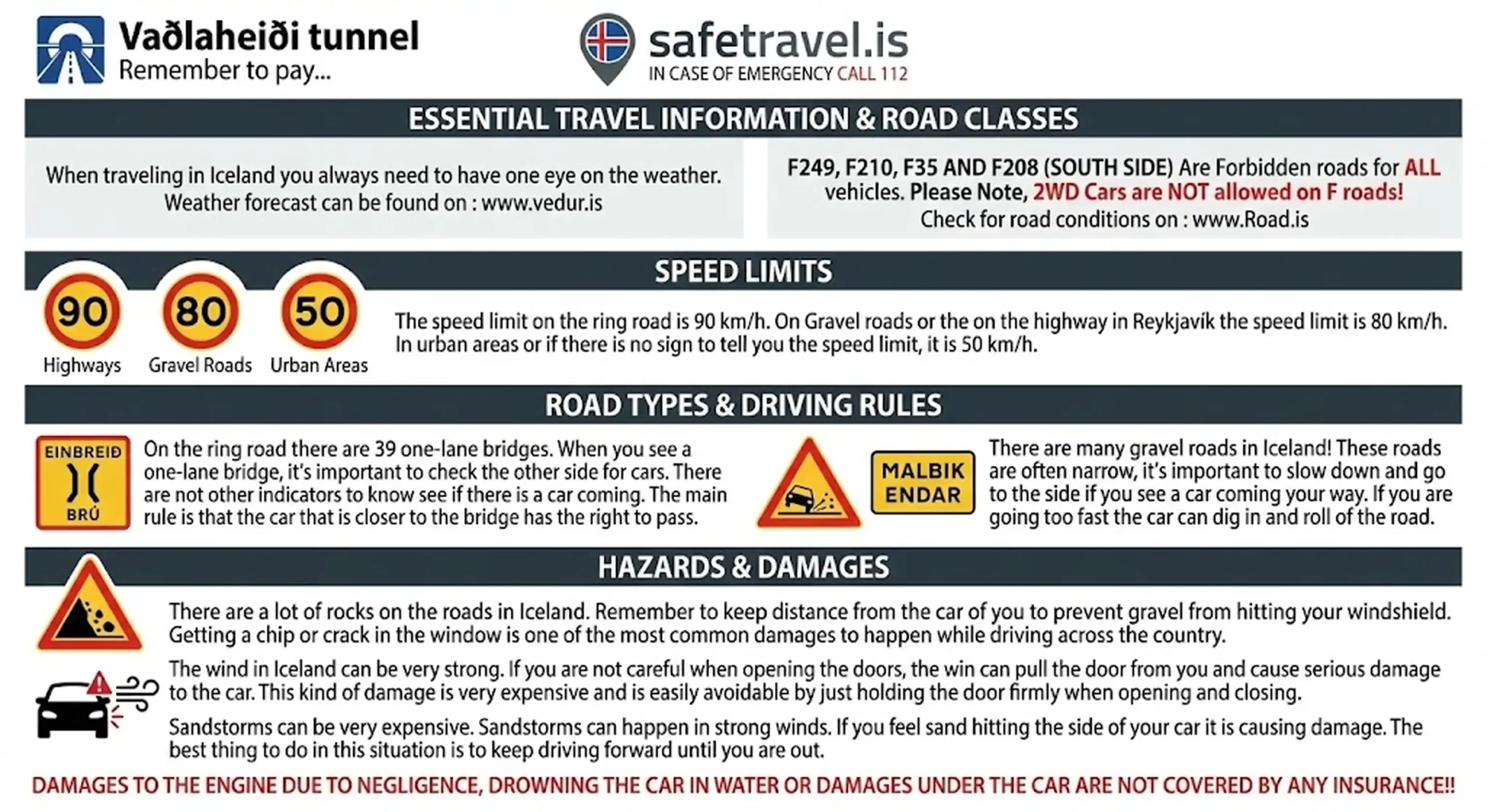
Planning your trip to Iceland? Here are some helpful tools and apps to make your journey smooth and enjoyable. From parking solutions to staying updated on road conditions, these resources will keep you informed and prepared.
Weather is one of the most important tools to have when traveling around Iceland. Although the weather is unpredictable you can get a close idea of what will happen. Vedur.is is a key tool for weather forecast, temperature, wind conditions and much more.
Find out if roads are open or close. Get live updates and live webcams of most of the roads all over the island.
The Safe Travel app provides real-time updates on weather, road conditions, and emergency alerts in Iceland. It’s essential for planning a safe and smooth trip..
Find all the campsite locations around Iceland. Check out the map we put together with additional information and pricing.
Some parking areas and tunnels in Iceland require online payment only.
Use the Parka app for paid parking in towns and popular areas, especially in Reykjavik:
In North Iceland, the Vaðlaheiðargöng tunnel near Akureyri is a toll road and must be paid online:
There are no payment booths on site, so pay online to avoid extra charges.
Yes. Most campervans in Iceland are equipped with a diesel stationary heating system, which works independently of the engine and can be used overnight. This type of heater is designed for Icelandic conditions and provides reliable warmth even in cold weather.
Some campervans also include an electric heating device. However, electric heaters only work when the campervan is plugged into campsite electricity (shore power). They cannot be used when camping without an electrical hookup.
For flexibility and comfort, diesel heating is the most practical option for traveling Iceland, while electric heaters are a useful supplement when staying at campsites with power connections.
Absolutely! We are very proud of our delicious water. Fill up your water bottles at any water tap you come along but do not drink the warm water. Check our Blog for more information:
Just send us an email at [email protected] and we will assist you right away.
Before you set off, understand Iceland’s road conditions, weather variability, and camping regulations. Roads outside the Ring Road can be gravel, narrow, and slow. Always check road status on Road.is, weather on Vedur.is, and plan daily distances realistically. Pack warm layers, rain gear, and emergency supplies since conditions can change rapidly.
A 4x4 campervan is highly recommended if you plan to travel outside paved roads or visit the Highlands. Although the Ring Road and many main tourist routes are accessible with a 2WD van, a 4x4 increases safety and gives access to more scenic routes. If you plan on F-road travel, a 4x4 is required by law.
Wild camping is generally not allowed in Iceland on uncultivated land. You should stay at designated campsites that provide facilities and maintain the environment. Some landowners allow wild camping with permission, but always check local rules and respect signs that prohibit camping.
A comfortable daily driving range for campervan travel is 100–200 km (60–125 miles) depending on road conditions and stops. Iceland’s scenic attractions encourage many photo stops and short walks, so plan shorter daily distances to avoid fatigue and enjoy the experience.
Summer (June–August) is the most popular season because of long daylight hours, warmer temperatures, and full access to roads and campsites. Late spring and early autumn offer fewer crowds but more variable weather. Winter travel is possible with proper preparation but requires caution due to snow and ice.
Yes. You must always:
Stay on marked roads
Obey speed limits: 90 km/h on paved roads, 80 km/h on gravel
Avoid driving on closed or restricted roads
Park only in designated areas and campsites
Off-road driving is illegal and fines are steep.
Most campsites offer:
Toilets and showers
Drinking water
Dump stations
Electricity hookups (at many, not all)
Laundry facilities (some larger sites)
Prices vary, but campsites are generally affordable.
Most campervans come with 12V sockets and a leisure battery.
At campsites with hookups, you can often plug into 220V mains power.
Yes — with caveats. Winter campervan travel is possible, but you need:
A well-insulated van
Winter tires (often mandatory)
Experience driving in snow and ice
Some roads, especially in the Highlands, are closed in winter. Always plan around official road openings and weather.
Fuel stations are common along the Ring Road and in towns, but they can be rare in remote areas. Fill up when you reach a town rather than waiting until the tank is low. Many accept card payment 24/7.
Underestimating weather changes
Trying to drive too far in one day
Not checking road conditions
Ignoring campsite reservations in high demand season.
Skipping waste disposal rules
Avoiding these pitfalls will make your trip smoother.