


Is Iceland Safe for Campervan Travel? A Complete 2025 Safety Guide
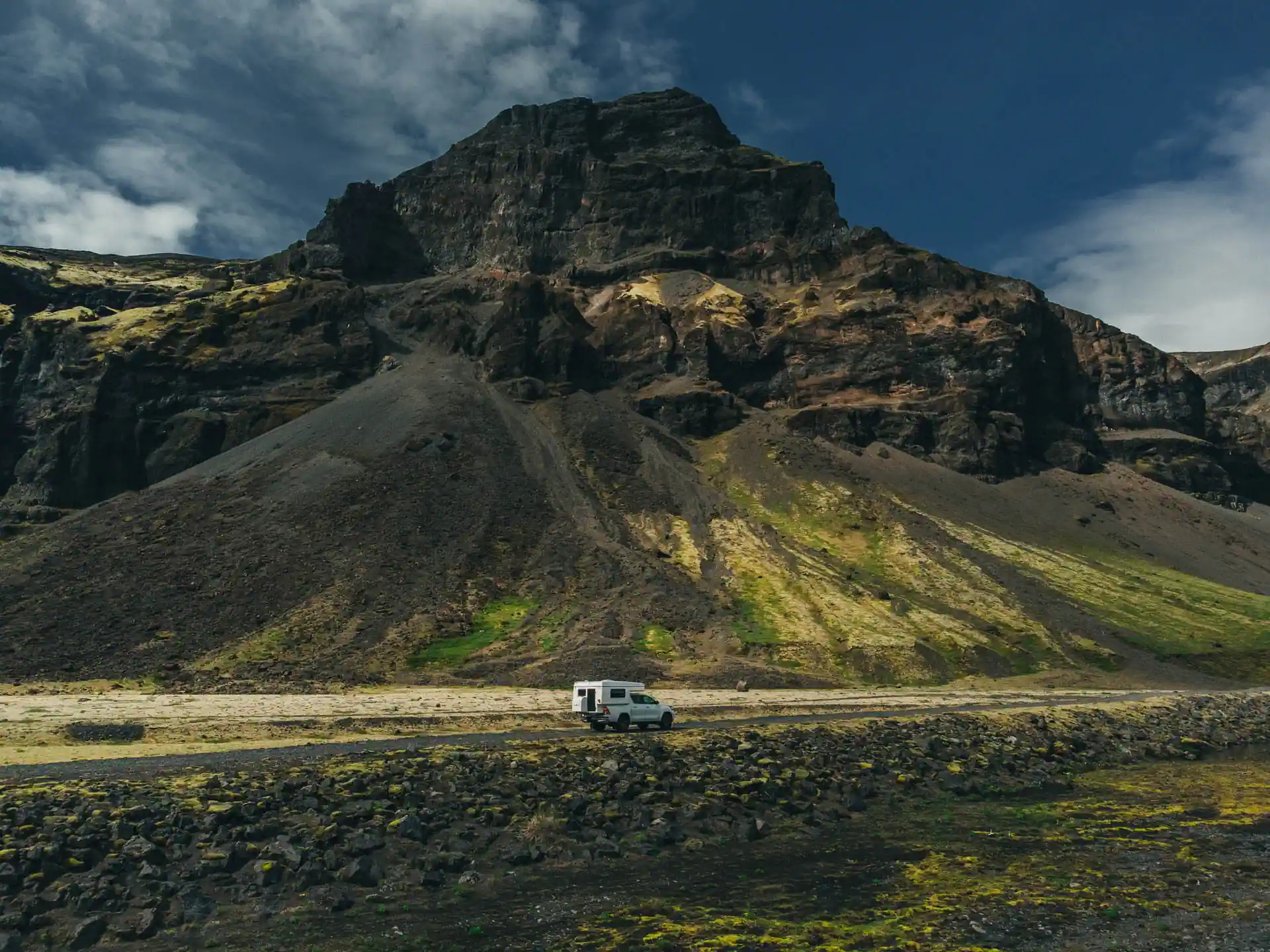
If you are planning a road trip, you may naturally wonder whether is Iceland safe for campervan travel. Many travelers worry about theft, personal safety, or the idea of sleeping overnight in a vehicle. Fortunately, Iceland is one of the safest destinations in the world, and campervan travelers experience that safety every single day.
Why Iceland Is Safe for Campervan Travel
Iceland ranks among the safest countries in the world according to global peace indexes. Crime remains rare, and violent incidents are even rarer. Because the population is small and communities are close-knit, harmful behavior is socially unacceptable.
Another reassuring fact is that there have been no reports of campervan theft or robbery in over a decade. This record highlights how highly Icelanders value honesty and trust. Therefore, visitors can travel confidently while exploring both popular and remote regions.
Crime, Theft and Why Campervans Are Safe in Iceland
When people ask whether is Iceland safe for campervan travel, they usually mean whether theft or break-ins are a concern. Fortunately, theft from vehicles is uncommon in Iceland. Locals frequently leave cars unlocked while running errands.
Why Theft From Campervans Rarely Happens
- Small population: Communities quickly notice unusual behavior.
- Strong cultural norms: Stealing is socially unacceptable.
- High trust: Campsites and public areas are respected.
- Easy vehicle identification: License plates make vehicles traceable.
Is Iceland Safe for Solo Visitors and Families?
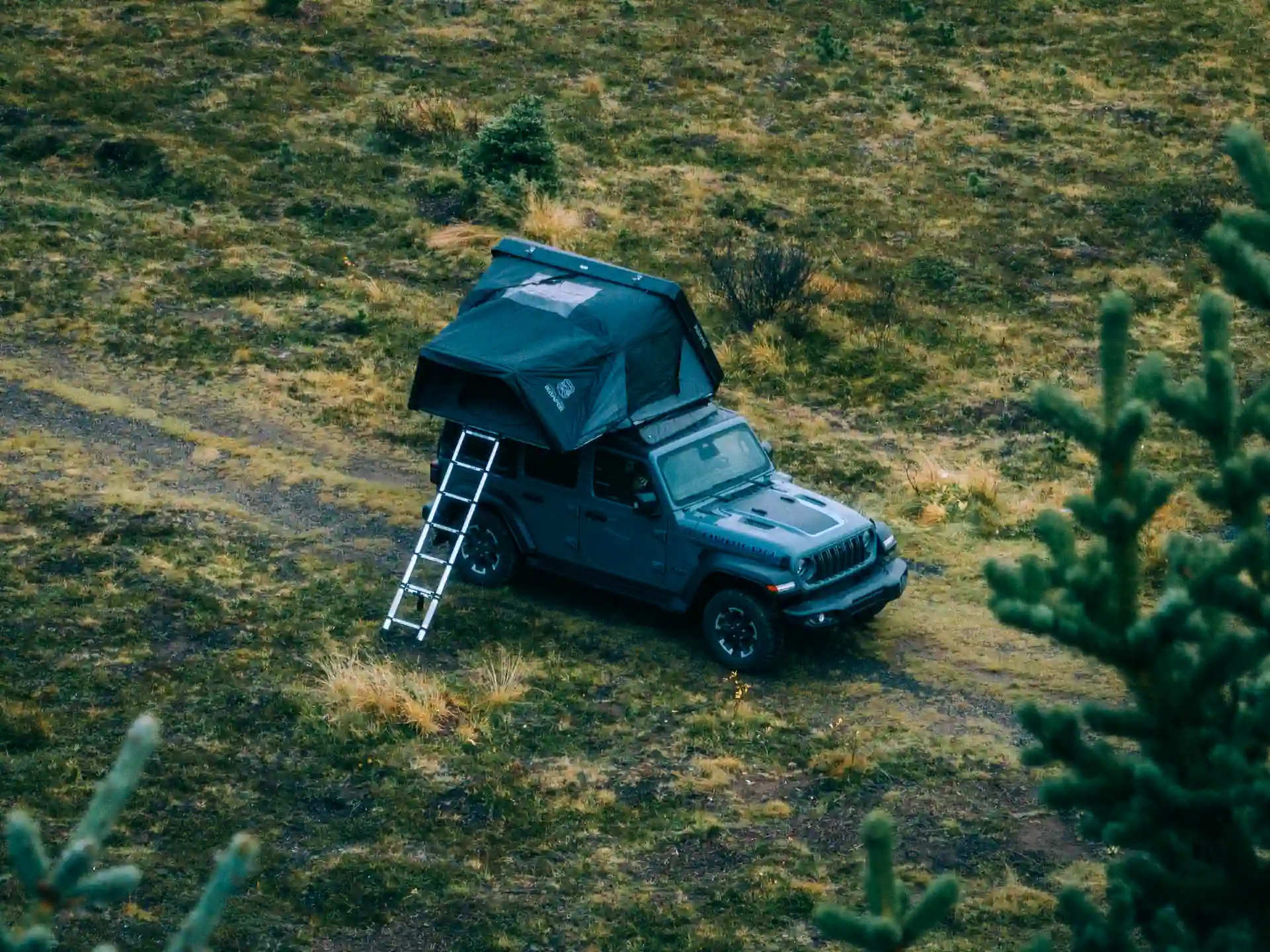
Solo travelers and families often choose campervans for flexibility and comfort. Iceland enhances those benefits thanks to peaceful campsites and helpful staff.
Solo Traveler Safety
Iceland is one of the easiest countries for independent road trips. You will meet other travelers at campsites and trailheads, creating a supportive atmosphere.
Family Campervan Travel Safety
Families appreciate Iceland’s calm environment. Campsites often have open areas where children can play safely while parents relax.
Practical Safety Tips
- Lock the campervan at night for peace of mind.
- Use official campsites as required by Icelandic law.
- Store valuables out of sight inside cabinets.
- Keep a charged phone and save the emergency number 112.
- Follow campsite advice regarding weather and roads.
Real Safety Risks in Iceland: Weather, Roads and Nature
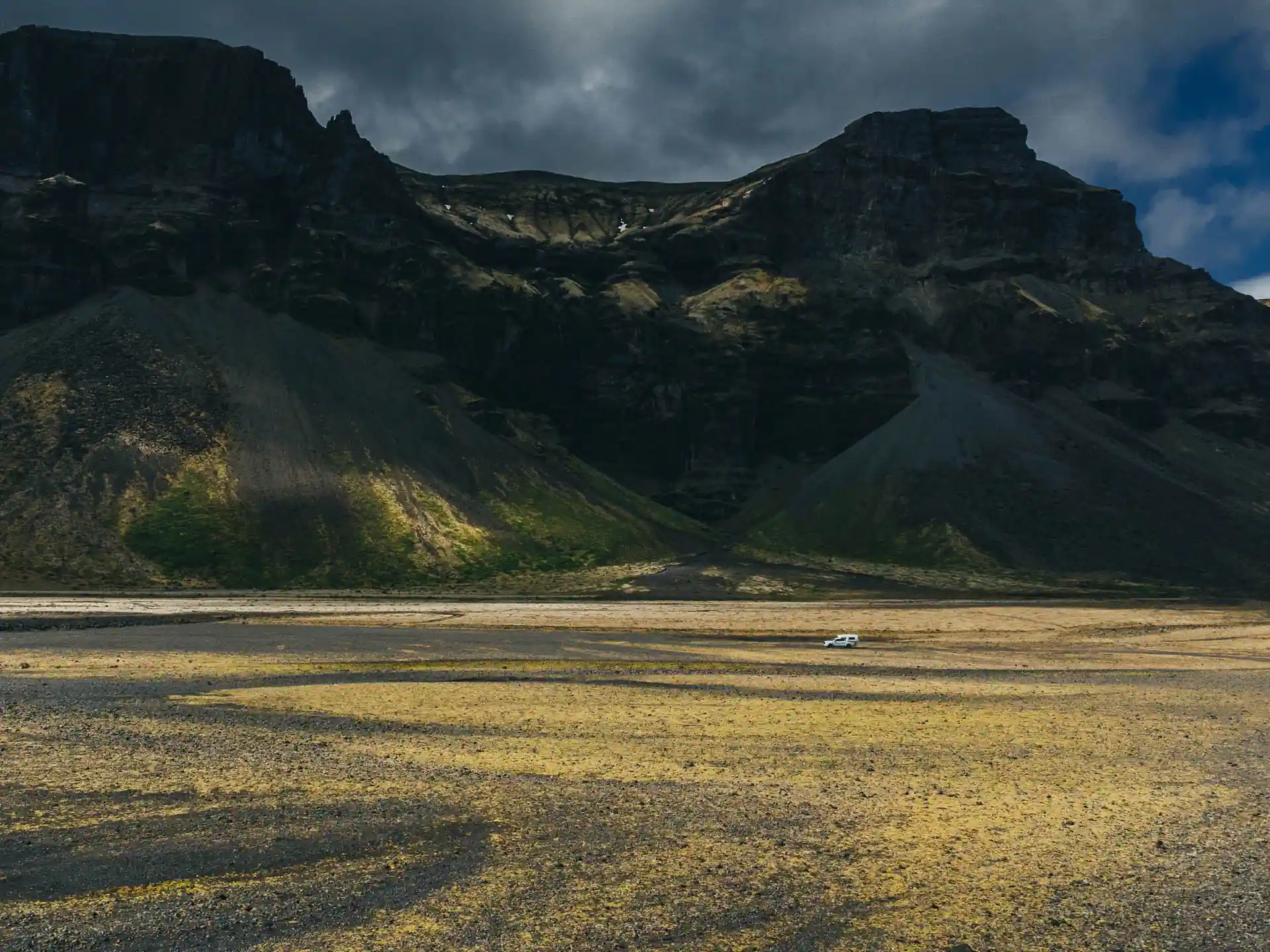
The real risks in Iceland come from nature, not people. Weather can change quickly, especially in winter or exposed regions.
Road and Weather Safety
- Reduce speed on gravel roads.
- Avoid strong wind alerts.
- Skip river crossings without proper experience.
- Plan shorter driving days in winter.
Natural Hazards
Respect warning signs near cliffs, glaciers and beaches like Reynisfjara, where waves can be unpredictable.
Are There Troubled People or Unsafe Situations in Iceland?
Such situations are extremely rare. Public intoxication is uncommon, and locals are generally respectful toward visitors.
Summary: Iceland Is Exceptionally Safe for Campervan Travel
Crime is low, theft is rare, and communities are welcoming. The real challenges are wind, waves and road conditions, not human threats.
Plan Your Campervan Trip With Full Confidence
North Star Rental provides campervans designed for Icelandic conditions, supported by 24-hour assistance.
View campervan rentals in Iceland
FAQ: Is Iceland Safe for Campervan Travel?
Is Iceland safe for campervan travel at night?
Yes. Campsites are peaceful and monitored.
Is it safe to leave valuables inside the campervan?
Yes, but keep them out of sight and lock doors.
Is wild camping safe in Iceland?
Wild camping is mostly illegal. Official campsites are safer.
What should I do in an emergency?
Call 112, Iceland’s national emergency number.