


Iceland Hot Springs Guide 2025 - 2026: Best Natural Hot Springs and Geothermal Pools
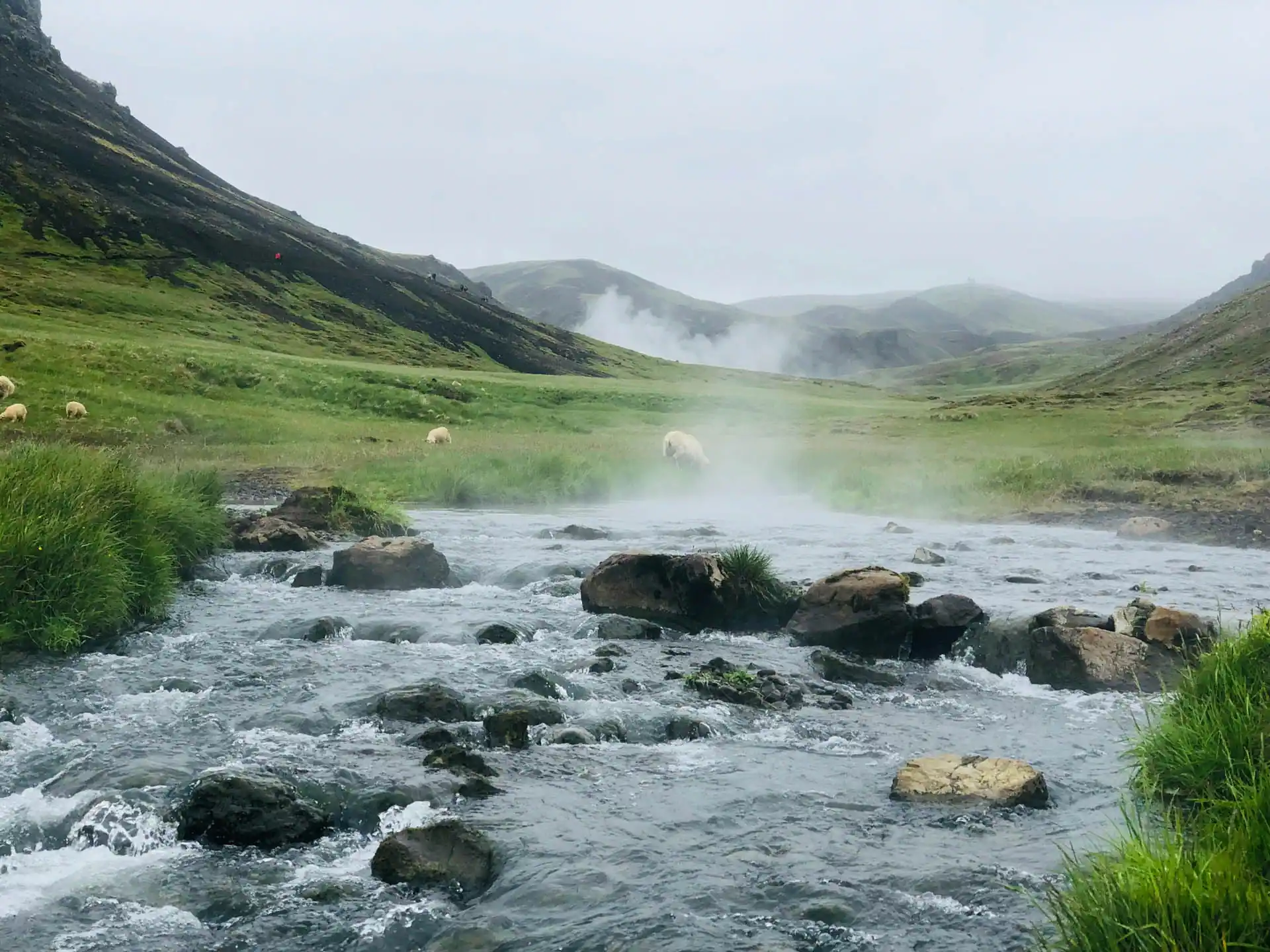
Simple, practical guide to iceland hot springs with a large interactive map, easy tips, and a short route idea for self drive and campervan trips.
Iceland hot springs are warm pools and spas powered by natural geothermal heat. This guide explains why Iceland has so many hot springs, shows you an interactive map, and groups the best places to soak into luxury lagoons and wild natural pools. It also covers etiquette, safety, and a three day route that fits well with a campervan trip
Iceland hot springs are one of the country’s most iconic experiences. Warm water, cool air, and quiet views can turn a normal driving day into one of the highlights of your trip. Because they are spread across the whole island, you can almost always add a pool or spa to your plan without a long detour.
If you travel by campervan, iceland hot springs work even better. Your van becomes your mobile changing room and your warm place to relax after an evening soak. You can look at the different van types on the North Star Rental campervan fleet page, then add hot spring stops on the days where you already plan to drive.
Why Iceland Has So Many Hot Springs
Iceland sits on the Mid Atlantic Ridge where two tectonic plates slowly move apart. Heat from deep in the earth rises closer to the surface than in most countries. As a result, groundwater warms up and comes back as hot springs, steam vents, and warm rivers.
For a long time, local people used this heat for daily life. They washed clothes, cooked food, and heated homes with geothermal water. Today, geothermal plants still provide hot water and much of Iceland’s electricity. When you relax in iceland hot springs you are not just doing a tourist activity. You are also taking part in an everyday habit that many Icelanders enjoy several times a week.
How to Plan Your Hot Spring Stops
Because there are so many options, it helps to make a simple plan before you start driving. The steps below keep things easy, especially if this is your first time in Iceland.
Decide between luxury lagoons and wild natural pools
First, decide what kind of experience you want. Luxury lagoons feel like modern wellness centers. Wild natural hot springs feel more like a small adventure.
- Luxury geothermal pools and spas: These have full changing rooms, showers, staff, drinks, and often restaurants. They are ideal for the start or end of a long travel day.
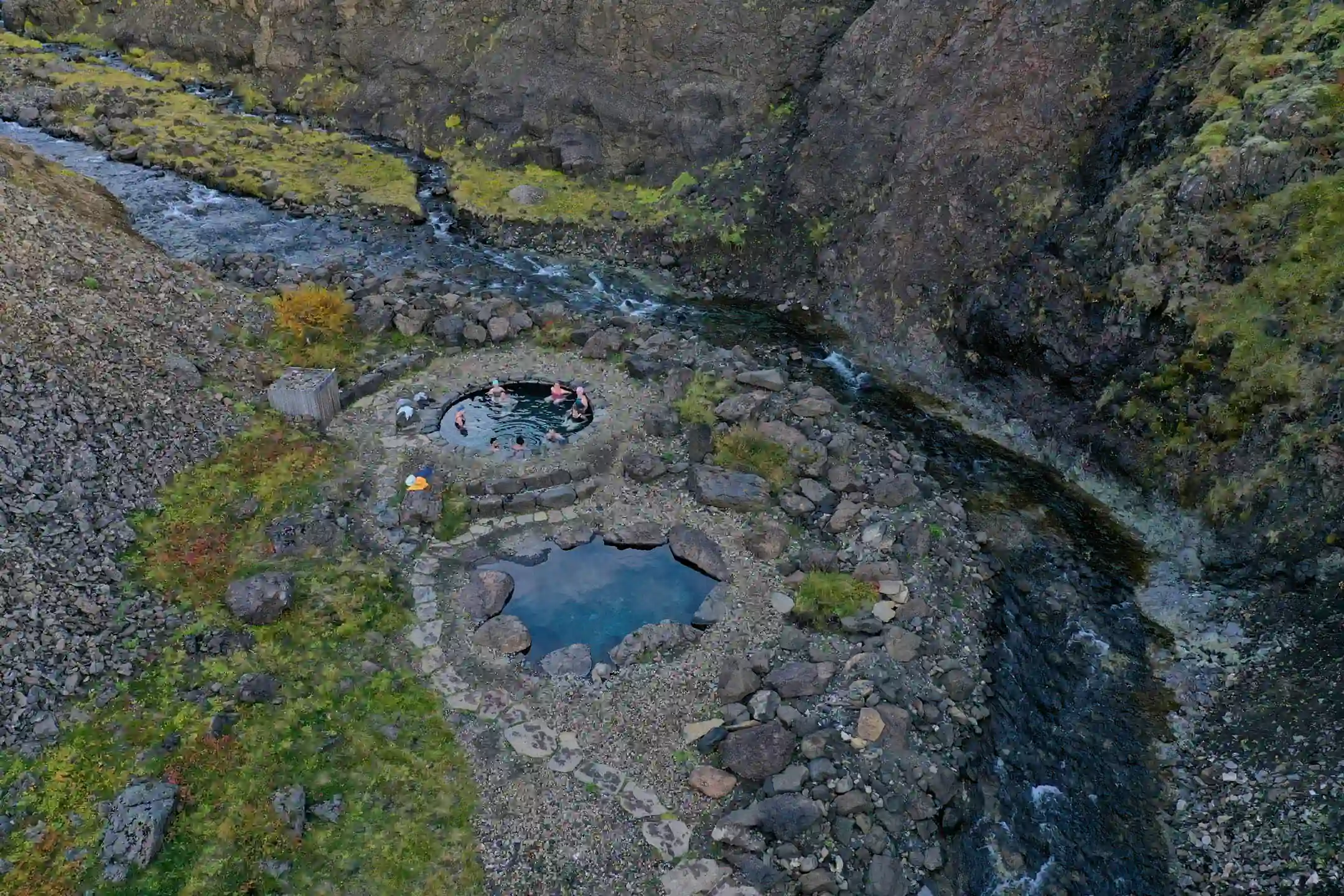
- Natural iceland hot springs: These are often free and set in open nature. They may be a stone basin beside a stream or a warm river in a valley. However, they have few or no facilities, so you must bring what you need and take more care with safety.
Match hot spring stops to your route
Next, look at the rough route of your trip. Many of the best iceland hot springs sit close to the Ring Road or to well used side roads. Others sit on gravel tracks. In summer, both types are usually possible for most drivers. In winter it is safer to focus on pools near main roads and in larger towns.
Before you leave each day, it is wise to check the official road information on road.is. In addition, for hiking routes to hot springs you can look at the safety advice on SafeTravel Iceland.
Plan around your energy and the weather
Some hot springs are easy to reach and only need a short walk from the parking area. Others, such as Reykjadalur hot river, need around one hour of hiking each way. On days when you also plan long drives and sightseeing, choose a pool that is simple to reach. You can always keep a flexible evening later in the trip for a longer hike if the weather is calm and clear.
Interactive Iceland Hot Springs Map
The map below shows a mix of famous spas and natural iceland hot springs around the country. You can zoom in, tap each pin for details, and save the map to your own Google account. This helps you add hot spring stops to a campervan route or a normal rental car itinerary without much effort.
Open this Iceland hot springs map in full screen
Best Iceland Hot Springs to Visit in 2025
To make choices easier, this section groups the best hot springs by experience. First come the comfortable lagoons and spas. After that you will find a list of wild and natural pools that are popular with self drive travelers.
Luxury lagoons and geothermal spas
These iceland hot springs are ideal if you like comfort, clear rules, and full facilities. They are also a safe choice in winter when roads and paths can be icy.
- Blue Lagoon: The most famous spa in Iceland, close to Keflavík airport. It has bright blue water rich in silica, modern changing rooms, and several restaurants. Booking in advance is essential.
- Sky Lagoon: An oceanside lagoon near Reykjavík with an infinity edge pool. It offers a simple seven step ritual that includes steam, cold water, and sauna.
- Hvammsvík Hot Springs: A newer spa in West Iceland that blends several pools with the tides of the fjord. The surroundings feel natural but you still have staff and facilities on site.
- Secret Lagoon (Gamla Laugin): A historic hot spring in the village of Flúðir on the Golden Circle. Steam vents and simple buildings give it a traditional feel.
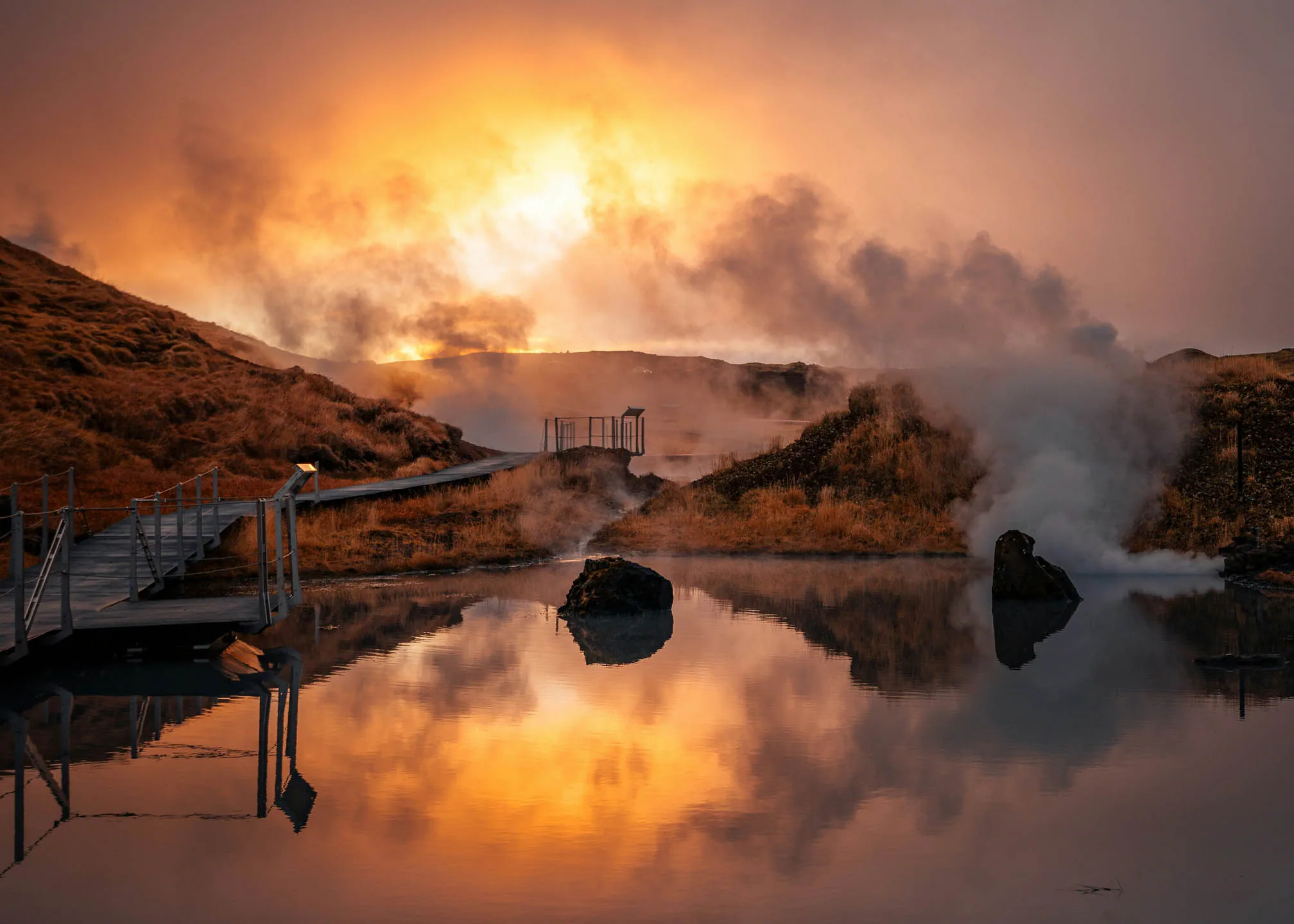
- Mývatn Nature Baths: A large lagoon near Lake Mývatn in North Iceland. It is often described as a northern alternative to the Blue Lagoon and has wide volcanic views.
- Forest Lagoon: A geothermal spa outside Akureyri with pools among trees and views toward the fjord. It works well as an evening stop on a northern route.
- GeoSea: A warm seawater spa in Húsavík. The pools look out over the bay and distant mountains, so on clear evenings the view from the water is hard to beat.
- Vök Baths: Floating geothermal pools on Lake Urriðavatn near Egilsstaðir in East Iceland. You can step directly into the lake to cool off before returning to the warm water.
Wild and natural hot springs
These iceland hot springs feel closer to nature. Many of them are free or ask for a small local fee. In return, you accept basic conditions and take more responsibility for your own safety.
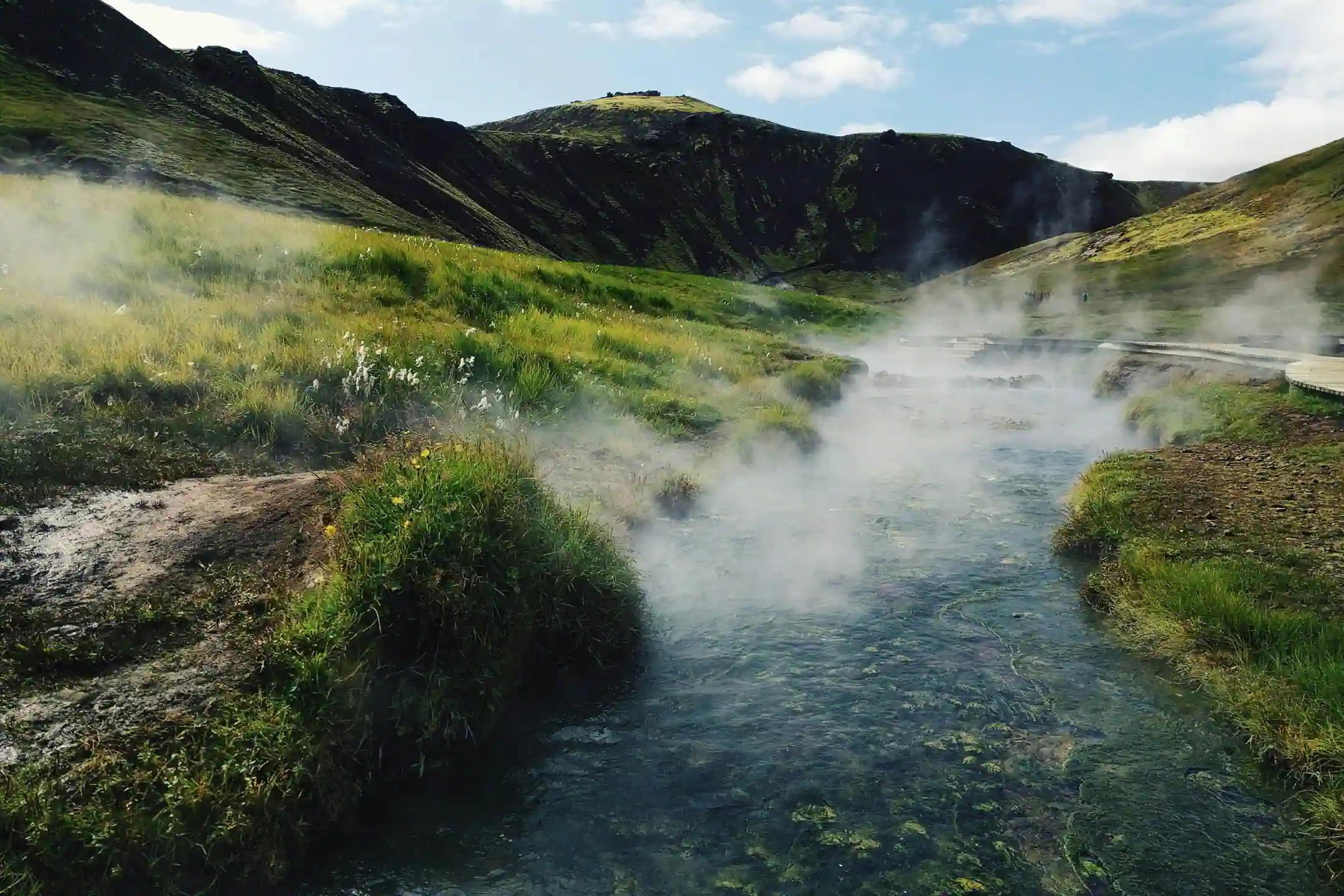
- Reykjadalur hot river: A warm river in a valley above Hveragerði in South Iceland. The walk takes about forty five minutes to one hour each way on a clear trail.
- Seljavallalaug: One of the oldest man made pools in Iceland, hidden in a steep valley on the South Coast. The water is warm rather than very hot, so it feels more like a gentle soak.
- Landbrotalaug: A tiny natural hot pot in West Iceland that only fits a few people at once. It can be busy, so early morning or late evening visits are often calmer.
- Hrunalaug: A small set of stone pools near Flúðir with a simple turf shelter. The setting is peaceful but it is now quite well known, so please follow all local rules.
- Guðrúnarlaug: A compact stone pool in West Iceland next to a turf style hut. It feels like a scene from a saga and makes a good short stop on a west Iceland route.
- Krossneslaug: A pool beside the sea in the remote Westfjords. On a calm day, soaking here feels like floating at the edge of the ocean.
Best Time of Year for Iceland Hot Springs
You can visit iceland hot springs all year, but the experience feels different in each season. The notes below help you match your plans to the weather and daylight.
Summer
From June to August, days are long and most trails are clear of snow. This is the best time for combining hikes with wild hot springs and for visiting remote parts of the country. Pools are busier in the middle of the day, so early and late visits are more peaceful.
Spring and autumn
In May, September, and early October there are fewer visitors at many pools. The air is cooler, which often makes the water feel even better. Some services reduce their hours at the edges of the season, so it is smart to check opening times in advance.
Winter
In winter, iceland hot springs can feel very special. Snow on the ground and warm water around you is a strong contrast. However, roads can be icy or closed and paths may be slippery. During this time it is safer to focus on developed pools that sit near main roads and towns, and to check road.is plus SafeTravel Iceland before each drive.
Etiquette, Safety and Packing List
Good behaviour at iceland hot springs keeps them pleasant for everyone and protects the environment. These points answer the most common questions visitors have.
Shower rules and the naked shower custom
In Iceland, people are relaxed about bodies but very serious about hygiene. Because most pools use low chlorine levels, you must shower with soap and rinse properly before you put on your swimsuit and enter the water.
- In public pools and spas you usually shower without your swimsuit, then put it on after you wash.
- Staff or local swimmers may remind you about the rules if you try to shower in your swimsuit without washing first.
- Do not enter the pool with visible dirt, sunscreen, or make up on your skin. Always rinse and wash before you go in.
Respect for natural hot springs
- Never use soap, shampoo, or other products in natural pools. These can harm plants and wildlife.
- Stay on paths where they exist and avoid walking on moss, which takes a long time to recover.
- Take all rubbish with you. Many natural pools do not have bins or staff.
- Keep your voice low if other people are using the pool. Many visitors come for quiet and calm.
What to pack for hot spring days
- Swimsuit and a quick drying towel.
- Flip flops or sandals for walking between buildings and pools.
- A dry bag or plastic bag for wet clothes in your vehicle.
- Warm layers to wear after you leave the water.
- A small headlamp in winter if you visit hot springs in the dark.
Sample Three Day Iceland Hot Springs Route
This short route works well if you start and finish in Reykjavík. You can also attach it to the beginning of a longer Ring Road trip. Each day includes driving, sightseeing, and at least one soak.
| Day | Area | Hot springs | Notes |
|---|---|---|---|
| 1 | Reykjanes and Reykjavík | Blue Lagoon or Sky Lagoon | Pick up your campervan, drive to a lagoon near the airport or city, and wash off the flight. Stay in Reykjavík or at a nearby campsite. |
| 2 | Golden Circle | Secret Lagoon or Laugarvatn Fontana | Visit Þingvellir, Geysir, and Gullfoss, then end the day in warm water before returning to Reykjavík or staying on route. |
| 3 | Hveragerði area | Reykjadalur hot river | Drive to Hveragerði and hike to the hot river on a clear day. After your soak, walk back down and decide whether to continue along the South Coast or return to Reykjavík. |
If you travel by campervan, it is easy to extend this plan. After day three you can drive toward the South Coast for waterfalls and black sand beaches, or toward the north for Mývatn Nature Baths, Forest Lagoon, and more iceland hot springs. Just make sure that your route, driving distances, and pool choices fit the season and your experience level.
Iceland Hot Springs FAQ
Do I need to book Iceland hot springs in advance
Large geothermal spas like Blue Lagoon, Sky Lagoon, and some newer lagoons usually require advance booking, especially in summer and in the evening. Smaller public pools often accept walk in visitors. Natural iceland hot springs do not need booking, but car parks or landowners may set local rules, so always read the signs at the site.
Are natural hot springs in Iceland safe to use
Most well known natural pools are safe if you use common sense. Always test the water temperature with your hand or foot before you get in. Avoid unstable ground and never dive head first, because the depth can change very quickly.
Can I visit Iceland hot springs in winter
Yes. Many developed pools stay open all year and can feel magical with snow on the ground. However, some remote natural pools are hard or unsafe to reach when roads are icy or closed. In winter it is better to focus on pools near main roads and to check road and weather information each day.
Do natural hot springs have changing rooms and showers
Most natural iceland hot springs do not have changing rooms or showers. You usually change in your vehicle or behind a simple shelter if there is one. For this reason it is important to bring your own towel, swimsuit, and warm dry clothes.
Can I camp next to a hot spring in Iceland
Camping right next to a hot spring is usually not allowed and can damage the area. Instead, use official campsites in nearby towns or valleys, then drive to the hot spring for a visit. This keeps nature cleaner and reduces pressure on popular locations.
Is a campervan a good way to visit Iceland hot springs
A campervan is one of the most flexible ways to visit iceland hot springs. You can end long driving days with a soak and always have a warm place to change and rest. You still need to stay at legal campsites and follow local parking rules at every pool and spa.