


Iceland Campervan Winter: The Complete Honest Guide
Northern Lights, frozen waterfalls, quiet roads, real heating advice, and the practical safety details nobody should ignore before booking.
Iceland campervan winter travel can be one of the most unforgettable ways to explore Iceland, but it is not the same as a summer campervan trip. Winter brings Northern Lights, snow-covered waterfalls, quieter roads, and lower seasonal prices. However, it also brings short daylight, icy roads, strong wind, limited campsites, and the need for reliable heating. This honest guide explains how to plan a winter campervan trip in Iceland safely, what to expect from the Trafic 3 campervan, and when you should choose a different vehicle or wait for better conditions.
Important honesty note: North Star Rental's Trafic 3 is a 2WD campervan. It can be a good winter option for flexible travelers who stay on main roads, check conditions daily, and avoid storms. It is not suitable for F-roads, Highland roads, severe weather, risky mountain passes, or remote winter routes where a 4x4 is needed.
Planning a winter campervan rental in Iceland? Trafic 3 includes a Webasto diesel heater, tested heating runtime up to 30 hours, 1 kWh onboard power, warm bedding for three, Nespresso coffee, and real human support from North Star Rental.
Is an Iceland Campervan Winter Trip Worth It?
Yes, an Iceland campervan winter trip can absolutely be worth it. However, it is only worth it if you are realistic about the conditions. Winter Iceland is beautiful, but it is also demanding. As a result, the best winter campervan travelers are flexible, patient, and willing to change plans when the weather says no.
Why Winter Iceland Feels So Special
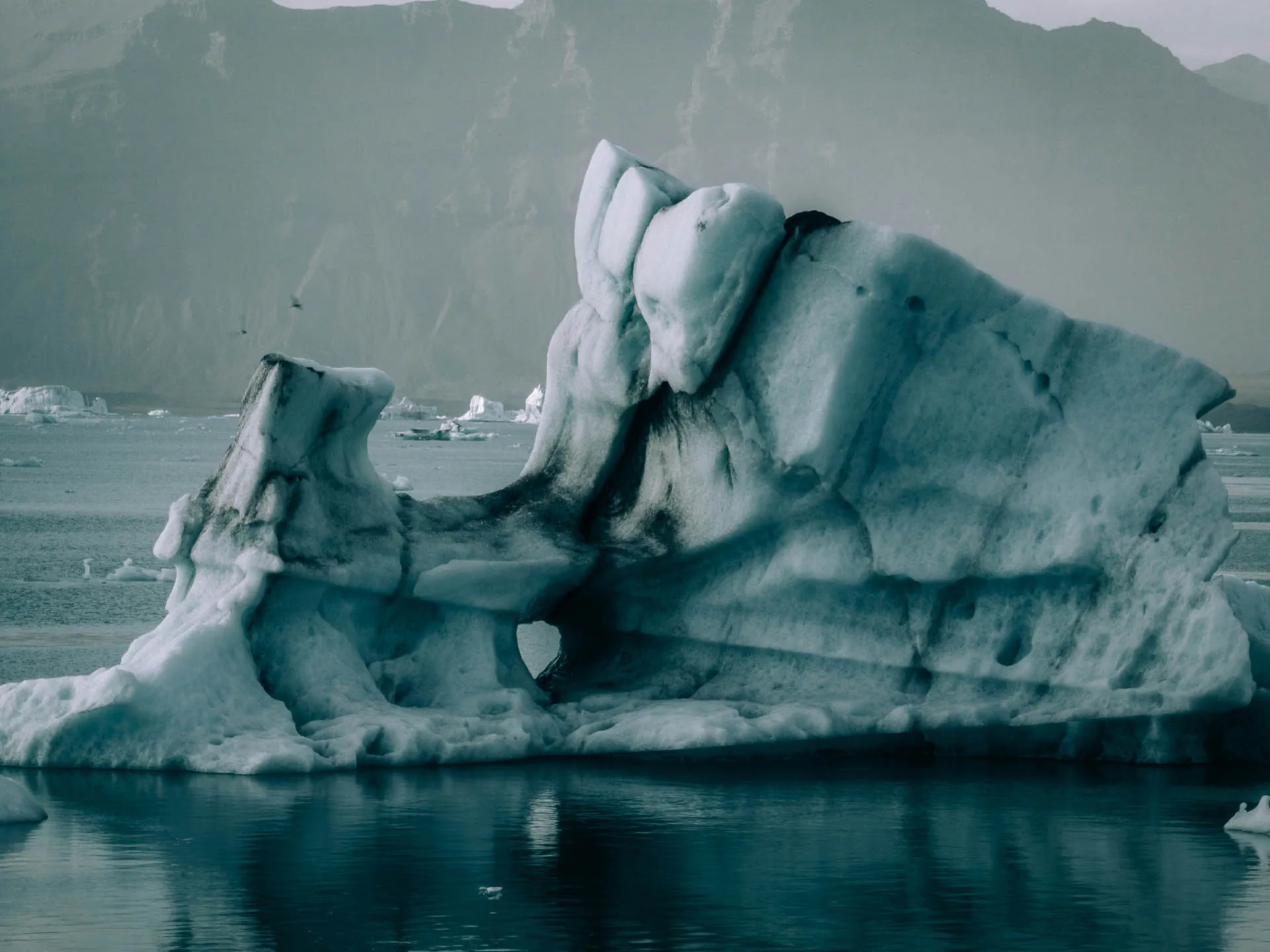
During winter, Iceland becomes quieter, darker, and more dramatic. Popular places such as Seljalandsfoss, Skógafoss, Reynisfjara, and Jökulsárlón feel completely different compared with summer. In addition, the long nights give you a real chance to see the Northern Lights if skies are clear.
Northern Lights
Winter darkness gives you the best chance to see aurora borealis during your campervan trip.
Snow Landscapes
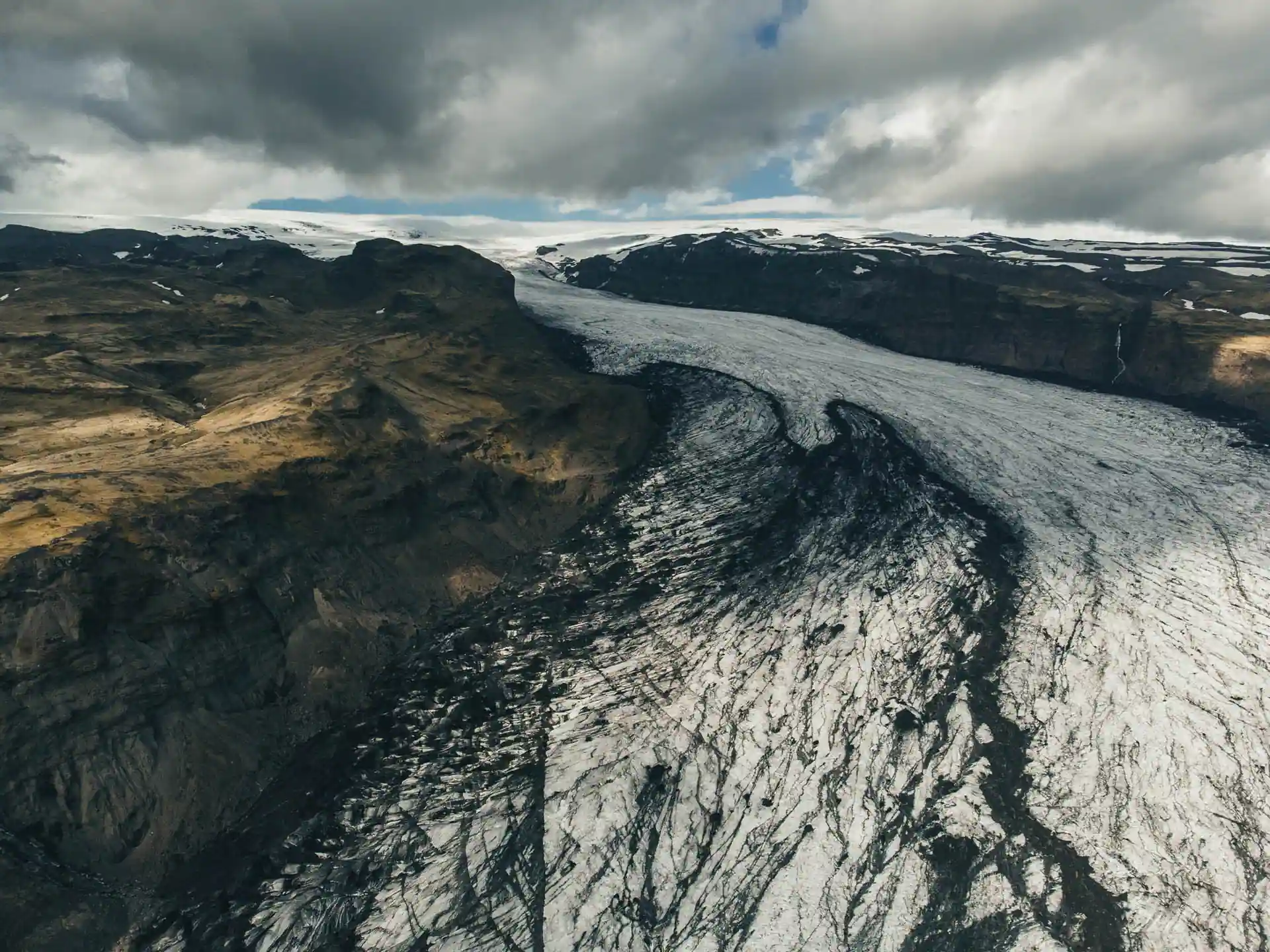
Waterfalls, black sand beaches, glaciers, and mountains become more dramatic in winter conditions.
Flexible Travel
A campervan lets you move with the weather, chase clear skies, and adjust your route day by day.
Lower Season Prices
Winter campervan rental can be more affordable than peak summer, depending on dates and vehicle type.
Who Should Think Twice Before Booking
Winter campervan travel is not ideal for everyone. For example, if you are nervous driving on snow or ice, if you need a fixed itinerary every day, or if you want to cover the whole country quickly, winter may feel stressful. In that case, a hotel-based trip or a summer campervan trip may be better.
Iceland Campervan Winter and Trafic 3: Is It the Right Choice?
The Trafic 3 is registered with North Star Rental as our campervan for three people. It is designed for comfort, power, and practical road trips on Iceland's main routes. Therefore, it can be a strong winter option for travelers who want warmth, onboard electricity, and a comfortable sleeping setup without moving into a larger camper.
Where Trafic 3 Works Best in Winter
In winter, Trafic 3 is best suited to flexible routes around the South Coast, Reykjanes Peninsula, Reykjavík area, and the Golden Circle when road conditions are safe. These routes usually stay more accessible than remote mountain roads. Still, every winter day is different, so road.is and vedur.is should guide your final decisions.
- Good for South Coast routes in safe conditions
- Good for Reykjanes and Reykjavík area trips
- Good for Golden Circle routes when roads are open and weather is calm
- Good for travelers who are flexible with daily plans
- Not for Highlands, F-roads, river crossings, or severe winter storms
Why Trafic 3 Is Different From a Basic Campervan
The main advantage is not just the bed. The advantage is the full travel setup. Trafic 3 includes a Webasto diesel heater, roughly 1 kWh of onboard power, warm bedding for three, a sink with running water, kitchen equipment, Nespresso coffee, and charging support for phones, cameras, laptops, drones, and many CPAP setups.
North Star Rental note: During pickup, we explain how to use the heater, power system, road condition websites, tunnel and parking payments, and basic Iceland winter driving precautions. This handover is important, especially if it is your first campervan trip in Iceland.
Best Months for an Iceland Campervan Winter Trip
The best month for an Iceland campervan winter trip depends on what matters most to you. For example, December gives you very long nights, but daylight is extremely limited. March gives you better daylight and still offers Northern Lights chances. Therefore, many travelers find February and March the best balance.
Month-by-Month Winter Breakdown
Early winter. Aurora possible. Weather can change quickly.
Very short daylight. Beautiful but more demanding.
Strong winter feeling. Long nights. Roads can be difficult.
Good balance of darkness, snow, and improving daylight.
Best overall balance. More daylight and aurora still possible.
Spring transition. Easier driving, but less darkness for aurora.
Best overall recommendation: For most first-time winter campervan travelers in Iceland, March is often the easiest winter-style month. You still get dramatic landscapes, but you also get longer daylight and more manageable driving days.
Heating in an Iceland Campervan Winter: What You Need to Know
Heating is the most important comfort feature during an Iceland campervan winter trip. Without reliable heating, winter campervan travel quickly becomes uncomfortable and possibly unsafe. Because of that, you should always ask what type of heater the campervan has, how it is powered, and how long it can realistically run.
Webasto Diesel Heater in Trafic 3
Trafic 3 uses a Webasto diesel heater as the primary heating system. This is important because a diesel heater does not depend on campsite electricity. Instead, it can keep the sleeping area warm while you are parked overnight. In addition, Trafic 3 has a backup electric heater for use when you are plugged into campsite power.
Real Heating Runtime Figures
Based on our real-world testing, the heating system can support long overnight use when the onboard power system is properly charged. However, actual runtime depends on outside temperature, heater setting, fridge use, device charging, and how often doors are opened.
🔥 Tested Heating Runtime in Trafic 3
Cold temperatures can reduce battery performance. For winter travel, daily driving and smart charging habits matter.
Winter Sleeping Comfort
Trafic 3 includes three warm duvets, pillows, and bed linen. The sleeping setup is designed for Icelandic conditions, not just mild summer camping. Nevertheless, for December, January, and very cold nights, bringing a thermal base layer and possibly a sleeping bag liner can add extra comfort.
Practical heating tip: Use medium heat for steady overnight comfort instead of running full power all night. Medium setting is usually more efficient and gives longer runtime.
Iceland Campervan Winter Road Safety: The Honest Facts
Road safety is the biggest difference between summer and winter campervan travel in Iceland. In summer, the main issues are wind, gravel, sheep, and long driving days. In winter, you also need to think about black ice, snow, reduced visibility, road closures, and fast-changing weather warnings.
Do You Need a 4x4 for Winter Iceland?
A 4x4 is the safer and more capable choice for many winter routes in Iceland. However, not every winter traveler needs to cover remote roads. A well-equipped 2WD campervan such as Trafic 3 can work for main-road routes in safe conditions, especially when the traveler is flexible and willing to stop if conditions become poor.
| Winter Route | Trafic 3 2WD | 4x4 | Honest Advice |
|---|---|---|---|
| Reykjavík and Reykjanes | Possible | Better | Good flexible route, but wind and ice still matter. |
| South Coast to Vík | Possible | Better | Best winter route for 2WD when conditions are safe. |
| Golden Circle | Possible | Better | Check road conditions carefully, especially after snow. |
| Jökulsárlón and Höfn | Condition-dependent | Recommended | Longer drive, more exposure, and weather changes matter. |
| Westfjords | Not recommended | Strongly recommended | Winter roads can be remote, steep, icy, and exposed. |
| Highland F-roads | Not allowed | Closed in winter | F-roads are not part of a winter campervan route. |
Daily Safety Routine Before Driving
Before driving each morning, check official road and weather sources. Then adjust your plan based on the conditions, not the other way around. If there is a warning, delay the drive. If wind is too strong, wait. If a road is marked difficult or closed, do not attempt it.
- Check road.is before every drive
- Check weather warnings at vedur.is
- Use SafeTravel.is for safety alerts and travel advice
- Download the 112 Iceland app before your trip
- Start driving later in winter mornings when roads have had time to be cleared
- Keep extra distance from other vehicles on icy roads
- Be careful when opening doors in wind
- Never drive off-road, even if snow makes the ground look flat
Critical winter rule: Never drive during dangerous weather warnings. In Iceland, waiting is often the safest and smartest decision. A good campervan trip is flexible, not forced.
Chasing Northern Lights During an Iceland Campervan Winter Trip
The Northern Lights are one of the main reasons travelers choose an Iceland campervan winter adventure. A campervan gives you freedom to move away from city lights, follow clear-sky forecasts, and wait in dark locations. However, the aurora is never guaranteed. You need darkness, clear sky, and solar activity.
Northern Lights Probability by Winter Month
Low-Med
Medium
Good
Best
Best
Good
How to Improve Your Aurora Chances
First, stay flexible. Then, check cloud cover and aurora forecasts each evening. Also, drive away from Reykjavík and other bright areas when conditions are safe. Finally, be patient because the lights may appear for only a few minutes or may build slowly over several hours.
- Choose dark areas away from Reykjavík light pollution
- Check aurora and cloud forecasts before leaving camp
- Park safely, never on the road shoulder in dangerous conditions
- Use warm clothing because you may wait outside for a long time
- Keep the campervan heater ready so you can warm up between photos
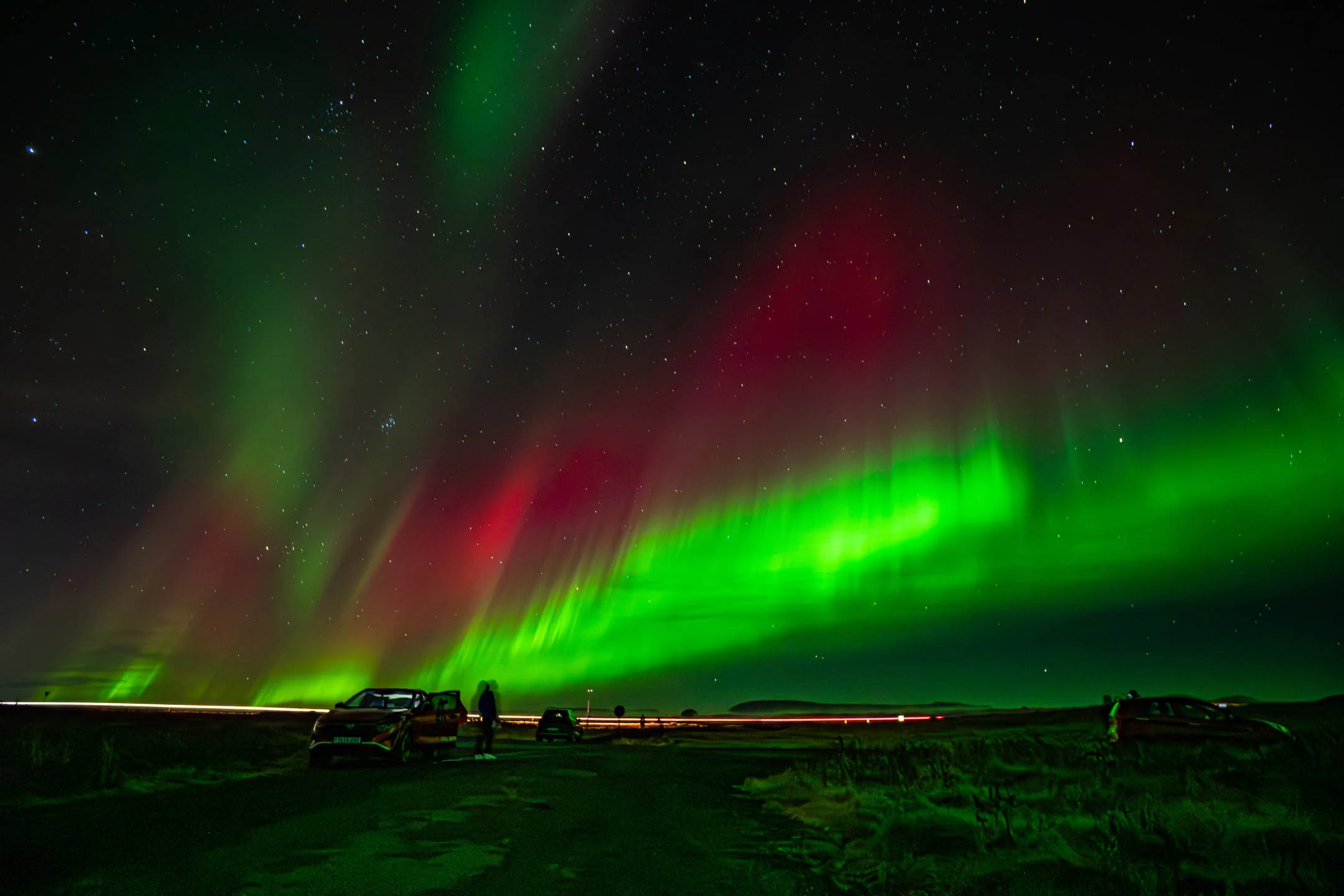
Chase the Northern Lights With Warmth and Power
Trafic 3 gives you Webasto heating, 1 kWh onboard power, warm bedding, and the freedom to wait for clear skies during your Iceland campervan winter trip.
Winter Campsites for an Iceland Campervan Winter Trip
Campsites are more limited in winter than in summer. Some close completely, while others stay open with reduced facilities. Therefore, you should never assume that a campsite is open just because it appears on a map. Always confirm directly before building your route around it.
What to Look for in a Winter Campsite
- Year-round or winter-confirmed opening
- Electric hookup if you want backup heating or easier charging
- Heated bathrooms or indoor facilities
- Safe access road in current conditions
- Sheltered parking if wind is strong
- Clear check-in instructions for late arrival
Winter Campsite Planning Table
| Area | Winter Use | Why It Matters | Action Before Arrival |
|---|---|---|---|
| Reykjavík area | Usually easier | Good first or last night option | Check opening and facilities |
| Reykjanes Peninsula | Useful for airport days | Good if flight arrival is late | Confirm access and check-in |
| South Coast | Route dependent | Important for Vík and glacier route planning | Call or email ahead |
| Jökulsárlón and Höfn area | Very useful | Long distance from Reykjavík | Confirm before leaving Vík |
| Westfjords | Not ideal for most 2WD winter trips | Remote and weather-sensitive | Use 4x4 planning and confirm everything |
Important: Winter campsite opening status can change. Always check the campsite's own website, contact the campsite directly, or ask us for route advice before departure.
Power Management During an Iceland Campervan Winter Trip
Power management is more important in winter than in summer. This is because cold temperatures can reduce battery performance, the heater runs longer, and there are fewer daylight hours. Fortunately, Trafic 3 has a strong onboard setup that makes winter use much easier than in a basic campervan.
The North Star Power System
Trafic 3 includes roughly 1 kWh of onboard power. In normal use, 1.5 to 2 hours of driving can recharge the system. As a result, a typical South Coast or Golden Circle travel day often gives enough driving time to prepare the van for the next night.
What You Can Charge in Winter
- Phones and tablets
- Laptops and camera equipment
- Drone batteries
- Power banks
- Many CPAP and BiPAP devices
- Nespresso coffee machine
- Small travel electronics
Winter Power Tips
In winter, charge devices while driving whenever possible. Also, avoid leaving several devices charging overnight while the heater and fridge are also running. If you use a CPAP machine, turn off the heated humidifier when possible because it uses much more power.
CPAP note: Trafic 3 is suitable for many CPAP users, but exact runtime depends on the device model, pressure setting, humidifier use, and other power consumption. Contact us with your CPAP model before booking if you want a more specific answer.
What to Pack for an Iceland Campervan Winter Trip
Packing correctly makes a huge difference during an Iceland campervan winter trip. The campervan provides heating, bedding, power, and a practical living setup. However, you still need personal winter clothing that can handle wind, rain, snow, and icy walking paths.
What Trafic 3 Already Includes
- Webasto diesel heater
- Backup electric heater for campsite hookup
- Three warm duvets, pillows, and bed linen
- Sink with running water
- Kitchen equipment
- Nespresso coffee machine
- Onboard power for devices
- 24/7 human support from North Star Rental
What You Should Bring
- Thermal base layers
- Waterproof jacket and waterproof trousers
- Warm mid-layer or puffer jacket
- Waterproof boots with good grip
- Hat, gloves, and neck warmer
- Ice grips or small crampons for walking paths
- Head torch for short daylight days
- Extra camera batteries
- Sleeping bag liner for extra comfort in colder months
- Reusable water bottle
Best Route Ideas for an Iceland Campervan Winter Trip
The best winter campervan route is not always the longest route. In fact, shorter and more flexible routes are usually better. This gives you time to wait out storms, enjoy clear weather, and avoid rushing on icy roads.
3 to 4 Days: Reykjavík, Reykjanes and Golden Circle
This route is good for travelers with limited time. Start around Reykjavík, visit Reykjanes if conditions are good, and then continue to the Golden Circle. Because distances are shorter, this route gives you more flexibility if the weather changes.
5 Days: South Coast to Vík
This is one of the best winter routes for a 2WD campervan when conditions are safe. You can visit Seljalandsfoss, Skógafoss, Reynisfjara, Dyrhólaey, and Vík without forcing long driving days. Moreover, you can adjust the trip if roads become difficult.
7 Days: South Coast to Jökulsárlón and Back
This is a stronger route for travelers who want glaciers, ice caves, Diamond Beach, and the full South Coast experience. However, it requires more careful weather planning because the distance from Reykjavík to Jökulsárlón is significant in winter.
Routes We Do Not Recommend for Trafic 3 in Winter
We do not recommend using Trafic 3 for winter Westfjords routes, remote East Iceland mountain passes, or any Highland area. These routes are better suited to 4x4 vehicles and experienced winter drivers.
Need help choosing a winter route? Send us your dates, arrival time, and main places you want to visit. We will tell you honestly if Trafic 3 is a good fit for your plan.
Why Book Your Iceland Campervan Winter Trip With North Star Rental?
Winter travel in Iceland is not only about the campervan. It is also about the support behind it. At North Star Rental, we focus on practical handover, honest route advice, and real human support before and during your rental.
Real Handover, Not Just Keys
When you collect the campervan, we explain how to use the heating, power system, water setup, campsite electricity, and vehicle equipment. Additionally, we explain important Iceland travel details such as road condition websites, weather warnings, parking payments, tunnel payments, and wind safety.
24/7 Human Support
If something comes up during your trip, you can contact real people from our team. This is especially important in winter because conditions can change quickly. Furthermore, we work with assistance and repair partners around Iceland when road support is needed.
Honest Vehicle Advice
We will not tell you that a 2WD campervan is perfect for every winter plan. It is not. However, for the right traveler, the right route, and safe conditions, Trafic 3 can be a comfortable and practical winter campervan option.
Frequently Asked Questions About Iceland Campervan Winter Travel
Is an Iceland campervan winter trip safe?
Yes, an Iceland campervan winter trip can be safe if you prepare properly, use a vehicle with reliable heating, check road and weather conditions daily, and avoid driving during dangerous weather. The safest travelers are flexible and willing to change plans when conditions are poor.
Is Trafic 3 good for winter campervan travel in Iceland?
Trafic 3 can be a good winter campervan for flexible main-road routes such as the South Coast, Reykjanes, Reykjavík area, and Golden Circle in safe conditions. It has Webasto heating, warm bedding, and strong onboard power. However, it is a 2WD campervan, so it is not suitable for F-roads, Highlands, severe storms, or remote winter routes where a 4x4 is needed.
Do I need a 4x4 campervan in Iceland in winter?
A 4x4 is recommended for many winter routes in Iceland, especially remote areas, mountain passes, the Westfjords, and difficult snow conditions. For main-road routes in safe conditions, a well-equipped 2WD campervan can work if the traveler is careful and flexible.
How long does the heater last in Trafic 3?
In our testing, the Webasto heater in Trafic 3 can run up to approximately 30 hours on medium setting and around 22 hours on full setting. Heating plus fridge use typically gives around 12 to 15 hours. Actual runtime depends on outside temperature, settings, fridge cycling, and device charging.
Can I see the Northern Lights from a campervan in Iceland?
Yes, a campervan can be excellent for Northern Lights hunting because it lets you move away from city lights and follow clearer skies. However, the Northern Lights are never guaranteed. You need darkness, clear skies, and solar activity.
Are campsites open in Iceland in winter?
Some campsites stay open in winter, but many close or operate with limited facilities. Always confirm directly with the campsite before arrival. Winter campsite planning is especially important on the South Coast and around glacier areas.
Can I run a CPAP machine in Trafic 3 during winter?
Yes, Trafic 3 can support many CPAP and BiPAP machines overnight thanks to its roughly 1 kWh onboard power system. For best results, turn off heated humidifier mode when possible and drive during the day to recharge. Contact North Star Rental with your exact CPAP model before booking for more specific advice.
What is the best month for an Iceland campervan winter trip?
February and March are often the best balance for an Iceland campervan winter trip. February gives strong winter landscapes and Northern Lights chances, while March offers longer daylight and still has winter atmosphere. December and January can be beautiful but are more demanding because of short daylight and difficult weather.
Can I drive the Trafic 3 on F-roads in winter?
No. Trafic 3 is a 2WD campervan and is not permitted on Icelandic F-roads. In winter, Highland F-roads are generally closed and should not be part of a campervan route.
Book Your Iceland Campervan Winter Adventure
Travel with Webasto heating, 1 kWh onboard power, warm bedding, Nespresso coffee, 24/7 human support, and honest route advice from North Star Rental.
North Star Rental · 24/7 Human Support · Winter Route Advice · Campervan Rental in Iceland