


Iceland Campervan Winter Itinerary: 7 Days Chasing Northern Lights on a Budget
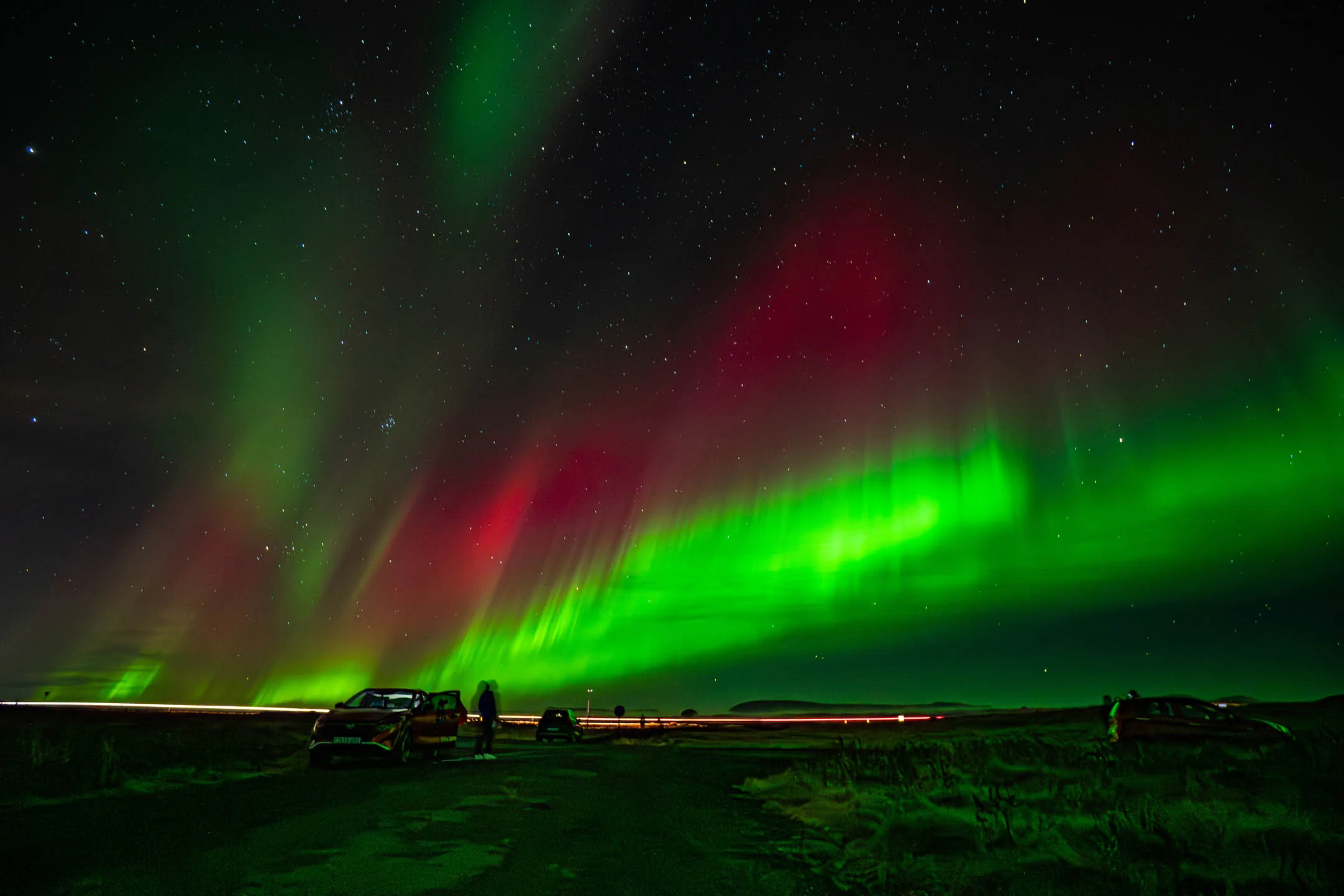
If you are planning a cold season road trip and searching for an Iceland campervan winter itinerary that works with real daylight hours, a realistic budget and Northern Lights chances, this guide is for you. Winter changes Iceland completely. Snow covers the mountains, ice fills the lagoons and the skies stay dark enough for auroras on many nights. With a well prepared campervan you can stay flexible, avoid hotel costs and park in places where the night sky feels close.
This 7 day route focuses on the South and Southwest regions so that you spend more time exploring and less time driving. It keeps daily distances reasonable, uses roads that are usually ploughed first and combines famous sights with quieter winter stops. The aim is simple, give you a practical plan for chasing the Northern Lights without spending more than you need.
Internal links: If you still need a vehicle for your Iceland campervan winter itinerary, compare options on our
Iceland campervan and 4x4 rentals page. You can also combine this winter plan with our
10 day Iceland Ring Road itinerary and our
guide to free things to do in Iceland for future trips.
Outbound links: Before driving each day, always check safety and conditions on
SafeTravel Iceland,
road.is for road closures and
Vedur.is for weather and aurora forecasts.
Why Winter Campervan Travel In Iceland Works So Well
Winter in Iceland usually runs from November to March. Daylight can be as short as four to seven hours, but that is still enough time to see frozen waterfalls, snowy peaks and steaming geothermal valleys. The long nights are what really help your Iceland campervan winter itinerary. Dark skies give you a real chance of seeing the Northern Lights on many clear evenings.
Travel costs fall in winter. Campervan rentals are often significantly cheaper than in summer, campsites are quieter and many natural sights are completely free. You trade busy hotel lobbies and crowded parking lots for a warm van, your own cooking space and the freedom to stop when the sky starts to glow.
Winter also changes how you experience Iceland. Popular places feel calmer. Snow softens the landscape and sound. Auroras can appear above beaches, glaciers or even your campsite. If you travel with patience and realistic expectations, this season can feel more personal than any summer visit.
Essential Tips For Your Iceland Campervan Winter Itinerary
Winter travel in Iceland is very rewarding but it does require more preparation than a summer road trip. The points below will help you keep your journey safe, comfortable and within budget.
1. Understand When You Can See The Northern Lights
The Northern Lights need two things, solar activity and dark skies. In Iceland that combination is possible roughly from late August to mid April. In the high summer months around June and early July it never gets fully dark, so it is effectively impossible to see the Northern Lights even if the aurora is active above the clouds.
For the route in this guide, the most reliable months are usually from late September to March. Aim for dates when nights are long but roads are still manageable. Always remember that the aurora is a natural phenomenon, so no one can guarantee a sighting on any specific night.
2. Choose A Winter Ready Campervan
- Look for a van with proper winter tyres and preferably studded tyres if allowed by your rental company.
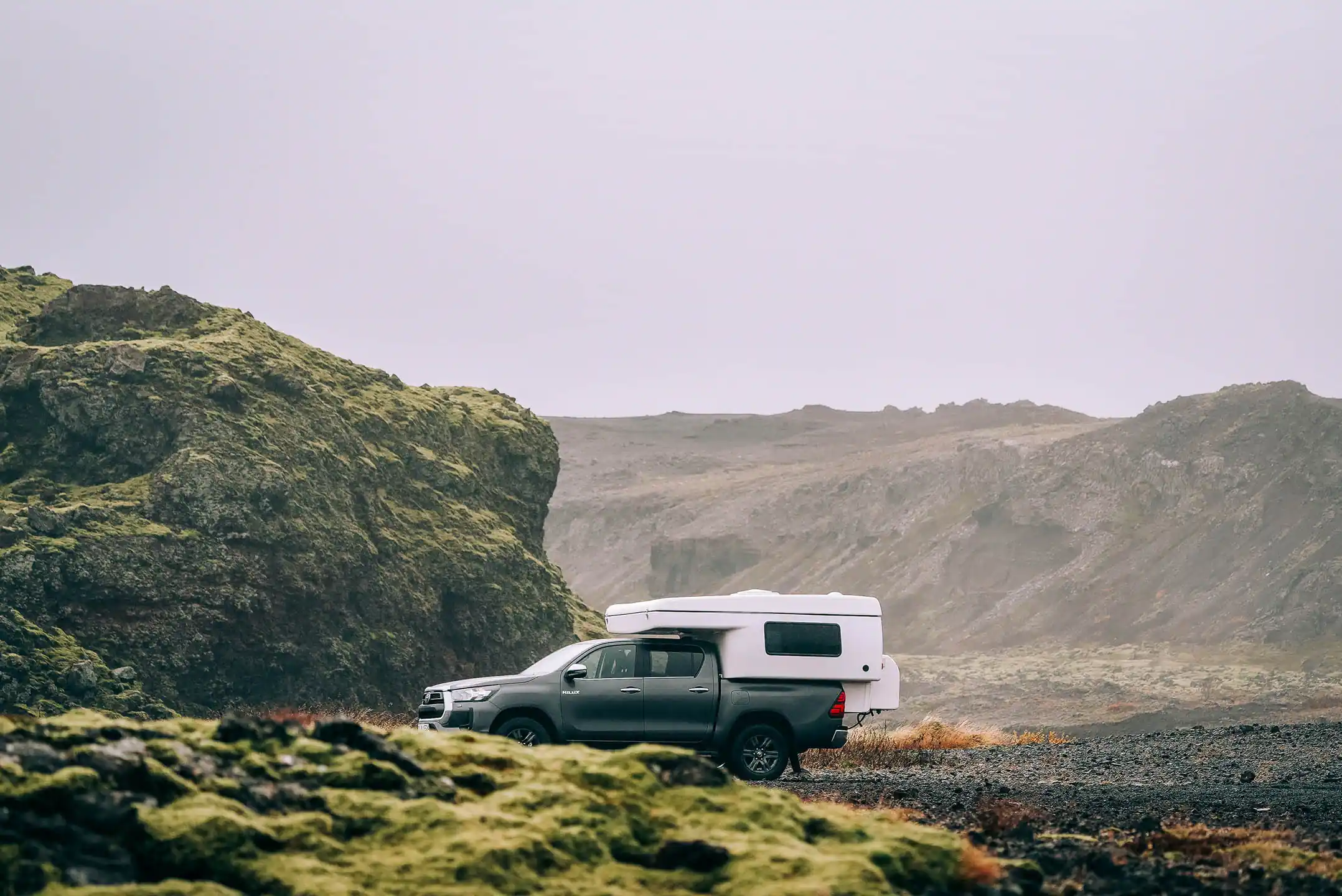
- A 4x4 campervan gives you more security on snow and ice, although careful driving is always the most important factor.
- Ask for an auxiliary heater that runs from a separate battery so you can keep the living area warm at night without idling the engine.
- Bring or rent extra blankets and a high quality sleeping bag for sub zero nights.
3. Pack For Short Days And Cold Nights
- Thermal base layers, a warm mid layer and a waterproof and windproof outer shell.
- Insulated boots with good grip, plus micro spikes for icy paths around waterfalls.
- Hat, neck gaiter and gloves or mittens that you can still use with a camera or phone.
- Headlamp or small torch for moving around campsites after dark.
- Power bank and charging cables so your navigation and aurora apps stay usable.
4. Use The Right Tools For Safety
- Check road.is each morning for road closures, wind warnings and ice conditions.
- Use the weather and aurora pages on Vedur.is to see cloud cover and forecasted aurora strength.
- Download the 112 Iceland app so that you can share your travel plan with local emergency services.
- Plan slower driving speeds than in summer, usually around 50 to 70 kilometres per hour on icy roads.
7 Day Iceland Campervan Winter Itinerary: Aurora Focused Route
This Iceland campervan winter itinerary starts and ends in Reykjavik. It follows a loop that reaches the Golden Circle, the South Coast and part of the Southeast, then returns via the West and the Snæfellsnes region if conditions allow. Total driving distance is about 600 kilometres, which keeps daily journeys manageable in winter.
Day 1: Arrival, Reykjavik And First Northern Lights Chances
- Pick up your campervan at Keflavik Airport and stop at a supermarket such as Bónus or Krónan for groceries.
- Drive into Reykjavik and stretch your legs with a walk along the waterfront to the Sun Voyager sculpture.
- In the afternoon continue to Þingvellir National Park. Entry is free and the short walk between the tectonic plates is atmospheric in winter light.
- Park at or near the official campsite and prepare for your first potential aurora viewing window between about 22:00 and 02:00.
Day 2: Golden Circle Highlights And Geothermal Warmth
- From Þingvellir drive the classic Golden Circle. Visit the Geysir geothermal area and watch the Strokkur geyser erupt every few minutes.
- Continue to Gullfoss where winter often covers the edges of the waterfall with ice.
- If road and weather conditions are good, hike into Reykjadalur valley near Hveragerði and soak in the warm river. Allow about one hour each way for the hike.
- Stay at a nearby campsite with electricity so that your heater and batteries can recharge overnight.
Day 3: South Coast Waterfalls and Black Sand Beaches
- Drive east along the South Coast to Seljalandsfoss and walk behind the waterfall if the path is open and not too icy.
- Visit Gljufrabúi, a smaller waterfall hidden in a narrow canyon a short walk away.
- Continue to Reynisfjara black sand beach near Vík. Keep a safe distance from the shoreline because winter waves can be strong.
- Overnight around Vík and watch for auroras from the beach or from a nearby hill with a clear view of the sky.
Day 4: Ice Lagoons And Diamond Beach
- Follow the Ring Road toward Jökulsárlón glacier lagoon. Park and walk along the shore to see icebergs floating in the water. There is no entry fee.
- Cross the road to Diamond Beach where pieces of clear ice lie scattered on the black sand.
- If you prefer less driving, consider using Skaftafell as a base and visiting nearby viewpoints instead of going all the way to Höfn.
- Look for a campsite with some shelter from the wind and keep an eye on the aurora forecast for another potential viewing night.
Day 5: Return West And Optional Highland Viewpoints
- Begin driving back toward the central South Coast. Weather may decide whether you use the full day for driving or include short stops.
- If roads to areas like Landmannalaugar are closed, focus on accessible viewpoints along the Ring Road or quiet side roads with good ploughing.
- Spend the evening near Hella or Selfoss where you can access fuel, a campsite with electricity and relatively dark skies just outside the small towns.
Day 6: Snæfellsnes Peninsula And Coastal Villages
- If conditions are stable, drive north and west toward the Snæfellsnes Peninsula.
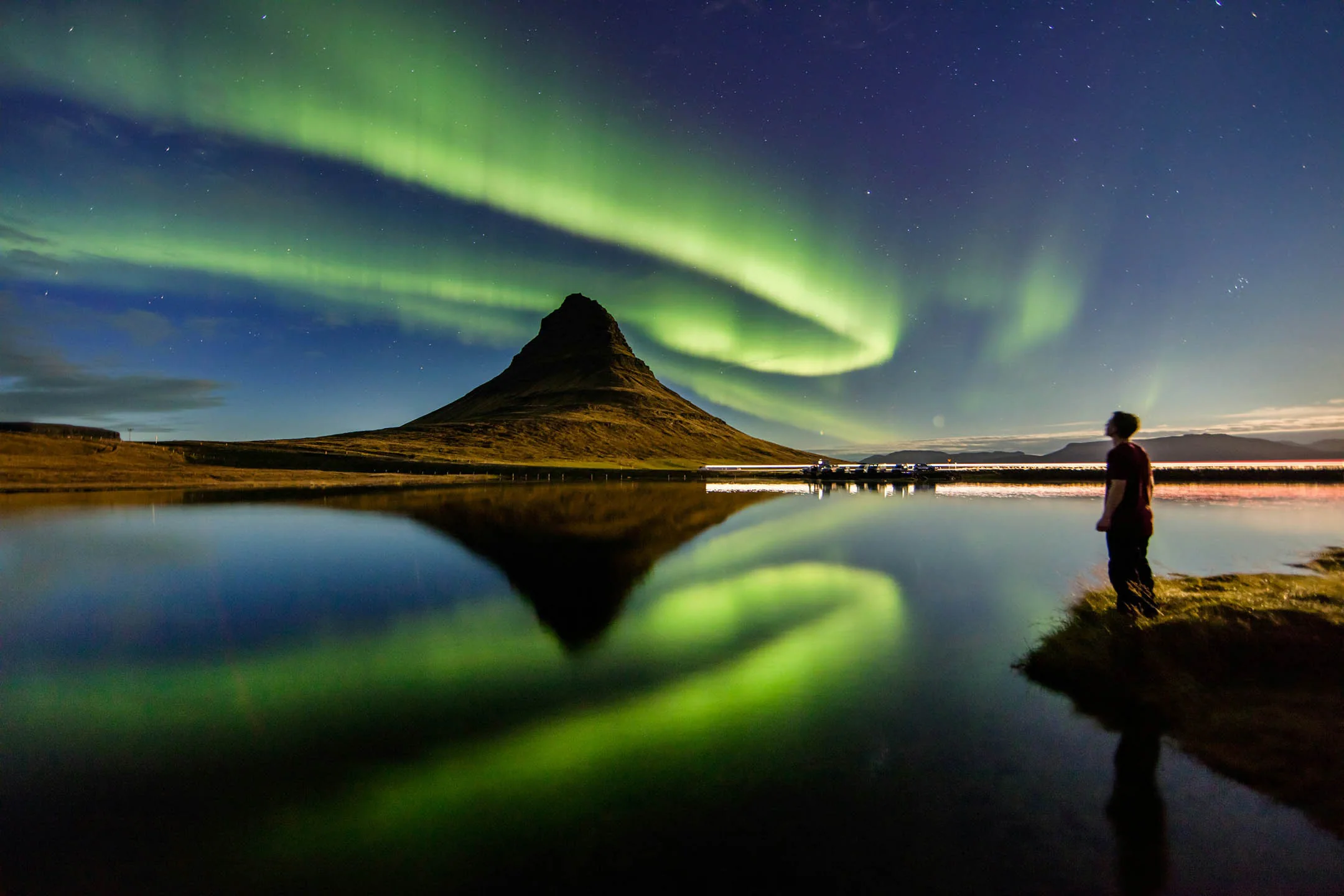
- Stop at Kirkjufell mountain and its reflection pool which can look especially striking under a clear, starry sky.
- Visit Ytri Tunga beach where seals often rest on the rocks, even in winter.
- Choose a campsite around Snæfellsnes or Borgarnes and prepare for one more night of aurora watching if the forecast is positive.
Day 7: Reykjavik, Last Walks And Departure
- Return to Reykjavik with time to explore any remaining sights such as Hallgrímskirkja church or the Einar Jónsson sculpture garden.
- Drive to the Grotta lighthouse area for a final coastal walk. If your flight is late and the sky is clear, this can be your last chance to see the Northern Lights.
- Return the campervan at Keflavik Airport and allow extra time in case winter weather affects traffic.
Budget Overview For A 7 Day Iceland Campervan Winter Trip
Exact costs change with exchange rates and your travel style, but the outline below shows how a one week Iceland campervan winter itinerary can stay under about 2,000 USD for two people, excluding flights.
- Campervan rental: Roughly 1,100 USD for seven winter days in a well equipped 4x4 with heater and winter tyres.
- Fuel: Around 250 USD for about 600 kilometres of driving.
- Campsites and facility fees: About 100 USD if you mix simple sites with occasional electric hookups.
- Food: Approximately 250 USD if you cook most meals from supermarket groceries and keep restaurant visits to a minimum.
- Miscellaneous: Around 150 USD for things like micro spikes, extra gas canisters and paid hot pools that you decide are worth the treat.
Using free or low cost hot springs, self guided hikes and your own cooking keeps costs significantly lower than a hotel based holiday that relies on day tours and restaurant meals.
Final Thoughts On Planning An Iceland Campervan Winter Itinerary
A well planned Iceland campervan winter itinerary gives you a realistic chance to see the Northern Lights while still enjoying frozen waterfalls, quiet beaches and warm geothermal pools. Winter asks more from you in terms of preparation and flexibility, but it also gives you darker skies, fewer crowds and a feeling that you have Iceland almost to yourself.
If the aurora appears, your memories will be unforgettable. If the weather does not cooperate every night, you still gain a week of dramatic landscapes, hot drinks in a warm van and the satisfaction of travelling at your own pace. When you are ready to design your own version of this route, you can start by choosing a winter ready van from our
North Star campervan rentals, then matching your dates with road and sky forecasts so that Iceland has the best chance to put on a show.