


Iceland Campers 2026: Complete Campervan Guide for Iceland
Iceland campers 2026 is one of the most searched travel topics for travelers planning an Iceland road trip. Campervan travel offers freedom, flexibility, and direct access to Iceland’s dramatic landscapes without relying on hotels or fixed itineraries.
Driving Iceland in a campervan allows you to follow weather conditions, stay longer at places you love, and experience nature at your own pace.
This guide explains how to plan a successful campervan journey in Iceland, covering routes, safety, rentals, and campsites based on real conditions.
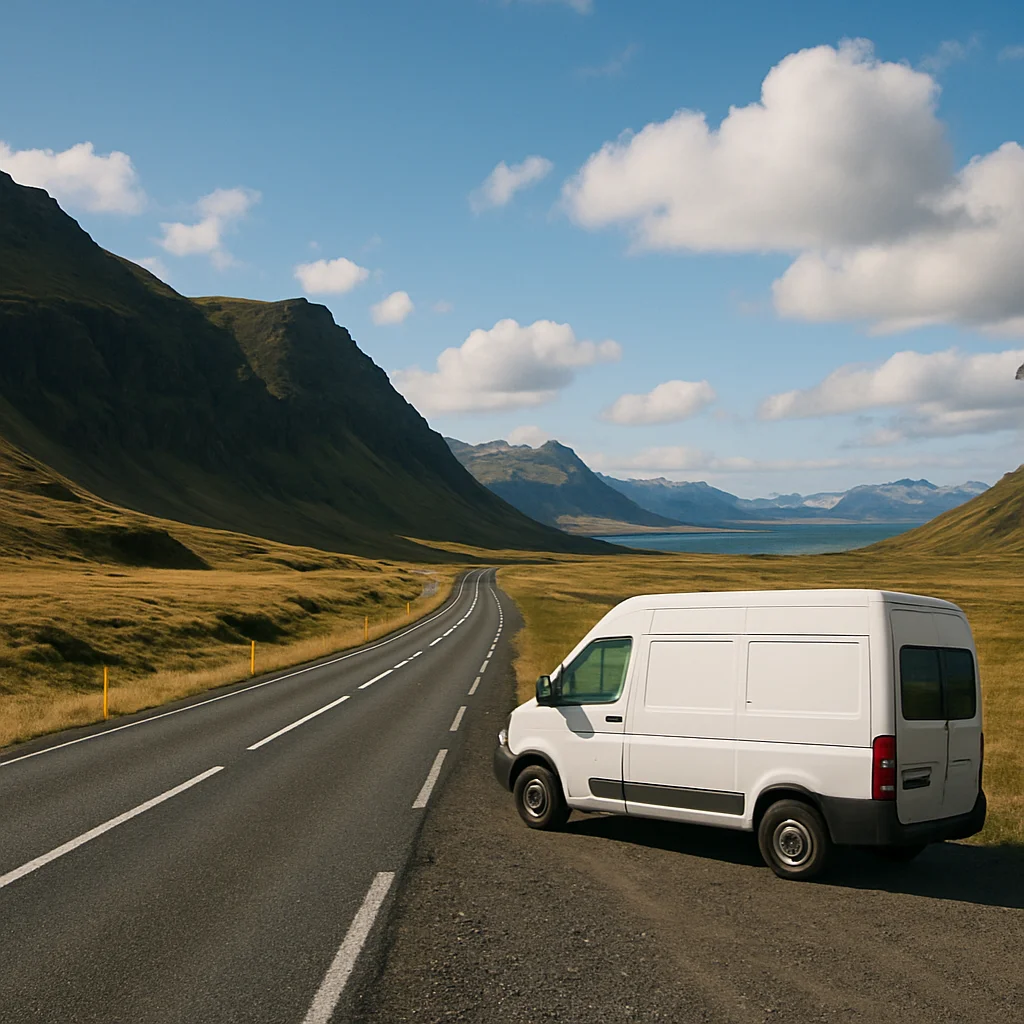
Why Campervan Travel Is Ideal for Iceland
Traveling Iceland by campervan combines transport and accommodation into one flexible solution. This style of travel is especially popular for those planning longer routes.
- Flexible travel: No hotel check-in deadlines
- Cost control: Fewer accommodation expenses
- Nature access: Sleep close to waterfalls, glaciers, and volcanoes
Many travelers choosing Iceland campers in 2026 value the ability to adapt plans daily.
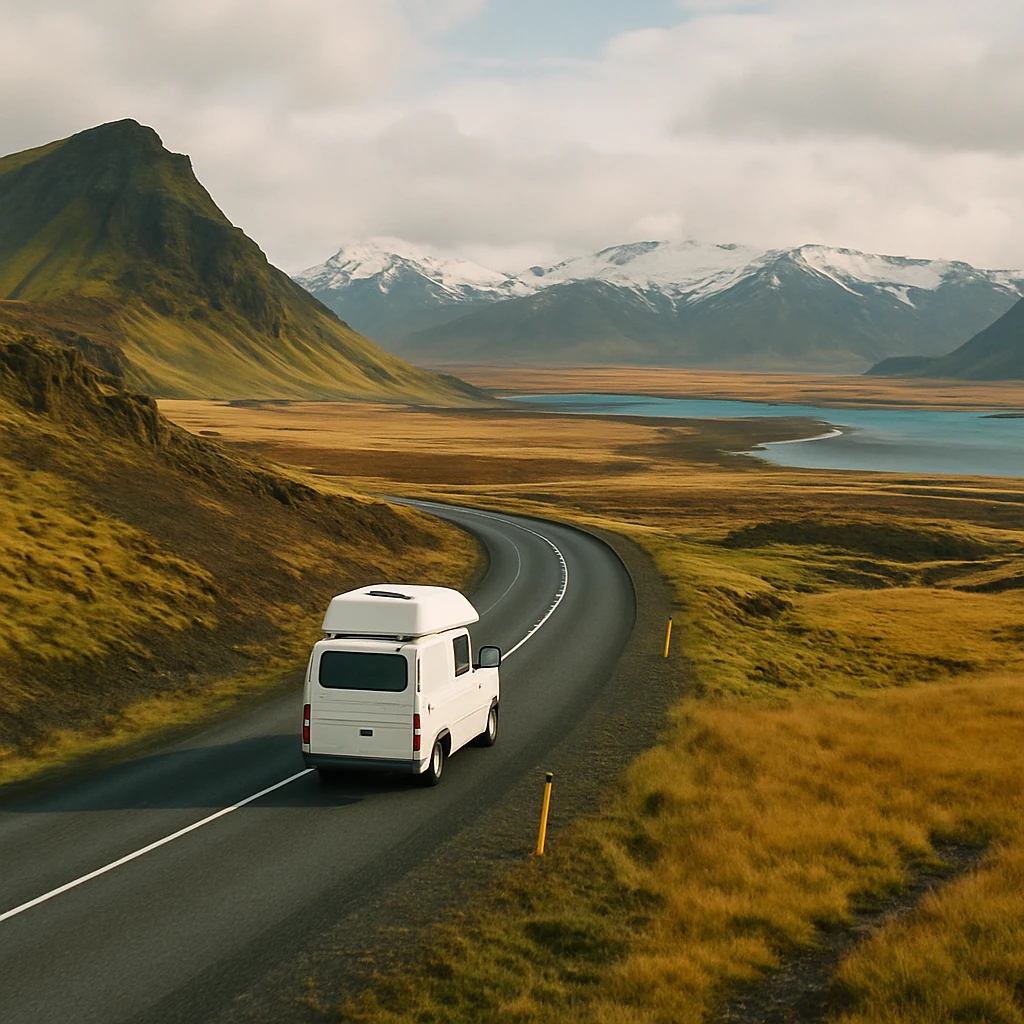
Planning an Iceland Campervan Road Trip
Planning ahead is essential when traveling Iceland by campervan. Weather, road conditions, and distances can change quickly.
The Ring Road (Route 1) is the most common route for Iceland campers 2026, offering access to major attractions around the island.
- Book your campervan early for summer travel
- Plan campground stops in advance
- Prepare for rapid weather changes
Wild camping is not allowed. Overnight stays must be in designated campsites.
Before driving each day, check official sources:
Choosing the Right Campervan in Iceland
The best campervan depends on group size, season, and route. Many Iceland campers in 2026 choose vehicles based on comfort and safety.
- Compact campervans: Best for couples and easy driving
- Larger campervans: More space for families
- 4x4 campers: Required for Highlands and F-roads
Important features include heating, insulation, and realistic insurance coverage.
You can explore available campervans at North Star Rental, a local company focused on safe and well-maintained vehicles.
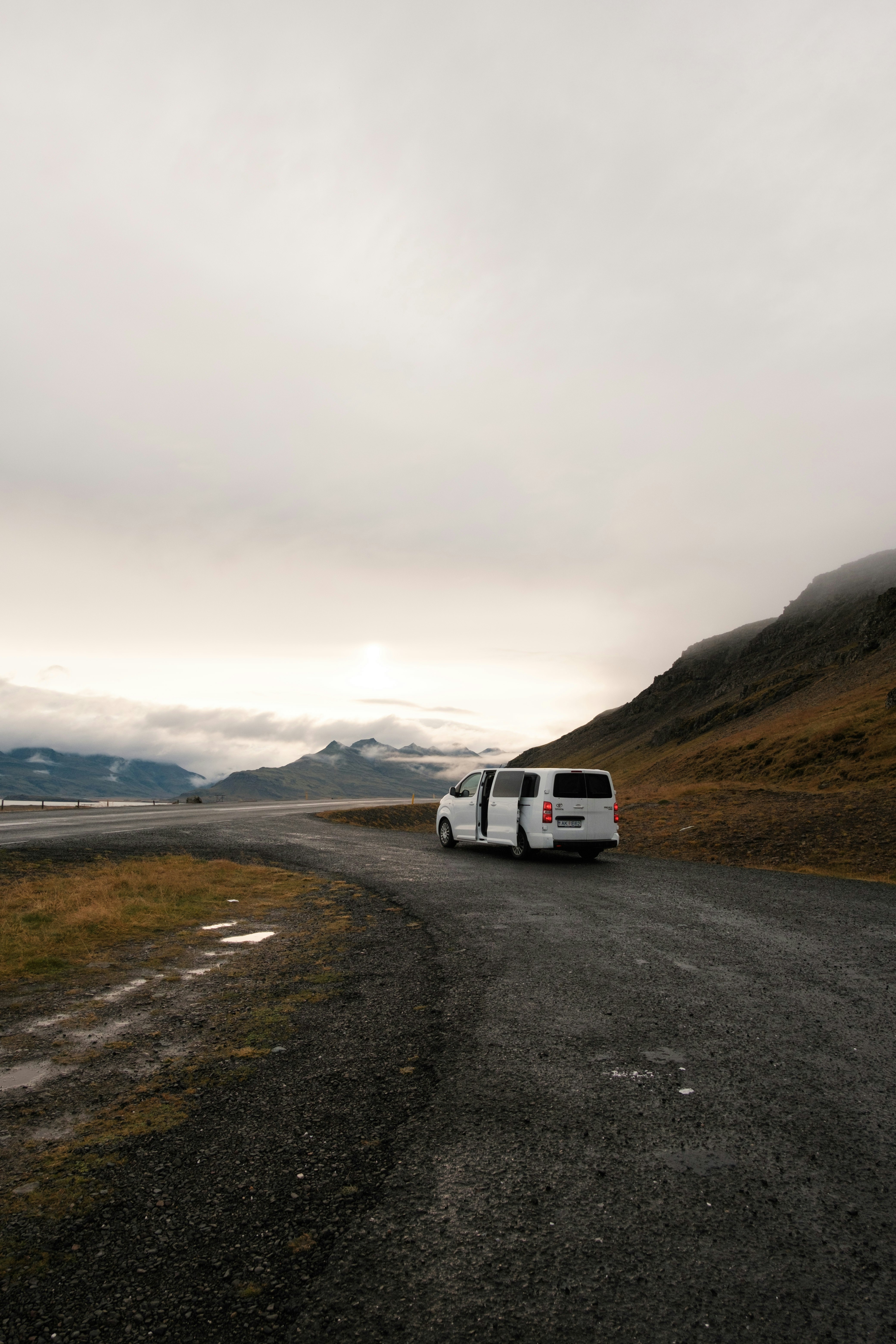
Driving Safety and Local Rules
Driving in Iceland requires awareness. Gravel roads, strong winds, and wildlife are common.
- Headlights must be on at all times
- Off-road driving is illegal
- Sheep often cross rural roads
Weather can change within minutes, especially in open areas.
For more detailed advice, read:
Campervan Safety in Iceland
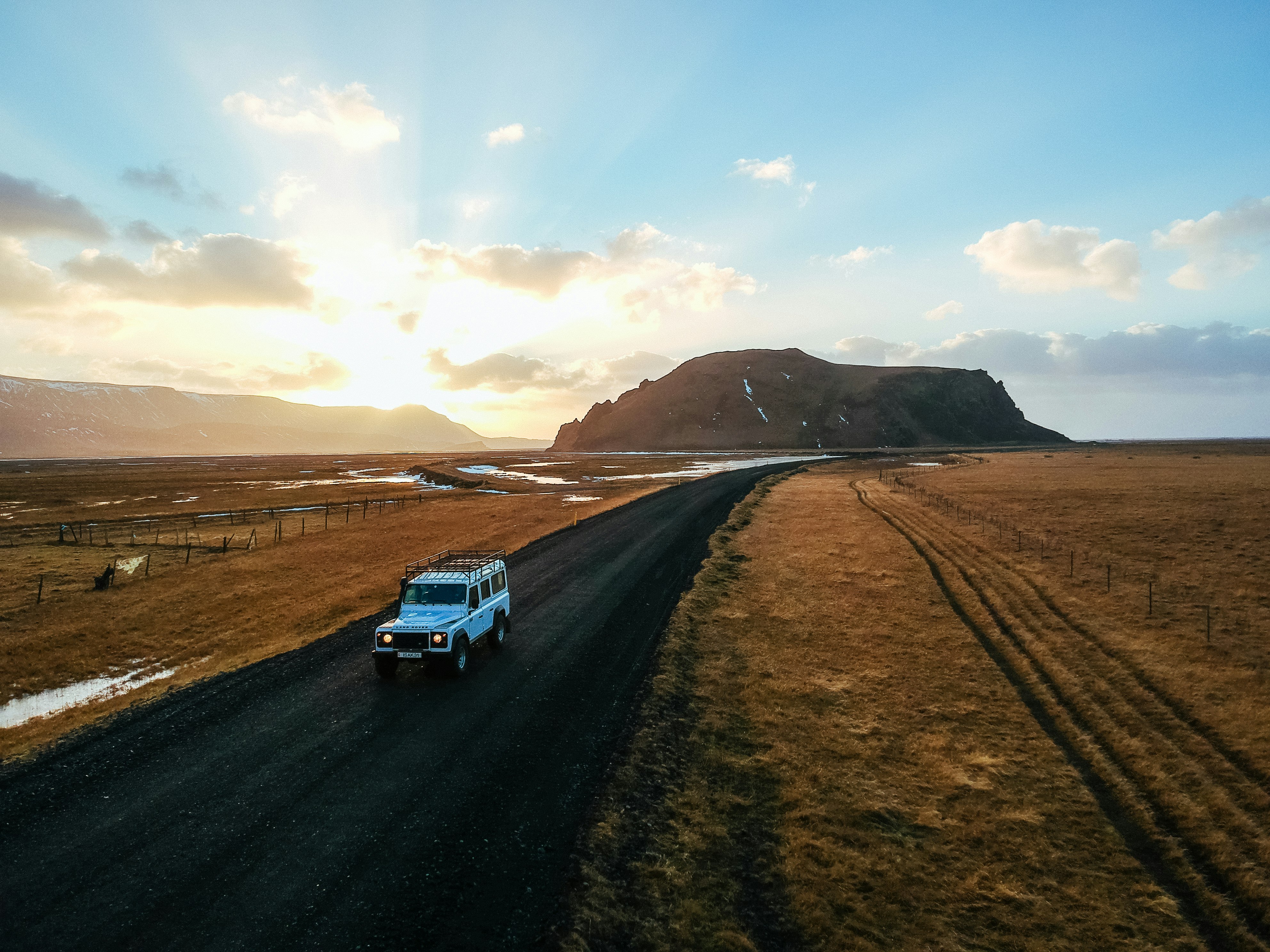
Where Iceland Campers Stay Overnight
Iceland offers hundreds of designated campsites suitable for campervans.
- Þingvellir National Park
- Skaftafell Camping
- Vogar Camping near Reykjanes
Most campsites include toilets, showers, and electricity.
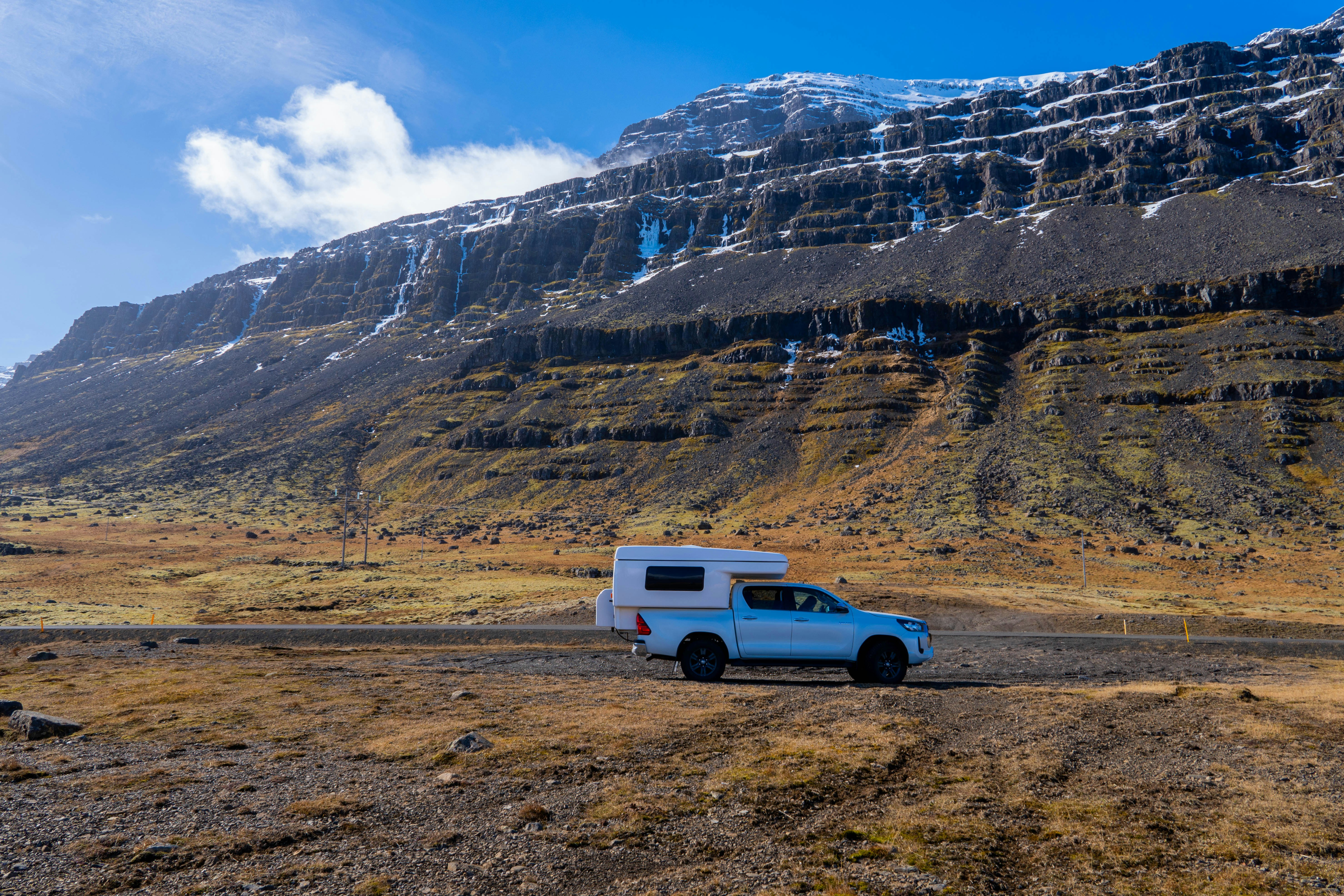
What to Pack for Iceland Campervan Travel
Preparing for Iceland campers 2026 means packing for wind, rain, and cold temperatures.
- Waterproof clothing
- Thermal layers
- Hiking boots
- Reusable water bottle
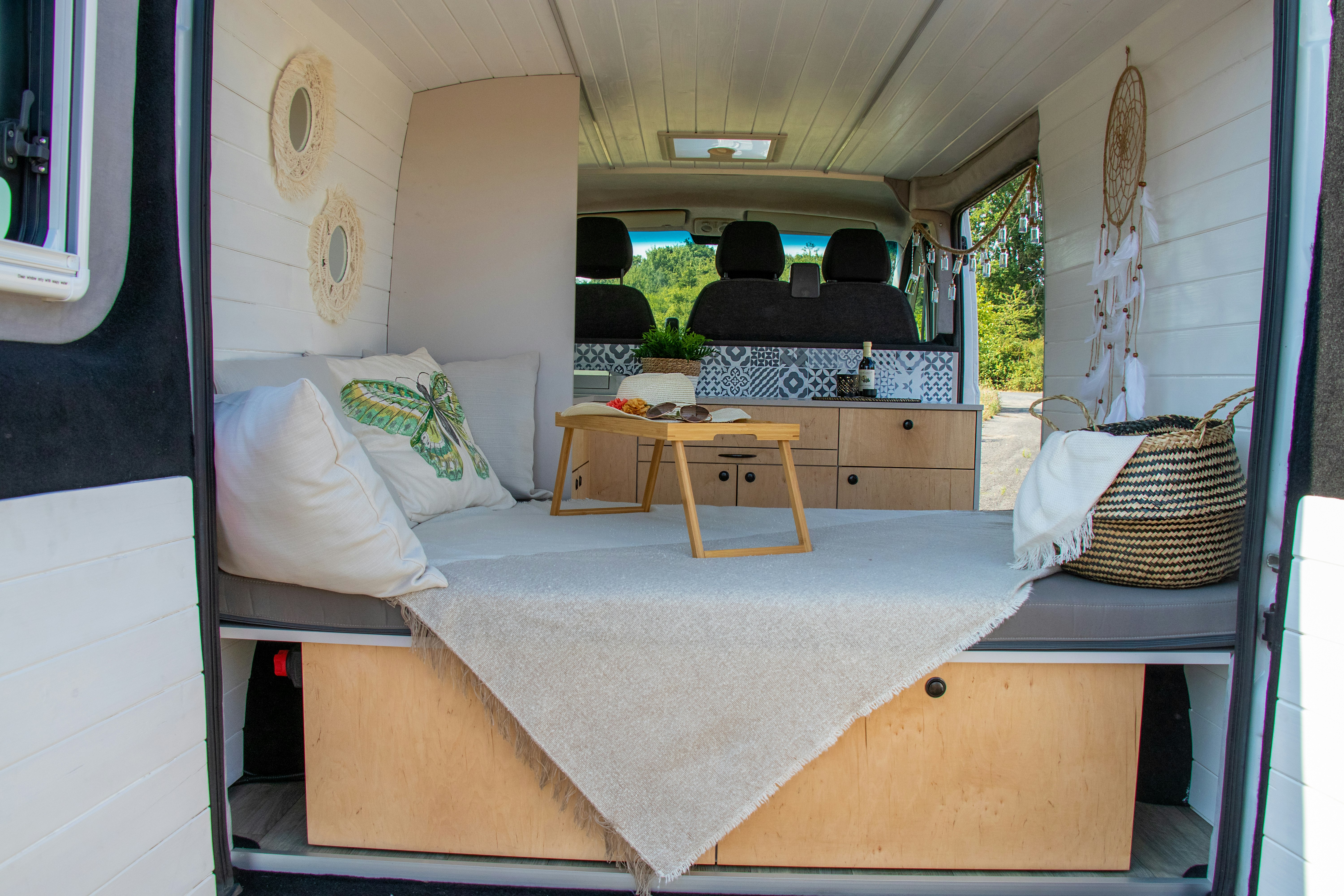
Sustainable Campervan Travel in Iceland
Responsible travel helps protect Iceland’s fragile environment.
- Use designated campsites
- Stay on marked roads
- Dispose of waste responsibly
Frequently Asked Questions
Is wild camping allowed?
No, overnight stays must be at designated campsites.
When is the best time to travel?
June to August offers the best weather and longest daylight.
Do campervans include heating?
Most modern campervans do, but always confirm before booking.
Conclusion
Planning your trip around Iceland campers 2026 allows you to experience Iceland with maximum freedom and control.
With good preparation, a reliable campervan, and respect for local conditions, Iceland becomes one of the most rewarding road trip destinations in the world.
Explore campervan options and local support at North Star Rental.