


Essential Gear for Iceland Campervan Trips
Iceland campervan essentials can make or break your road trip, especially if it’s your first time exploring the country on four wheels. From choosing the right vehicle to packing smart, understanding the basics early helps you travel safely, comfortably, and without expensive surprises.
Before booking flights or mapping routes, experienced travelers focus on what makes campervan travel to work smoothly. Weather, road conditions, and camping rules are unique here, which makes preparation especially important.
Choosing the Right Vehicle
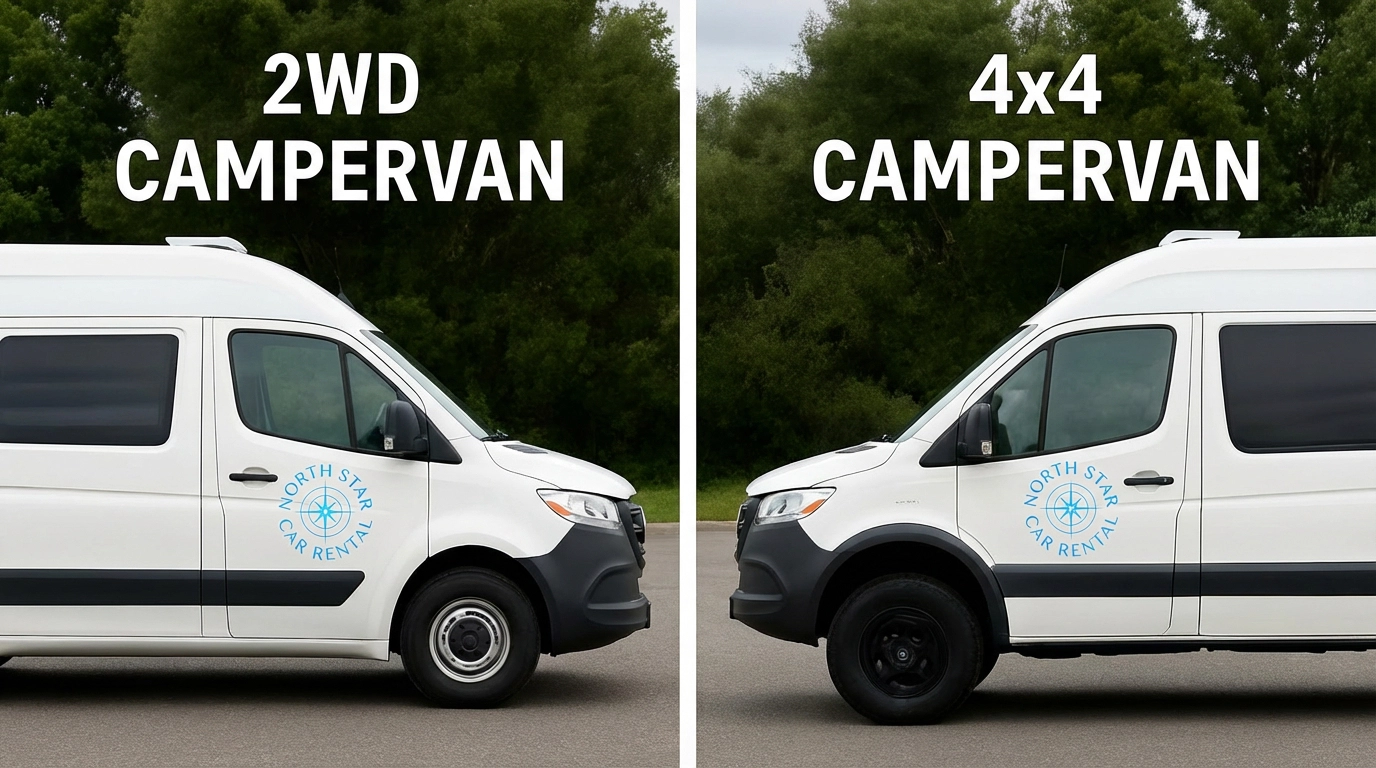
One of the most important essentials is selecting the correct vehicle type. For summer travel between May and September, a 2WD campervan works well on the Ring Road and paved routes. It offers comfort and affordability for first-time visitors.
However, a 4x4 campervan becomes essential for Highlands travel and all F-roads. These mountain roads legally require four-wheel drive and are often rough, remote, and weather-dependent.
You can explore available vehicle options on the
North Star Rental campervan fleet page.
What’s Included
Most reputable rental companies include the core Iceland campervan essentials so travelers don’t need to pack bulky items.
Typical inclusions:
- Bedding: Duvets, pillows, and sheets
- Cooking gear: Stove, pot, pan, plates, and cutlery
- Cooling: Fridge or insulated cooler
- Water supply: Freshwater canister
A critical part is the diesel heater. Even in summer, temperatures drop at night. The heater runs independently from the engine and keeps the cabin warm without draining the starter battery.
Insurance Essentials
Standard insurance often excludes Iceland-specific risks. Understanding insurance is one of the most overlooked Iceland campervan essentials.
Two upgrades matter most:
- Gravel Protection: Prevents costly windshield damage on gravel roads
- Sand & Ash Protection: Essential for South Coast travel during windy conditions
For a detailed breakdown, see our guide on
campervan safety and common damage in Iceland.
Where You Can Sleep: Camping Rules in Iceland
Another key is knowing where you can legally stay overnight. Wild camping with vehicles is not allowed in Iceland.
Instead, campervans must stay at designated campsites. These sites are widely available and usually do not require advance booking.
For official guidance, check:
Food Planning
Cooking in your campervan is one of the biggest budget advantages. Shopping at local supermarkets like Bónus or Krónan helps reduce daily costs.
Simple meals work best:
- Breakfast: Skyr with granola
- Lunch: Sandwiches or wraps
- Dinner: One-pot pasta or rice dishes
Iceland’s tap water is safe and excellent. Refillable bottles are essential.
What to Pack
Even with a fully equipped van, personal gear matters. Iceland’s weather changes quickly, so layering is essential.
Recommended clothing system:
- Moisture-wicking base layer
- Insulating mid-layer (fleece or light down)
- Waterproof and windproof outer shell
Additional:
- Waterproof hiking boots
- Sleep mask for summer daylight
- Power bank for devices
- Swimsuit for geothermal pools
Your Final Checklist
By covering the full set, you avoid the most common travel problems.
Before departure:
- Choose the correct campervan type
- Add Gravel Protection and relevant insurance
- Install weather and road condition apps
With the right preparation, campervan travel in Iceland becomes flexible, safe, and unforgettable. Once the essentials are covered, the journey is yours to enjoy.
You can start planning or
book your campervan in Iceland here.