


Camping During Easter Season in Iceland: What Travelers Need to Know
Camping during Easter season in Iceland can be a memorable experience, but it requires more preparation than many travelers expect. Easter sits between winter and spring, meaning weather, road conditions, and campsite availability can change quickly.
This guide explains what to expect when camping in Iceland during Easter, including weather, campsite availability, driving conditions, and practical tips based on real local experience.
Is Easter a Good Time for Camping in Iceland?
Camping during Easter season in Iceland is very different from summer camping and should be approached as early-season travel.
Easter in Iceland usually falls between late March and mid-April. During this period, daylight hours increase quickly, landscapes begin to change, and tourist numbers are still relatively low compared to summer.
However, Easter camping is not the same as summer camping. Travelers should be prepared for winter-like conditions, especially outside urban areas.
Weather Conditions When Camping During Easter Season in Iceland
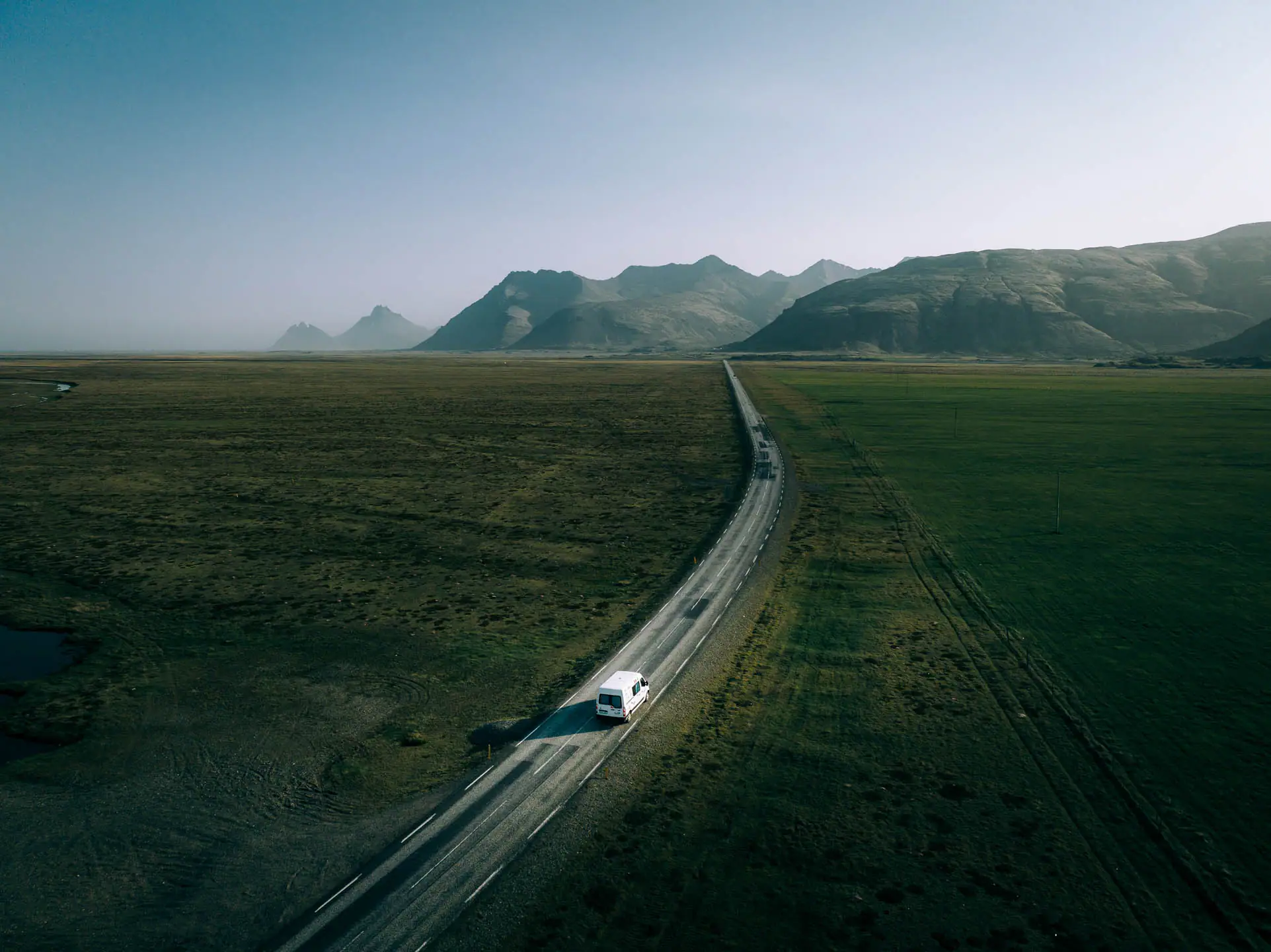
Weather is the biggest factor when planning camping during Easter season in Iceland. While spring is approaching, winter is not fully gone.
- Temperatures can range from -5°C to +8°C
- Snow and ice are still possible, especially in the north and higher elevations
- Strong wind and sudden weather changes are common
Always check official forecasts before driving or setting up camp:
Are Campsites Open During Easter in Iceland?
One of the most common mistakes travelers make is assuming all campsites are open during Easter. Many campsites remain closed until late May or June.
During Easter, you will mainly find:
- Year-round campsites near major towns
- Limited services such as closed showers or reduced facilities
- Restricted access in rural areas
Planning overnight stops in advance is essential.
Camping Rules and Legal Considerations
Camping regulations in Iceland are strict and apply year-round. Vehicle camping outside designated campsites is not allowed.
When camping during Easter:
- Stay only at approved campsites
- Respect local rules and signage
- Do not assume winter conditions allow exceptions
Following the rules protects nature and helps avoid fines.
Driving and Safety During Easter Camping Trips
Driving conditions during Easter can change quickly. Snow, ice, and wind still affect many roads.
- Some mountain roads remain closed
- One-lane bridges and gravel roads require extra caution
- Weather-related road closures are common
For a deeper look at seasonal driving risks, see our guide on
Campervan Safety in Iceland.
Choosing the Right Vehicle for Easter Camping
The right vehicle makes a major difference when camping in Iceland during Easter.
- Insulated campervans provide warmth during cold nights
- Winter tires are often still necessary
- 4x4 vehicles offer added confidence in unstable conditions
Local rental companies familiar with early-season travel can help travelers choose vehicles suited for spring conditions rather than summer use.
What to Pack for Easter Camping in Iceland
- Warm sleeping bags rated for low temperatures
- Thermal clothing and waterproof outer layers
- Extra food and water in case of delays
- Power banks and charging options
Do not rely on campsites being fully serviced.
Pros and Cons of Camping During Easter Season in Iceland
Advantages
- Fewer tourists compared to summer
- Increasing daylight hours
- Unique winter-to-spring landscapes
Challenges
- Limited campsite availability
- Unpredictable weather
- Higher preparation requirements
Final Thoughts on Camping During Easter Season in Iceland
Camping during Easter season in Iceland can be highly rewarding for travelers who plan carefully and respect early spring conditions.
The key is preparation, flexibility, and awareness of local regulations and weather changes.
If you are planning an Easter road trip, choosing an experienced local rental provider such as
North Star Rental can help ensure your vehicle is equipped for early-season travel.