


Driving in Iceland with a Campervan: Complete Guide for First-Time Visitors
Driving in Iceland with a campervan is one of the best ways to explore the country. You can travel at your own pace, stop at waterfalls and black sand beaches, and enjoy the freedom of waking up in a new place every day. For many travelers, a campervan road trip is the most flexible and memorable way to experience Iceland.
At the same time, driving in Iceland is different from driving in many other countries. Weather changes fast, gravel roads require extra care, winter conditions can be challenging, and some routes such as F-roads require the right vehicle and the right preparation. Knowing what to expect can make your trip smoother, safer, and much less stressful.
In this guide, we share practical advice for first-time visitors, including local tips from our team, road safety recommendations, winter driving guidance, gravel road tips, campsite advice, and the most important things to know before getting behind the wheel. If you are still choosing your vehicle, you can also explore our campervan fleet in Iceland and learn more about our upcoming Campervan Rental Iceland landing page.

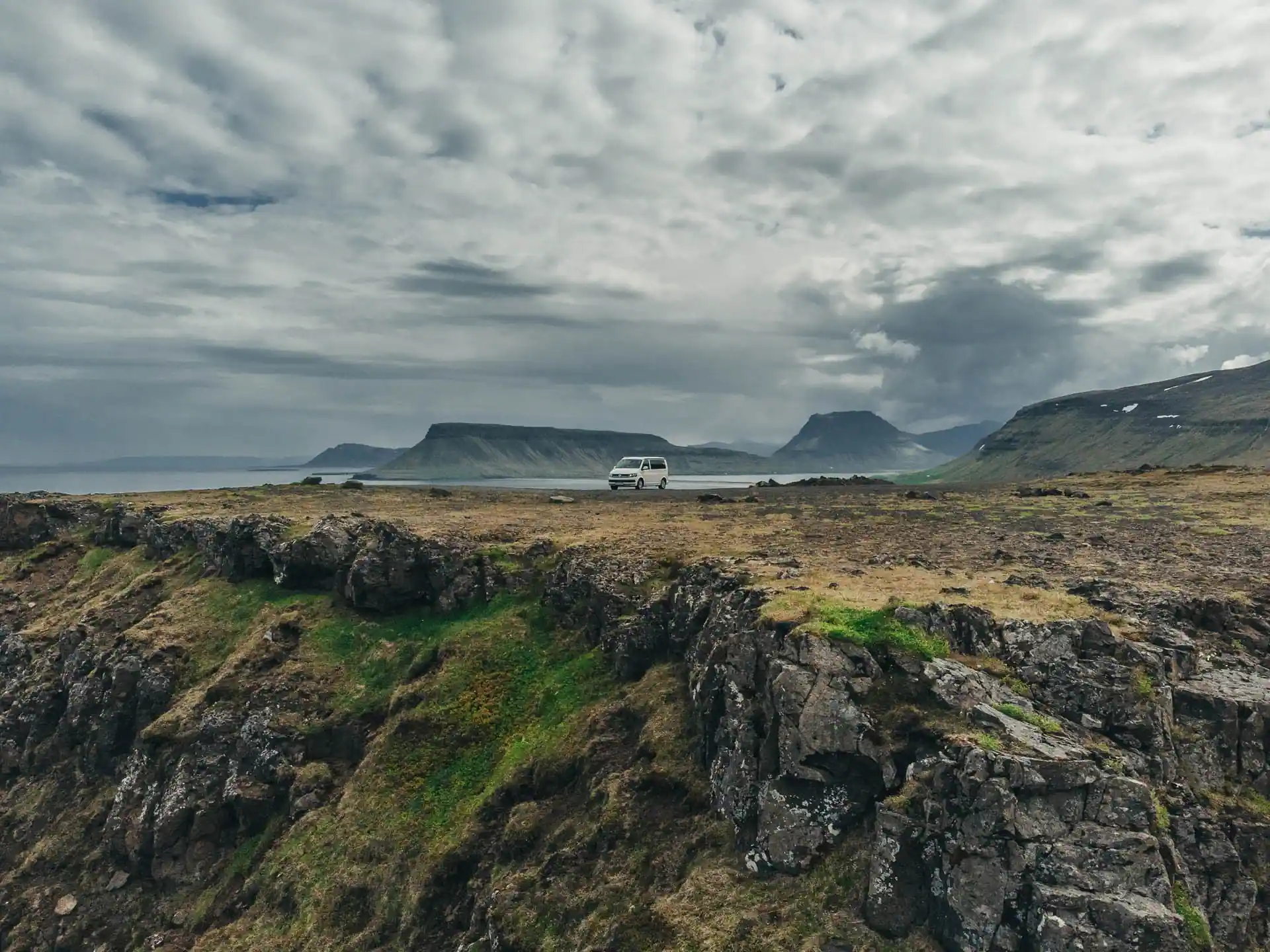
Driving a campervan in Iceland gives you the freedom to explore the country at your own pace.
Why a Campervan Is One of the Best Ways to Travel Around Iceland
Iceland is made for road trips. The country has scenic coastal roads, dramatic volcanic landscapes, glacier lagoons, quiet fishing villages, and famous sights all connected by routes that are ideal for self-drive travel. A campervan gives you the flexibility to change plans according to the weather, spend more time in the places you love, and stay closer to nature.
For many travelers, a campervan can also be more practical than combining a rental car with hotels every night. You carry your sleeping setup, basic kitchen equipment, and travel essentials with you, which makes the journey simple and efficient. It is especially popular for travelers following the Ring Road, visiting South Iceland, or exploring the Snæfellsnes Peninsula.
If you are planning a longer trip, you may also enjoy our related articles on Iceland campervan itineraries and the best campsites in Iceland.
What to Expect When You Pick Up Your Campervan in Iceland
When you arrive in Iceland, our representative welcomes you and drives you to our office where you will pick up your campervan. This part of the trip is more important than many people think. The handover is not just about getting the keys. It is the moment when you learn how the campervan operates and how to avoid common mistakes on the road.
We always recommend paying close attention during the pickup instructions. Understanding how to operate the campervan properly can save you a lot of hassle during your trip. Small details such as how to use the heating, open and close components safely, manage power, or check the basics of the vehicle can make a big difference once you are out on the road.
It is also very important to listen carefully to any recommendations from the rental agent about weather information, road conditions, parking payments, and tunnel payments. These details are easy to ignore when you are excited to start the trip, but missing them can turn out to be expensive.
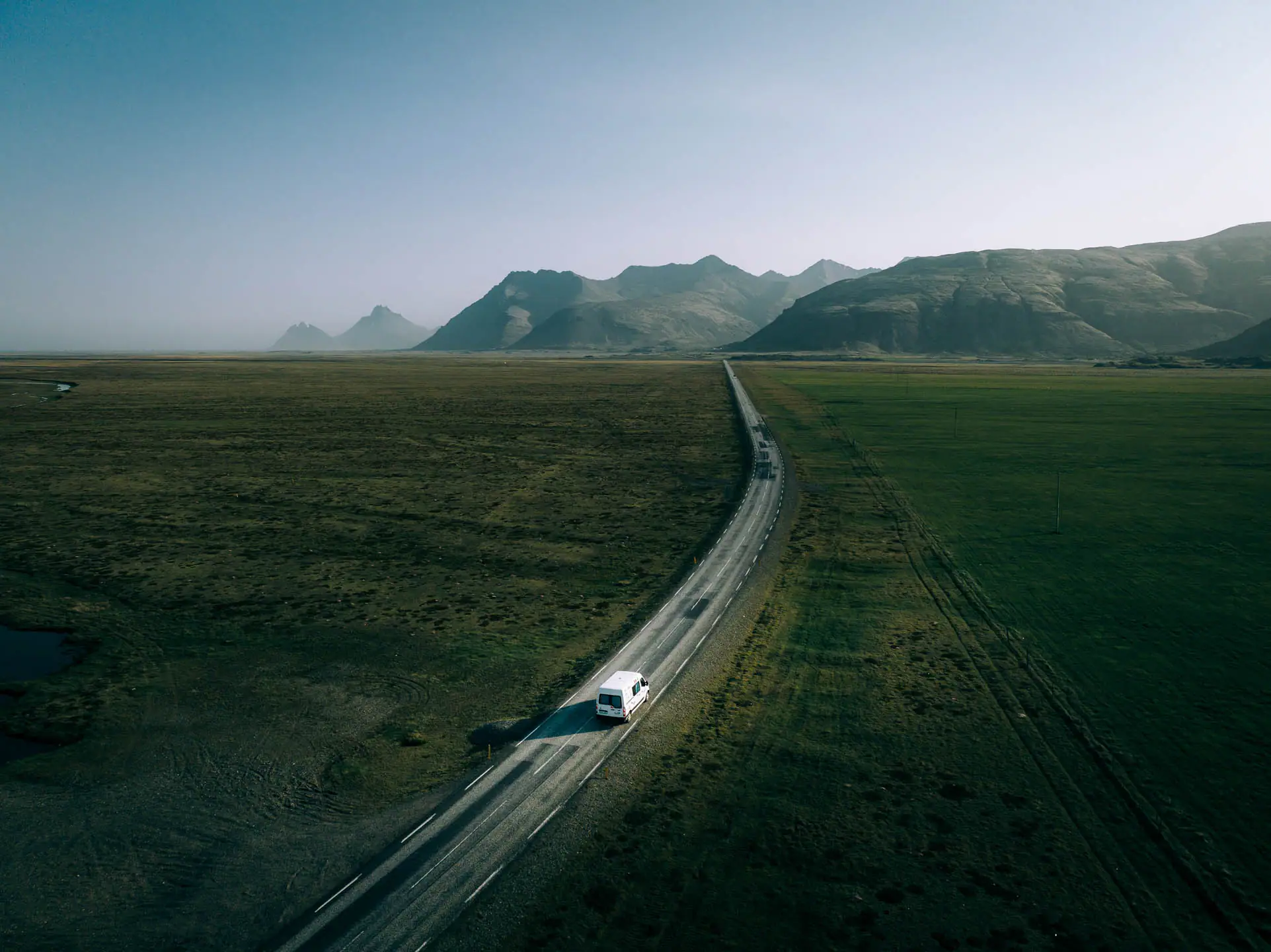
Road Conditions in Iceland
Road conditions in Iceland vary a lot depending on where you drive and the season. The main Ring Road is paved for most of its route and is usually the easiest road for tourists. However, many side roads, remote scenic routes, and rural areas include gravel sections. In winter, snow, ice, and strong winds can change driving conditions very quickly.
Before every driving day, check:
- road.is for road conditions and closures
- vedur.is for weather forecasts and warnings
- Local recommendations from your rental team
These checks are especially important in winter, during shoulder seasons, and before driving into more remote parts of the country.
Driving on Gravel Roads in Iceland
Many travelers in Iceland will eventually drive on gravel roads, whether it is a short section leading to a campsite or a longer route outside the most visited areas. Gravel requires a different driving style from paved roads, and caution is important.
One useful local tip is that when there are no cars around, it is often safer to stay centered in your lane rather than driving too close to the edge. Driving near the road edge increases the risk of losing control or slipping off the route, especially if the surface is loose or uneven.
It is also very important to keep a good distance from the car in front of you. Loose gravel can be thrown up by other vehicles and may hit your windshield, paintwork, or front body panels. By keeping more space, you reduce the chance of damage and give yourself more time to react.
When driving on gravel roads:
- Reduce speed and drive smoothly
- Stay well within your lane
- Avoid sudden steering movements or harsh braking
- Keep a safe following distance from other vehicles
- Be extra careful when approaching bends and narrow sections
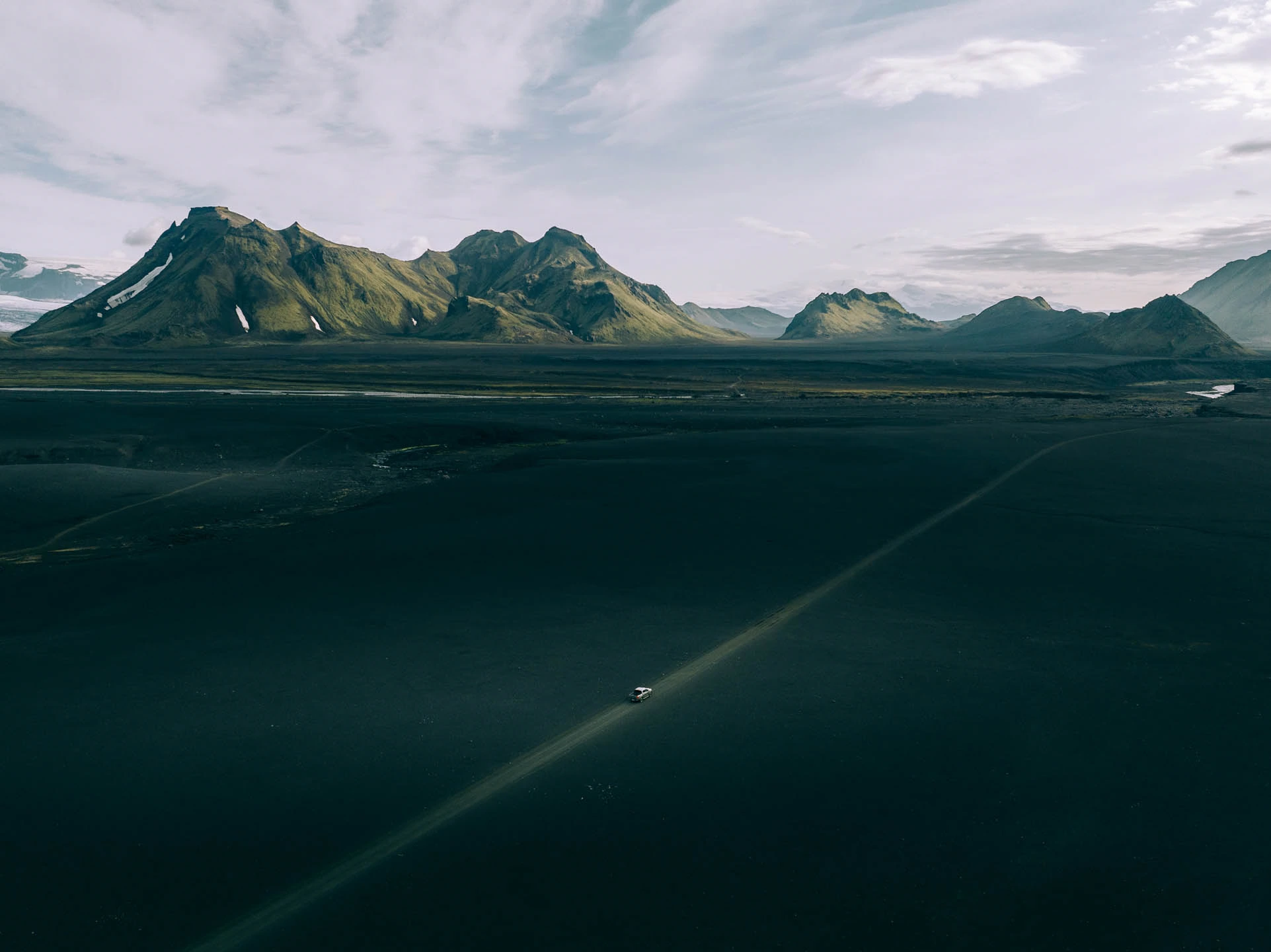
Driving slowly and leaving space from the car in front helps protect your campervan on Icelandic gravel roads.
Black Ice and Winter Driving Tips
Winter road trips in Iceland can be beautiful, but they require extra caution. One of the biggest dangers is black ice. Black ice is difficult to see and can appear in the early morning, late evening, and in shaded areas. It is extremely slippery and can catch even careful drivers by surprise.
Because of this, we usually recommend in winter starting your driving day after 9:00 or 10:00 in the morning. By that time, roads are more likely to have been cleaned and salted, and visibility is often better than very early in the day.
Winter driving tips include:
- Start later in the morning when roads are more likely to be treated
- Drive more slowly than usual and allow extra braking distance
- Check weather and road conditions every day before departure
- Avoid unnecessary driving late at night during icy conditions
- Respect weather warnings and be ready to change plans
If conditions look poor, the best decision is often to wait. Iceland rewards flexible travelers, and adjusting your plan is part of traveling safely here.
Be Careful with Campervan Doors in Strong Wind
Wind in Iceland is not something to underestimate. Strong gusts can arrive suddenly, especially in open areas, near the coast, and at popular stops where travelers open doors often. One of the most common and expensive types of damage on rental vehicles happens when the wind catches a door and blows it wide open.
Always hold the door firmly when opening it, and be especially careful if the weather is windy. This applies to both your own campervan doors and to other parked vehicles nearby.
It is also smart to leave a good amount of space when parking next to another car. Another traveler may lose control of their door in the wind and hit your vehicle. A little extra distance when parking can help avoid unnecessary damage.
Parking Payments and Tunnel Payments
Iceland has more paid parking areas than many first-time visitors expect, especially at popular natural attractions. Some routes and regions also include toll payments or tunnel fees. These systems are usually simple once explained, but if you ignore them they can become expensive.
That is why we recommend paying attention when your rental agent explains parking systems, local payment methods, and route-specific fees. Taking a few minutes to understand how these payments work can save money and avoid stress during your trip.
Driving on F-Roads in Iceland
F-roads are mountain roads in Iceland's Highlands. These roads are rougher, more remote, and often include loose rocks, uneven surfaces, and river crossings. They are not suitable for every vehicle. If you plan to drive on F-roads, your car must be a proper 4x4 vehicle approved for Highland use.
Before driving on any F-road:
- Make sure your vehicle is a 4x4 approved for F-road travel
- Check road.is for openings and closures
- Confirm weather and route safety before departure
- Understand that conditions can change fast and roads can close suddenly
On F-roads, it is important to drive slowly. Loose rocks can damage the undercarriage and the paintwork. Slower driving also helps reduce the chance of getting a flat tire and protects tire tread over longer distances. Even if the road looks open, patience matters a lot in the Highlands.
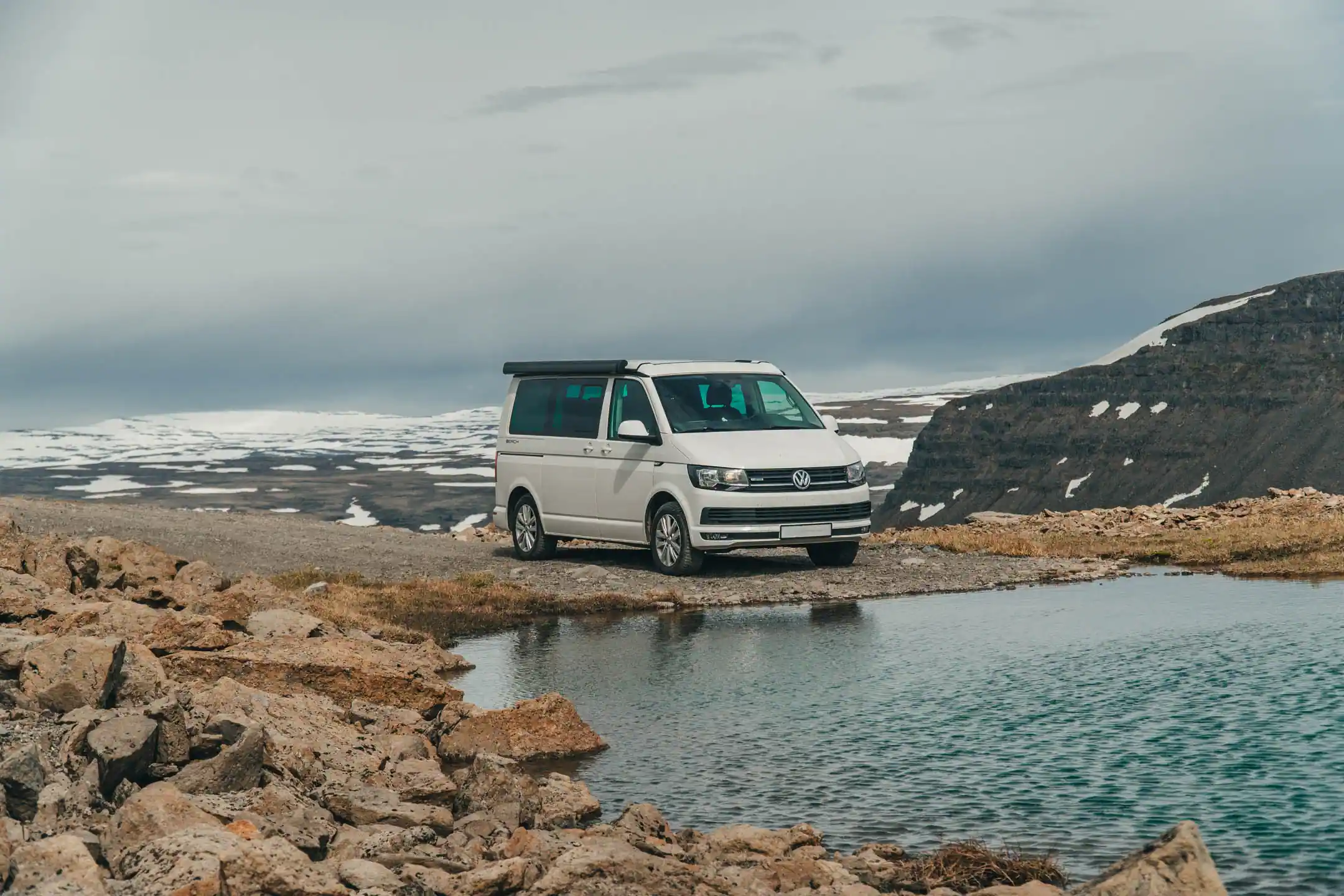
River Crossings: Where Many Travelers Make Mistakes
River crossings are one of the areas where travelers most often make serious mistakes in the Highlands. Just because another vehicle crossed does not mean conditions are safe for you. Water depth, current, riverbed conditions, and vehicle clearance all matter.
The basic rules are simple:
- Check the river depth carefully
- Compare the depth with your vehicle clearance
- Make sure crossing is truly safe before entering
- Activate 4x4 if your vehicle requires it
- Never drive upstream
- Cross slowly and steadily, aiming slightly downstream
- Do not drive fast through the water
Going too fast can create a wave that increases risk to the vehicle. If you are uncertain, the safest choice is always not to cross.
Where You Can Sleep in a Campervan in Iceland
In Iceland, overnight sleeping in a campervan should be done at designated campsites. Campsites are the proper and safe places to stay, and they are an important part of camper travel in Iceland.
Campsites are not only practical, they are also a nice part of the travel experience. You can meet other travelers, share tips, and enjoy a sense of community while still keeping the flexibility of a road trip. Many campsites offer useful facilities such as:
- Toilets
- Showers
- Kitchens
- Running water
- Electric hookups in some locations
If you are planning your route, our guide to the best campsites in Iceland can help you choose good overnight stops around the country.
Common Mistakes First-Time Visitors Make
Many first-time visitors make the same avoidable mistakes. Being aware of them in advance can save money and stress.
- Not paying enough attention during campervan pickup instructions
- Ignoring weather and road updates before driving
- Driving too close to the edge on gravel roads
- Following other vehicles too closely on loose gravel
- Opening doors carelessly in strong wind
- Starting very early in winter before roads are cleaned and salted
- Attempting F-roads without a proper 4x4 vehicle
- Rushing river crossings
- Missing parking or tunnel payment instructions
Frequently Asked Questions About Driving in Iceland with a Campervan
Is it difficult to drive in Iceland?
Driving in Iceland is usually straightforward on main roads in good weather, but conditions can change quickly. Wind, gravel, snow, ice, and narrow roads require more attention than in many other destinations.
Do I need a 4x4 campervan in Iceland?
Not always. A standard campervan is usually enough for the Ring Road and many popular routes in summer. However, F-roads and many Highland roads require a proper 4x4 vehicle.
Can I drive on F-roads with any campervan?
No. F-roads require an approved 4x4 vehicle. Always check your rental agreement and road conditions before attempting them.
Is black ice common in Iceland?
Yes, especially during colder months, and it can be very dangerous because it is hard to see. Early morning and late night are higher-risk times.
Where can I sleep in a campervan in Iceland?
You should sleep at designated campsites. They are safe, legal, and usually offer facilities such as toilets, showers, and water.
How do I stay updated on road conditions?
Check road.is for road updates and vedur.is for weather forecasts before driving each day.
Final Thoughts
Driving in Iceland with a campervan can be one of the most rewarding travel experiences you will ever have. The freedom to explore waterfalls, glaciers, black sand beaches, and quiet corners of the country on your own schedule is what makes camper travel so special here.
At the same time, Iceland is a place where listening to local advice really matters. Paying attention during pickup, checking weather and road conditions, driving carefully on gravel, respecting winter risks, and using campsites properly will help make your trip smoother and safer.
If you are preparing for your trip, browse our campervan fleet, read our guide to the best campsites in Iceland, and keep an eye out for our full Campervan Rental Iceland page for more planning tips and local advice.