


Arctic Foxes in Iceland: Complete Wildlife Guide for 2025
Arctic foxes in Iceland are survivors of ice and stone. Long before humans arrived, these small predators crossed frozen sea ice from Greenland and quietly claimed the island as their own. Today they remain Iceland’s only native land mammal and one of the most memorable wildlife encounters you can have on a road trip.
From their ice age origin story to the best places to see them in the wild, this guide explains everything you need to know – history, behaviour, where to go, safety on the trails, and how to watch them responsibly while exploring in a campervan.
Start planning your Westfjords journey with our Iceland campervan fleet.
Learn more about research and conservation at the Arctic Fox Centre in Súðavík.
Table of Contents
- History and Origins
- Physical Characteristics
- What do they Hunt and Eat
- Where to See
- Are they Dangerous?
- Tips for Responsible Watching
- FAQ:
- Interesting Facts
- Final Thoughts
History and Origins of Arctic Foxes in Iceland
They are believed to have reached Iceland roughly 10,000 years ago, walking across sea ice from Greenland at the end of the last ice age. Unlike Icelandic horses or sheep, which arrived with the Vikings, the fox colonised the island naturally and has been here longer than any human settlement.
Physical Characteristics
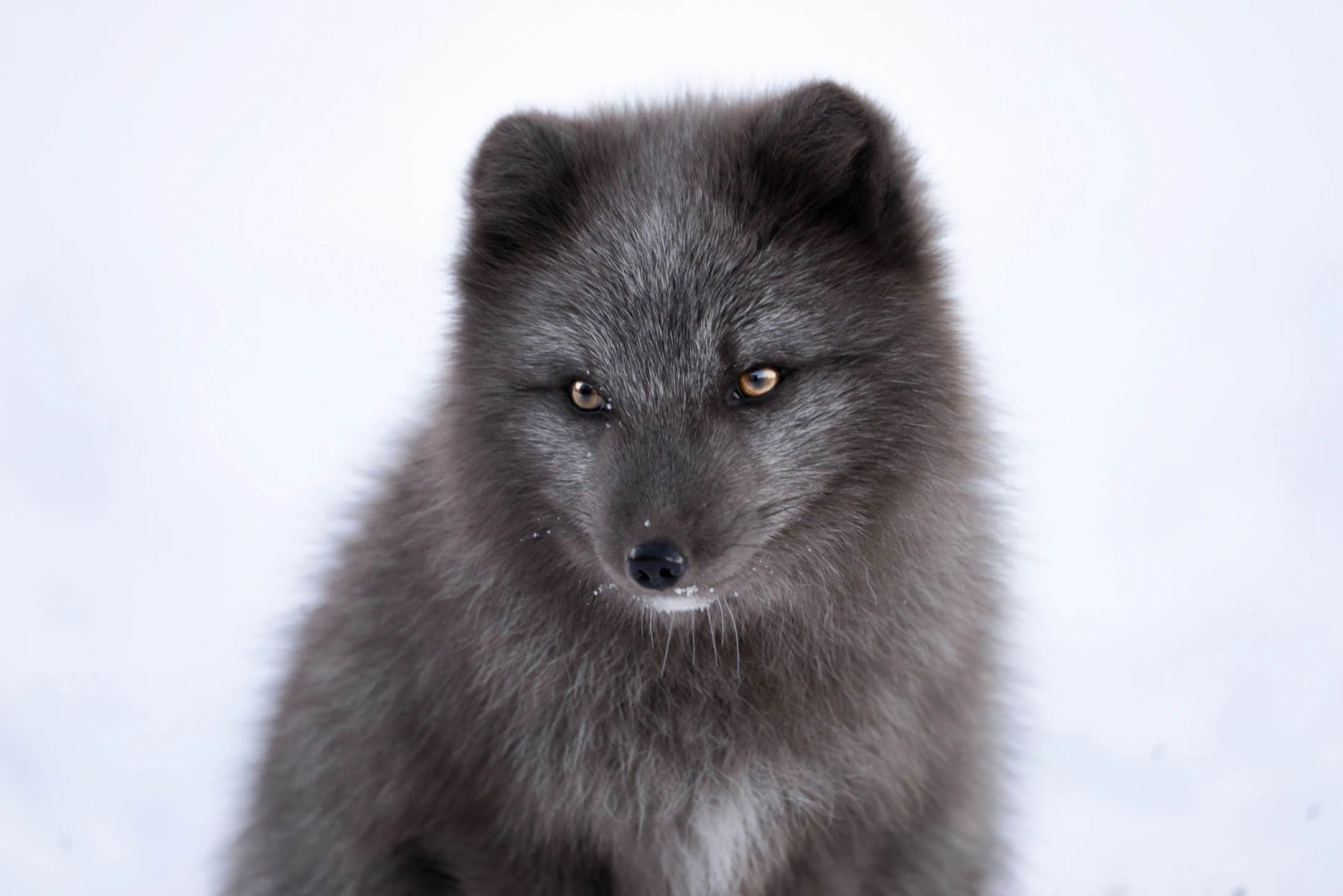
Many visitors imagine snow-white foxes blending into the tundra, but in Iceland the darker “blue morph” is actually more common than the classic white fox.
- White morph – White in winter and grey-brown in summer; most often found in the Highlands and inland areas.
- Blue morph – Dark brown or charcoal all year; most common along the coasts and in the Westfjords, where they blend perfectly with rock and black sand.
What Arctic Foxes in Iceland Hunt and Eat
Because lemmings do not exist in Iceland, arctic foxes here have adapted a different diet from their relatives in Canada, Greenland or Scandinavia.
| Food source | Main season | Details |
|---|---|---|
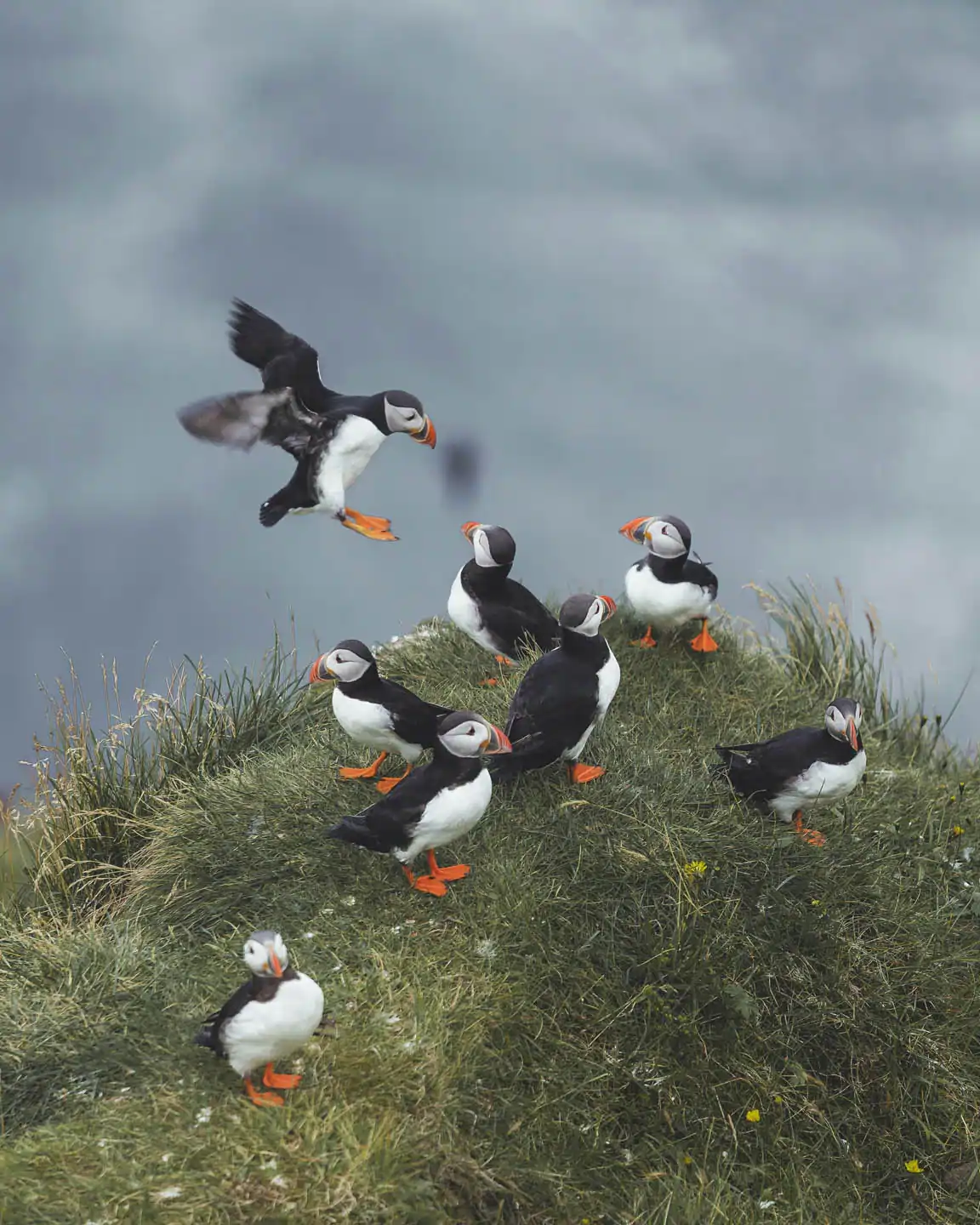
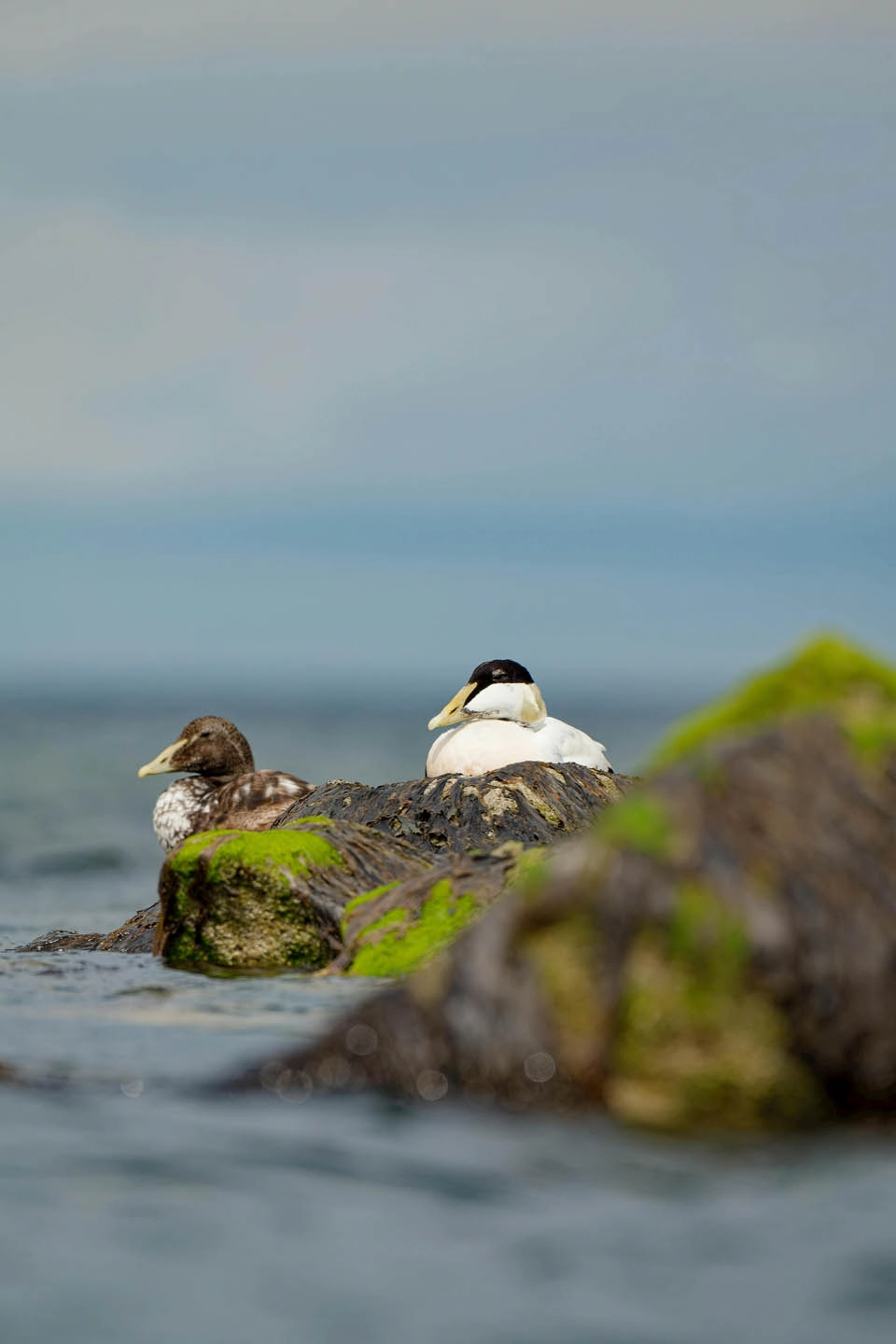
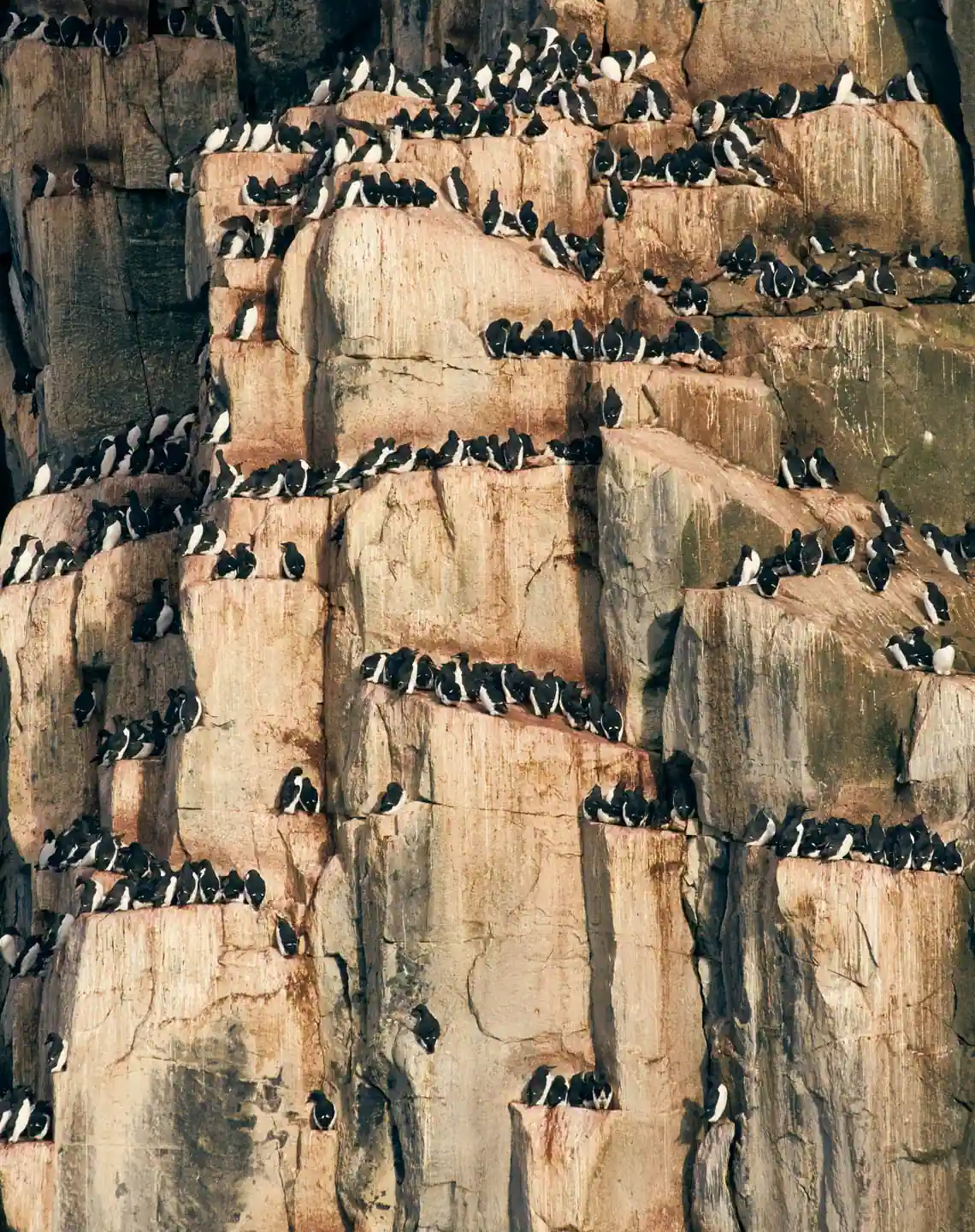
| Seabirds and eggs | Spring–Summer | Bird cliffs with puffins, guillemots and eider ducks. |
| Marine carrion | Year-round | Seal carcasses, fish remains and crabs washed ashore. |
| Berries and insects | Autumn | Crowberries and insects provide energy before winter. |
Where to See Arctic Foxes in Iceland
Arctic foxes are masters of camouflage, but your chances improve dramatically if you aim for the right regions.
Westfjords – Best Region
- Hornstrandir Nature Reserve – No hunting is allowed here, so arctic foxes are relaxed and often visible near trails and bird cliffs.
- Arctic Fox Centre (Súðavík) – A dedicated research and education centre where you can learn about fox behaviour, conservation and occasionally see rescued individuals.
Snæfellsnes Peninsula
The Snæfellsnes Peninsula has a healthy fox population. Scan the lava fields and coastal bird cliffs, especially around Malarrif Lighthouse and quieter shoreline areas.
Highlands
In summer, hikers on multi-day trails such as Laugavegur (between Landmannalaugar and Þórsmörk) sometimes spot arctic foxes moving silently through the volcanic landscape.
Are they Dangerous?
Arctic foxes in Iceland are not considered dangerous to humans. They are small, shy and usually avoid direct contact. In some remote protected areas, they may approach out of curiosity, but they are still wild predators and should never be treated as pets.
- Do not feed them – Feeding wild foxes encourages unhealthy behaviour and can ultimately lead to them being culled.
- Keep your distance – Like all wild animals, they can carry parasites and diseases, so they should only be admired from afar.
Tips for Responsible Arctic Fox Watching
- Move quietly and stay patient.
- Use binoculars or a zoom lens instead of walking closer to dens or resting foxes.
- Remain on marked paths to protect fragile vegetation and burrow systems.
- Support conservation and research through organisations such as the Arctic Fox Centre.
FAQ:
Where is the best place to see arctic foxes in Iceland?
The best place to see arctic foxes in Iceland is Hornstrandir Nature Reserve in the Westfjords. Because hunting is banned, foxes there are less afraid of people and more active during the day.
Do all arctic foxes in Iceland turn white in winter?
No. Only the white morph changes to pure white in winter and grey-brown in summer. The blue morph remains dark all year and is more common in coastal regions.
Are there wolves or bears in Iceland?
No. The arctic fox is Iceland’s only native land mammal. There are no wild wolves or resident bear populations in Iceland.
Are arctic foxes friendly?
They are curious and sometimes bold in protected areas, but they are still wild animals. You should never touch, chase or feed arctic foxes in Iceland.
Interesting Facts About Arctic Foxes in Iceland
- The arctic fox is the only mammal that reached Iceland naturally, long before people arrived.
- Arctic foxes in Iceland rely more on seabirds and marine carrion than fox populations in many other Arctic regions.
- They are strong swimmers and can cross short sea channels between islands or peninsulas.
Final Thoughts
Arctic foxes in Iceland represent the wild, untouched side of the island. Spotting one – whether a white morph moving across fresh snow or a dark blue morph hunting along a black sand shoreline – is an unforgettable experience for nature lovers and photographers alike.
Planning your arctic fox adventure?
Rent a campervan from North Star Rental and give yourself the freedom to explore the Westfjords, Snæfellsnes and the remote corners where arctic foxes in Iceland still roam.