


Drink Tap Water in Iceland: Purity, Sulfur Smell and Safe Water Tips
Most visitors arrive unsure whether they can really drink tap water in Iceland. Locals do not think twice about it, because cold tap water comes straight from springs and glaciers and has been safely consumed for generations. It is one of the simplest ways to save money, avoid plastic and experience Iceland’s nature directly.
Icelandic water is internationally recognised for its purity and natural filtration through volcanic rock. Once you understand the difference between cold tap water, hot geothermal water and natural streams, it becomes very easy to stay hydrated safely during your trip. This also helps travelers better manage daily expenses when planning
Iceland currency to USD.
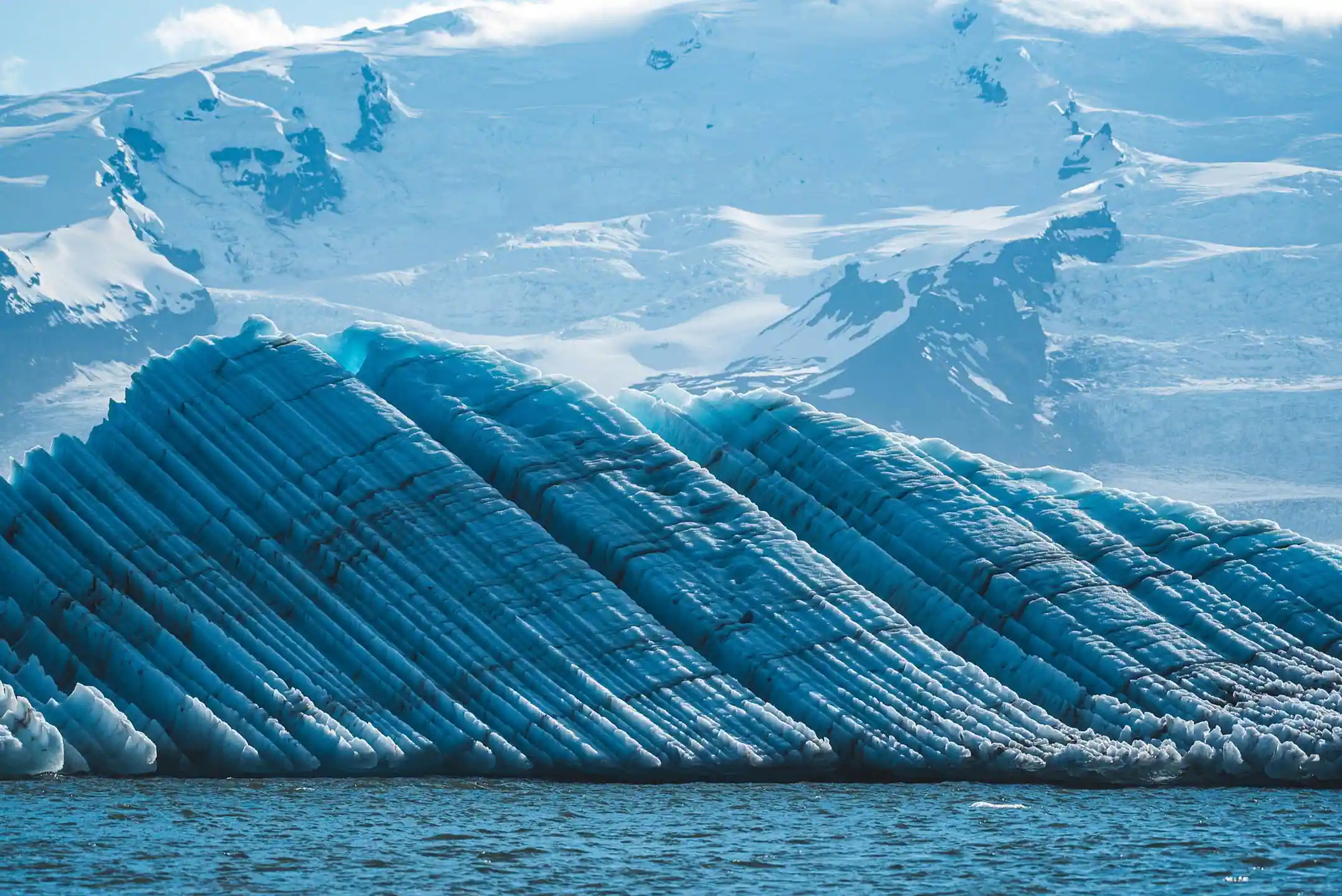
How Much Money Can You Save by Drinking Tap Water in Iceland
A typical 500 millilitre bottle of water in Iceland costs around 350 to 450 ISK, which is about 2.5 to 3.5 dollars. Many tourists buy three bottles per day without thinking about it. Over a ten day trip that is roughly thirty bottles and often more than 9,000 ISK, close to 70 dollars, spent on water you could have taken from the cold tap for free.
Instead, bring a reusable bottle, refill it from the cold tap and keep that money for food, activities or hot springs. Many travelers combine this habit with shopping at
Bónus supermarket Iceland
to keep daily costs low.
Why You Can Safely Drink Tap Water in Iceland
Cold tap water in Iceland usually starts as rain or snow that fell years or even decades ago. It travels slowly through layers of porous volcanic rock, which act as a natural filter. By the time the water reaches municipal reservoirs, it is already very clean.
Many towns use protected springs and deep underground sources, which keeps surface pollution away from drinking supplies. Combined with strict environmental regulations, this makes it safe to drink tap water in Iceland in almost every town and village.
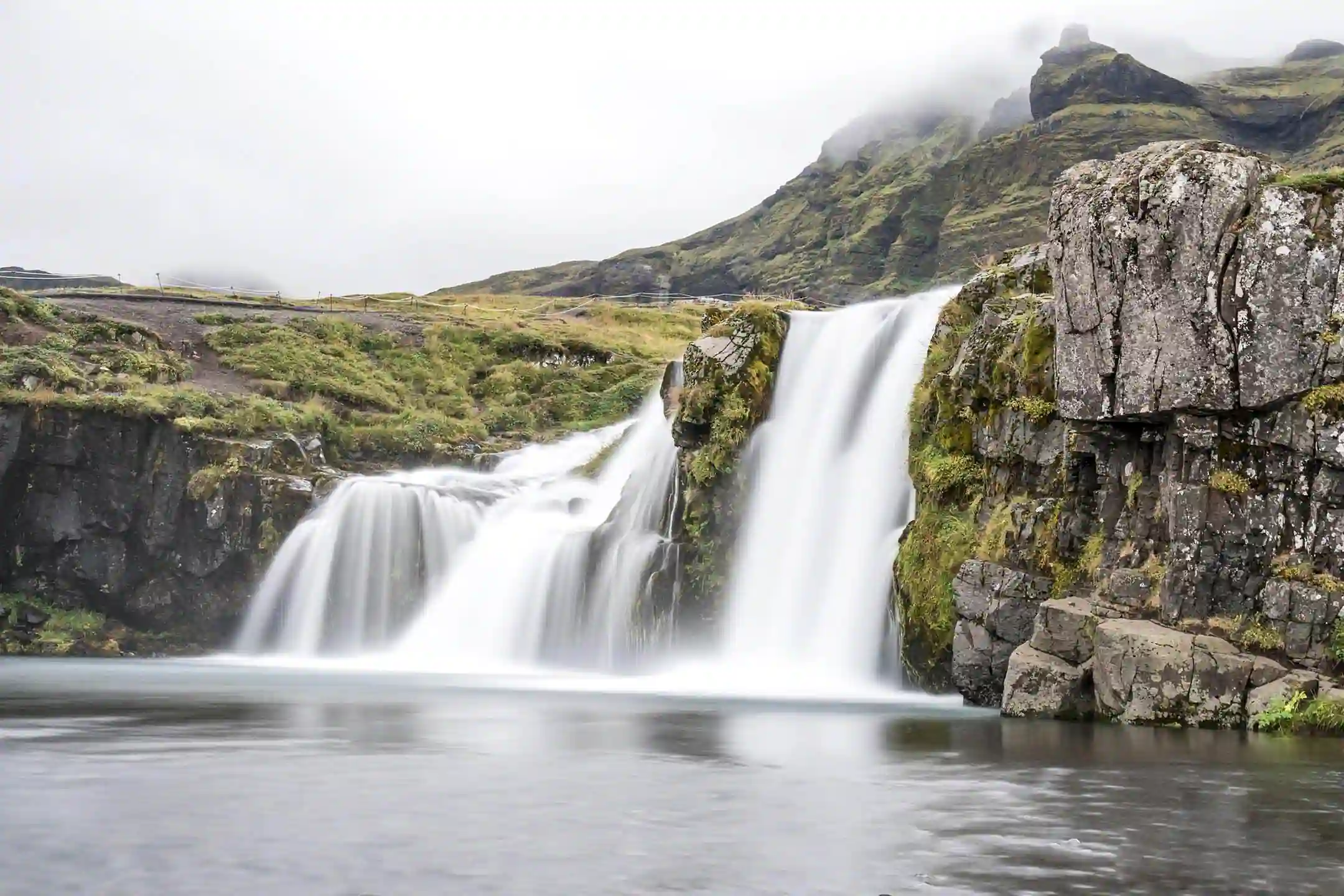
The Sulfur Rule: Hot Water Versus Cold Drinking Water
One of the first things many visitors notice is that hot water in sinks and showers sometimes smells like eggs. This is normal in Iceland and comes from natural sulfur in geothermal water, not from pollution or hygiene problems.
Why Only Cold Tap Water Is for Drinking
Cold water comes from glacial and spring sources and is ideal for drinking. Hot water is piped directly from geothermal boreholes and is designed for heating and bathing. It is safe for showers but not recommended for drinking because of its mineral content and taste. When you drink tap water in Iceland, always use the cold tap.
| Feature | Cold Tap Water | Hot Tap Water |
|---|---|---|
| Source | Glaciers, springs and protected groundwater | Geothermal boreholes deep underground |
| Taste and smell | Fresh, clean and neutral | Mineral rich with a sulfur scent |
| Recommended use | Safe to drink throughout Iceland | Bathing, showers and heating only |
The Ten Second Cold Water Rule
Before filling your glass or bottle, turn the tap to cold and let the water run for a few seconds. As the pipes clear, the temperature drops and you start receiving fresh water from the main supply.
Where You Can Refill and Drink Tap Water in Iceland
Once you know that cold tap water is safe, refilling becomes easy and convenient across the country.
- Hotels and guesthouses provide safe cold tap water in bathrooms and common areas.
- Restaurants and cafés will serve tap water on request and often refill bottles for free.
- Campsites and campervan service points offer drinking quality water suitable for bottles and tanks.
- Public buildings and swimming pools usually have cold taps unless marked otherwise.
Fast Moving Streams Only
In rural and highland areas, some travelers drink from natural streams. Choose clear, fast moving water and avoid still ponds or areas near farms. This approach reduces risk even in a very clean country like Iceland.
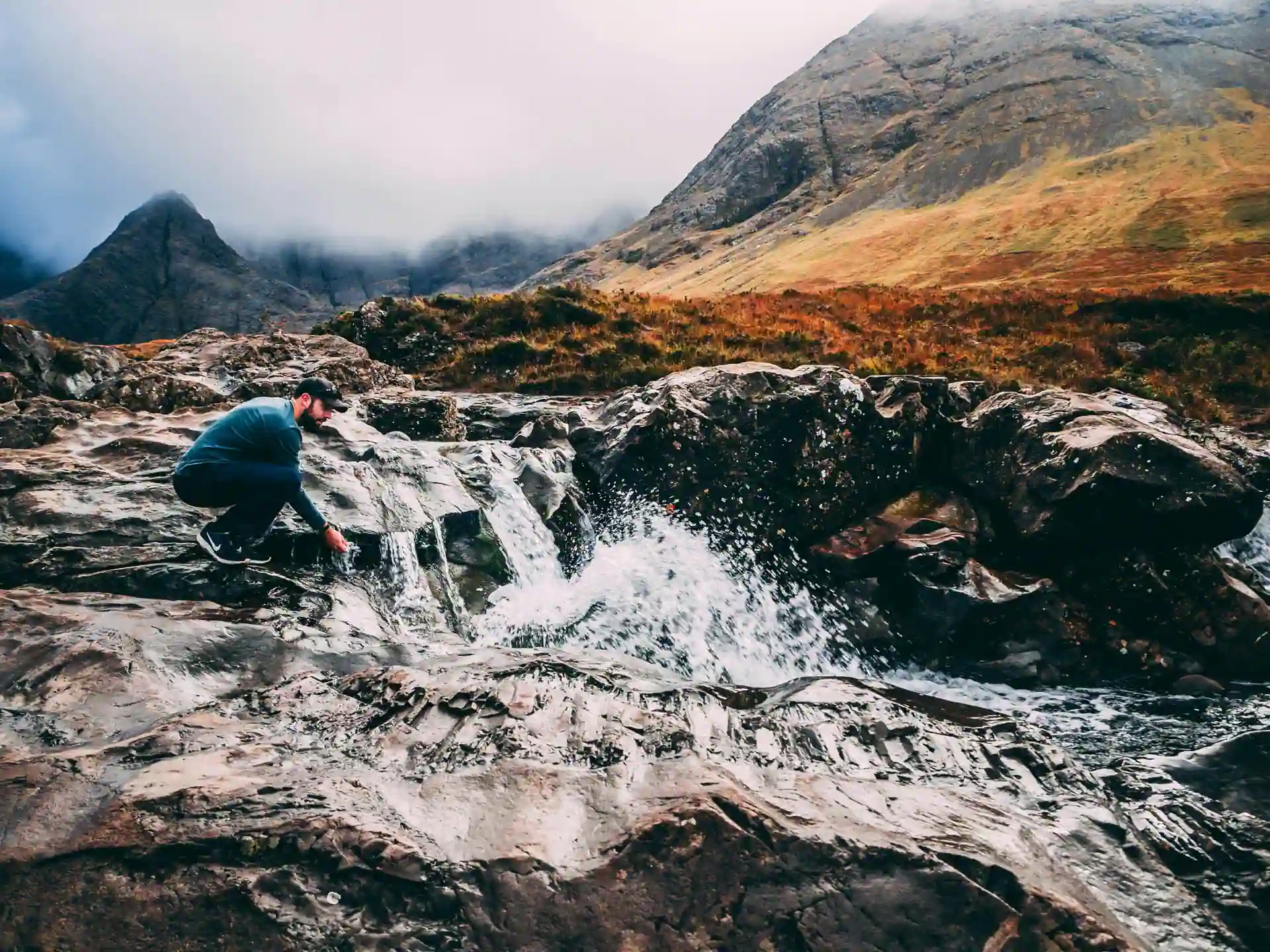
Where You Should Not Drink Water in Iceland
Although you can drink tap water in Iceland almost everywhere, a few situations require caution.
- Geothermal hot springs are for bathing, not drinking.
- Milky grey glacial rivers contain fine sediment and are unsuitable for drinking.
- Still ponds and small pools may contain bacteria.
- Unmarked hoses in car parks may be intended for cleaning or industrial use.
A Simple Taste Test Challenge
Pour one glass of cold tap water and one glass of bottled water. Let both reach the same temperature, then taste them blindly. Many visitors prefer the tap water.
Drink Tap Water in Iceland and Travel More Sustainably
Choosing tap water reduces plastic waste, lowers costs and supports Iceland’s environmental values. It also pairs naturally with budget travel strategies such as
reducing campervan trip costs in Iceland.
When you drink tap water in Iceland, you follow local habits and enjoy one of the country’s purest natural resources.