

Icelandic Horse: Small, Strong and Uniquely Icelandic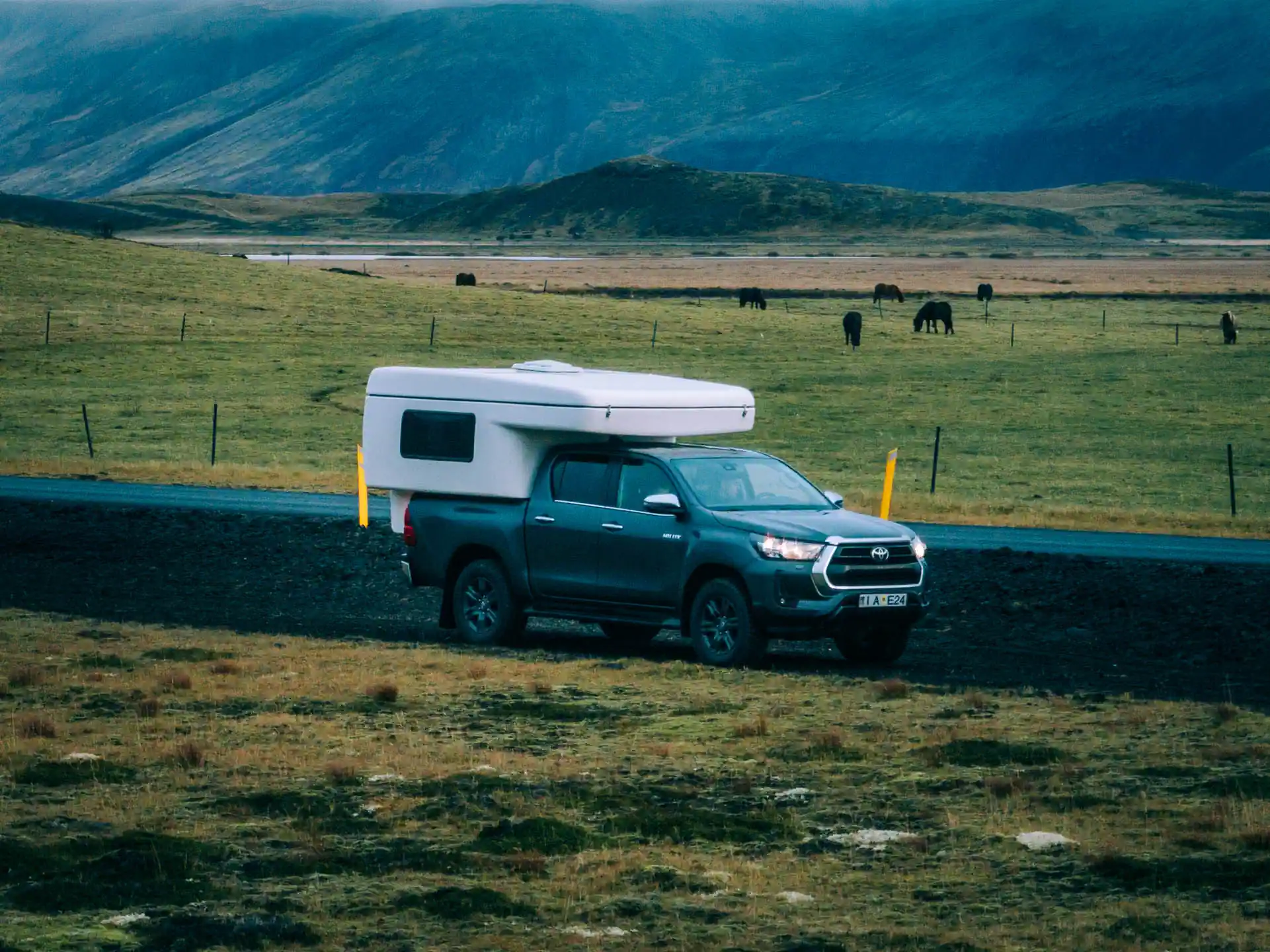
Long before you see your first glacier or volcano, there is a good chance you will see an Icelandic horse standing on a hill, mane blowing sideways in the wind. They are small, strong and impossibly calm, as if the weather and the wild land around them are old friends. Meeting an Icelandic horse feels less like seeing livestock and more like being introduced to one of the island’s oldest inhabitants.
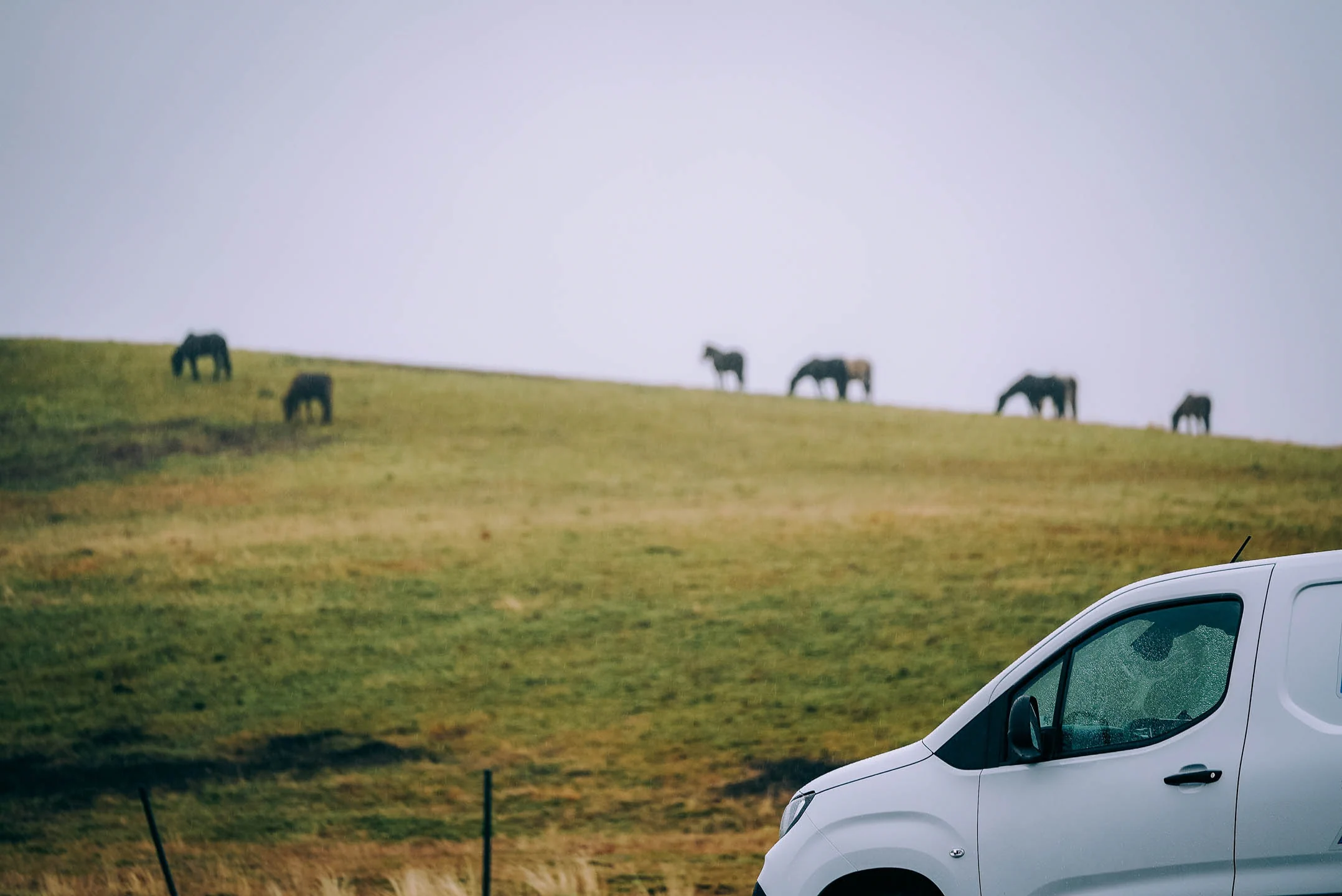
Maybe you pull your campervan into a lay by and step out into the chill air. A few horses lift their heads, ears pricking as they watch you. They do not bolt. Instead they walk closer, hooves soft on the mossy ground, curious eyes reflecting mountains, sea and sky all at once. In that moment, your Iceland trip suddenly has a heartbeat.
Internal links: If you want to meet the Icelandic horse away from bus crowds, a campervan makes it easy to stop at small farms and quiet valleys.
Compare vehicles on our
Iceland campervan and 4x4 rentals page
and plan your route with our
10 day Iceland Ring Road itinerary.
For practical riding safety and general travel advice, you can read more on Visit Iceland.
Quick Facts About The Icelandic Horse
- Origin: Brought to Iceland by Norse settlers over 1,000 years ago.
- Size: Around 130 to 145 cm at the withers, small but powerful.
- Gaits: Up to five gaits, including the famous tölt and flying pace.
- Population: Roughly 80,000 Icelandic horses in Iceland.
- Breed purity: No other horse breeds may be imported, and Icelandic horses that leave can never return.
What Makes The Icelandic Horse So Unique
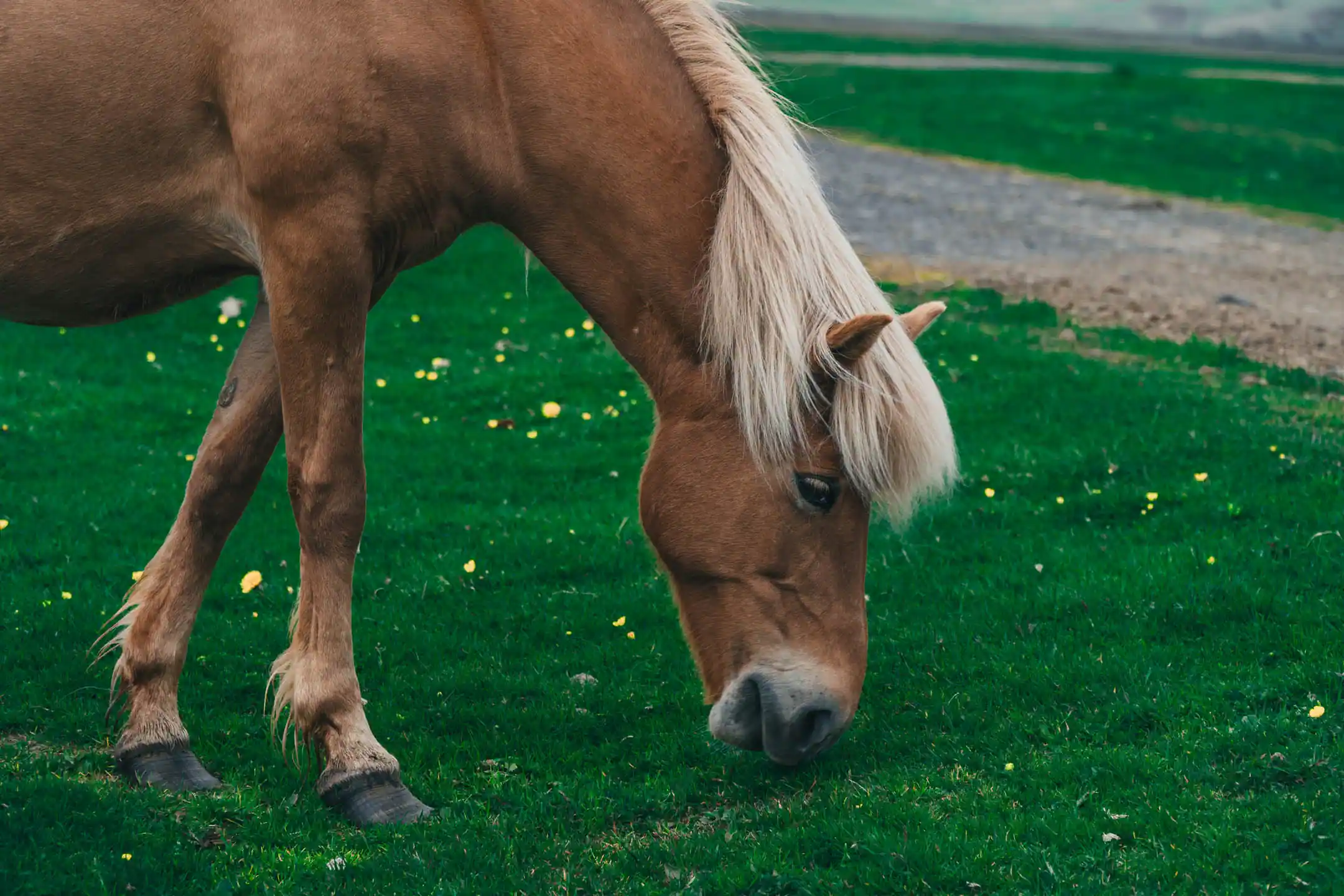
At first glance the Icelandic horse looks almost like an oversized pony, with a thick mane that falls over kind eyes.
Spend even a few minutes around them and you realise there is a different energy at work.
These horses are compact but incredibly strong, built for a landscape of lava, rivers and snow rather than manicured paddocks.
Small In Size, Big In Strength
Centuries of living in a harsh climate shaped the Icelandic horse into a sturdy, muscular animal.
They carried farmers, mail and supplies across rough ground long before roads existed.
Even today, riders trust them to cross rivers, climb hillsides and handle narrow, uneven tracks with sure footed confidence.
The Famous Tölt And Other Gaits
Most horse breeds move in walk, trot, canter and gallop.
The Icelandic horse adds extra magic.
Many can move in five different gaits, including the smooth and celebrated tölt.
In tölt the horse glides forward in a four beat rhythm where at least one hoof is always on the ground.
Riders sit almost still in the saddle while the landscape rolls by.
Some horses also have a flying pace, a fast lateral gait used in competitions and races.
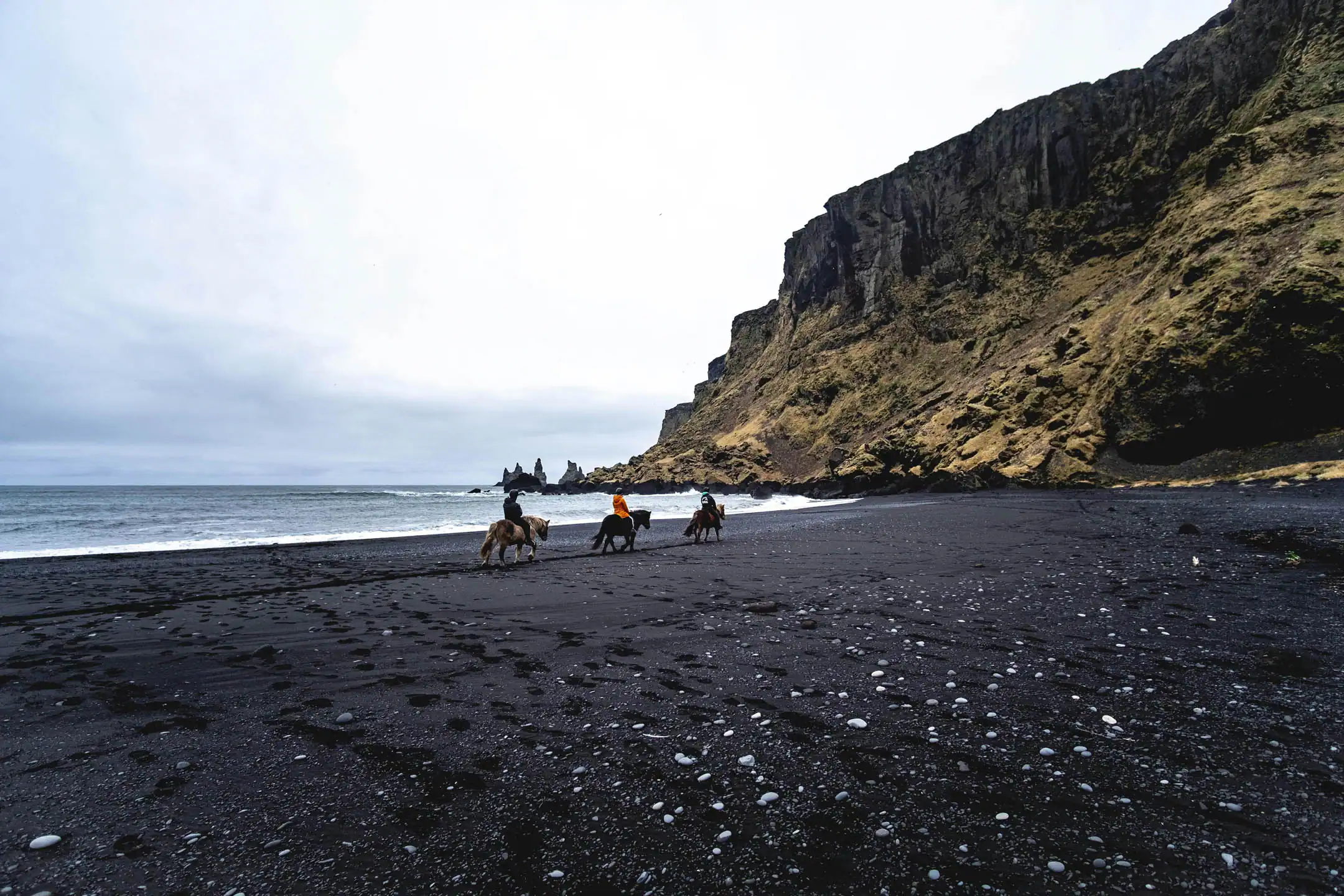
Watching a group of Icelandic horses tölt across a black sand beach or along a riverside trail is one of the quietly unforgettable sights of a trip here.
A Pure Breed Guarded By An Island
Because Iceland is so isolated, the Icelandic horse stayed genetically pure for centuries.
For more than 1,000 years no other horse breeds have been allowed to enter the country.
The rules are strict.
Once an Icelandic horse leaves Iceland, it can never come back.
This protects the herd from disease and keeps the breed’s unique traits intact.
Built For Weather, Not Stables
An Icelandic horse wears its weather protection like armor.
A dense undercoat traps body heat while a long outer coat sheds rain and snow.
In winter they fluff up into shaggy shapes that seem almost too round, yet underneath they are lean and powerful.
Wind that would make most people retreat indoors hardly seems to bother them.
The Icelandic Horse In History And Myth
The story of the Icelandic horse begins with the first settlers who sailed from Norway and the British Isles in the ninth century.
They brought sturdy horses in their longships, knowing that survival in a new and unknown land would depend on strong animals as much as human hands.
Those early horses pulled ploughs through rocky soil, carried people across unbridged rivers and helped families move between isolated farms and tiny coastal communities.
Over time they walked into the country’s stories as well.
Sagas tell of loyal horses that carried warriors, kings and messengers through long winters.
In folklore, some horses cross the line between reality and legend.
There are tales of ghostly riders, shape shifting spirits and sea horses that lure travelers toward the waves.
Today, the Icelandic horse appears on postcards, in children’s books and in art, a living thread connecting modern life to Viking roots.
Riding And Meeting Icelandic Horses Today
For visitors, the easiest way to get close to an Icelandic horse is to join a short riding tour or visit a farm.
You do not need to be an expert.
These horses are known for their calm, friendly nature and many are trained specifically for beginners.
Trail Rides Through Real Icelandic Landscapes
Riding tours are available all over the country.
You can follow gentle tracks along a river, cross old lava fields or ride at the water’s edge on a quiet beach.
On some multi hour or multi day rides you can experience the tölt for long stretches, letting the horse’s smooth movement carry you further than your feet would go.
Farm Visits And Demonstrations
Many family run farms invite guests to meet their Icelandic horses, learn basic handling and watch short demonstrations of the different gaits.
This is a good option if you want to stay on the ground, take photos and hear stories about how each horse grew up and trained.
A Note On Icelandic Horse Meat
For some visitors, it is surprising to learn that the Icelandic horse is also part of the traditional food culture.
In rural areas, horses were valued working partners but also an important source of meat when winters were long and resources limited.
Today, horse meat is still eaten in Iceland, usually in specific cuts and dishes at selected restaurants and butchers.
It is treated with respect and viewed as part of a long survival story rather than a casual choice.
You can decide for yourself whether to try it, but knowing this background can make that decision more thoughtful and informed.
Fun Facts About The Icelandic Horse
- Never called a pony: Even though they are small, Icelanders always call them horses, a sign of respect for their strength and character.
- No return policy: If an Icelandic horse leaves Iceland for competition or breeding elsewhere, it can never come back due to strict disease control rules.
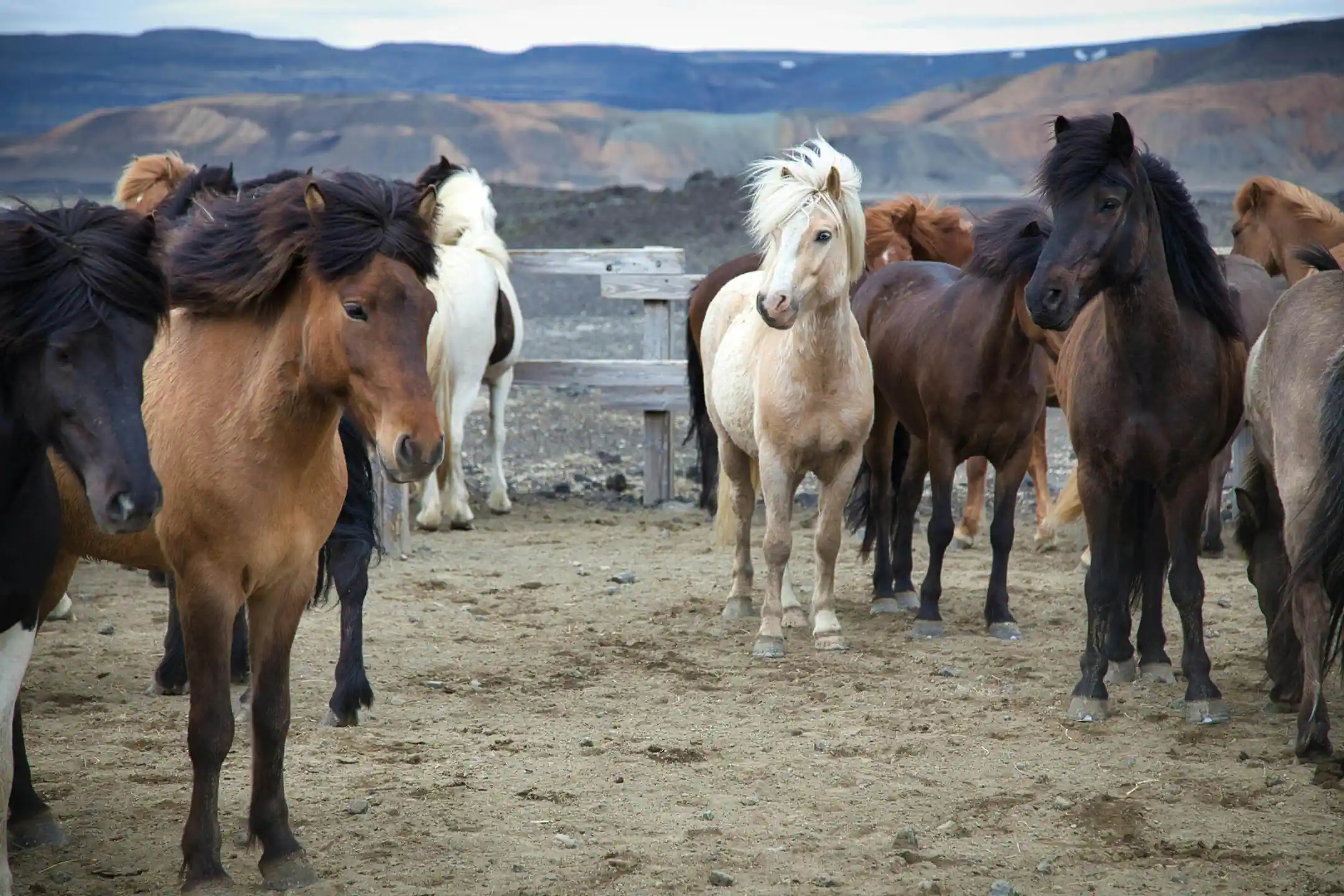
- Many colours: The breed appears in more than 40 colours and 100 shade variations, from deep black and bright chestnut to dappled grey and pale cream.
- All purpose partners: The same horse might carry children on calm farm rides and compete in tölt competitions on another day.
- Strong memories: Riders often say that each Icelandic horse has a distinct personality, and that they remember routes and people for years.
Seeing Iceland From The Saddle
Driving Iceland’s roads lets you collect views like postcards.
Riding an Icelandic horse turns those views into experiences you feel in your muscles and your breath.
You smell the wet grass, hear hooves on stone, and watch mist drift over distant hills from just a little closer to the land.
You do not have to sign up for a full day ride.
Even a one or two hour tour can shift how you relate to the landscape.
Instead of looking at Iceland through a windscreen, you move at the pace of a horse, the way people have travelled here for a thousand years.
Final Thoughts: Meeting Iceland’s Most Faithful Companion
Glaciers, waterfalls and black sand beaches may dominate your photos, but long after you leave, it might be the memory of an Icelandic horse that stays with you.
The quiet way it breathed warm air into your hands, the steady look in its eyes, the feeling of trust as it carried you across a field that seemed too wild to walk alone.
Small but mighty, the Icelandic horse is more than a symbol.
It is a living partner in Iceland’s story of endurance and adaptation.
If your route takes you past a farm or stable, take the time to stop, say hello and, if you can, ride for a while.
It is one of the simplest and most human ways to connect with Iceland itself.