


Sheep In Iceland: Why There Are More Sheep Than People
If you are planning a road trip and you keep reading that there are more sheep in Iceland than people, that is not an exaggeration.
Around 470,000 sheep live on this island while the human population sits at roughly 370,000.
These tough, wool covered animals are part of the landscape, the menu and the national story.
From hand knitted sweaters to autumn roundups, Icelandic sheep touch almost every part of rural life.
Understanding their role gives you a deeper connection to the fields and farms you pass on your journey.
Internal links: Exploring the countryside by campervan is one of the easiest ways to see sheep in every region.
Compare vehicles on our
Iceland campervan and 4x4 rentals page
and match this guide with our
10 day Iceland Ring Road itinerary.
Outbound links: For more background on farming and safety rules that protect animals, you can read general guidance on
Visit Iceland.
Why There Are So Many Sheep In Iceland
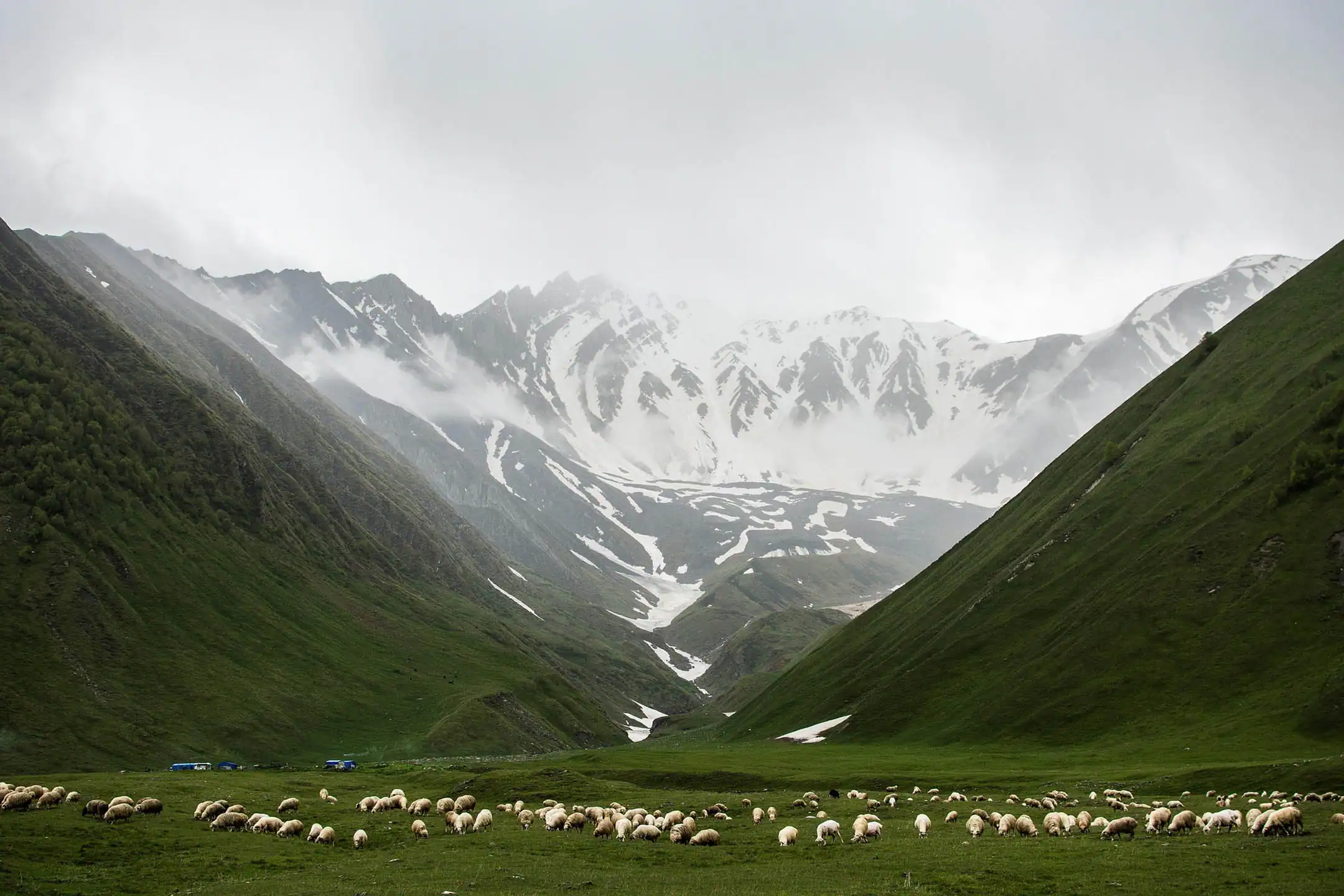
Iceland’s cool climate and wide open grazing land work very well for sheep.
Since the settlement era more than a thousand years ago, farmers have relied on sheep in Iceland for wool, meat and milk.
Farms were often small and remote, so sheep became a key support for families who needed warm clothing and reliable food.
Icelandic sheep are well adapted to rough ground and fast changing weather.
They use hillsides, valleys and highland plateaus that are not ideal for crops.
As a result, sheep farming became one of the most practical ways to use the land and still plays that role today.
The Icelandic Sheep: A Unique Northern Breed
The Icelandic sheep is a special breed that arrived with the first Norse settlers and stayed mostly unchanged because the country is so isolated.
This gives them several distinct traits.
- Double layered wool: A soft inner layer keeps warmth close to the body while a longer outer layer sheds rain and snow. This combination is ideal for traditional Icelandic sweaters.
- Hardy nature: Sheep in Iceland cope with strong winds, sudden storms and cold temperatures that would challenge many other breeds.
- Free ranging habits: During summer months many flocks roam freely in the highlands and remote valleys, choosing their own grazing routes.
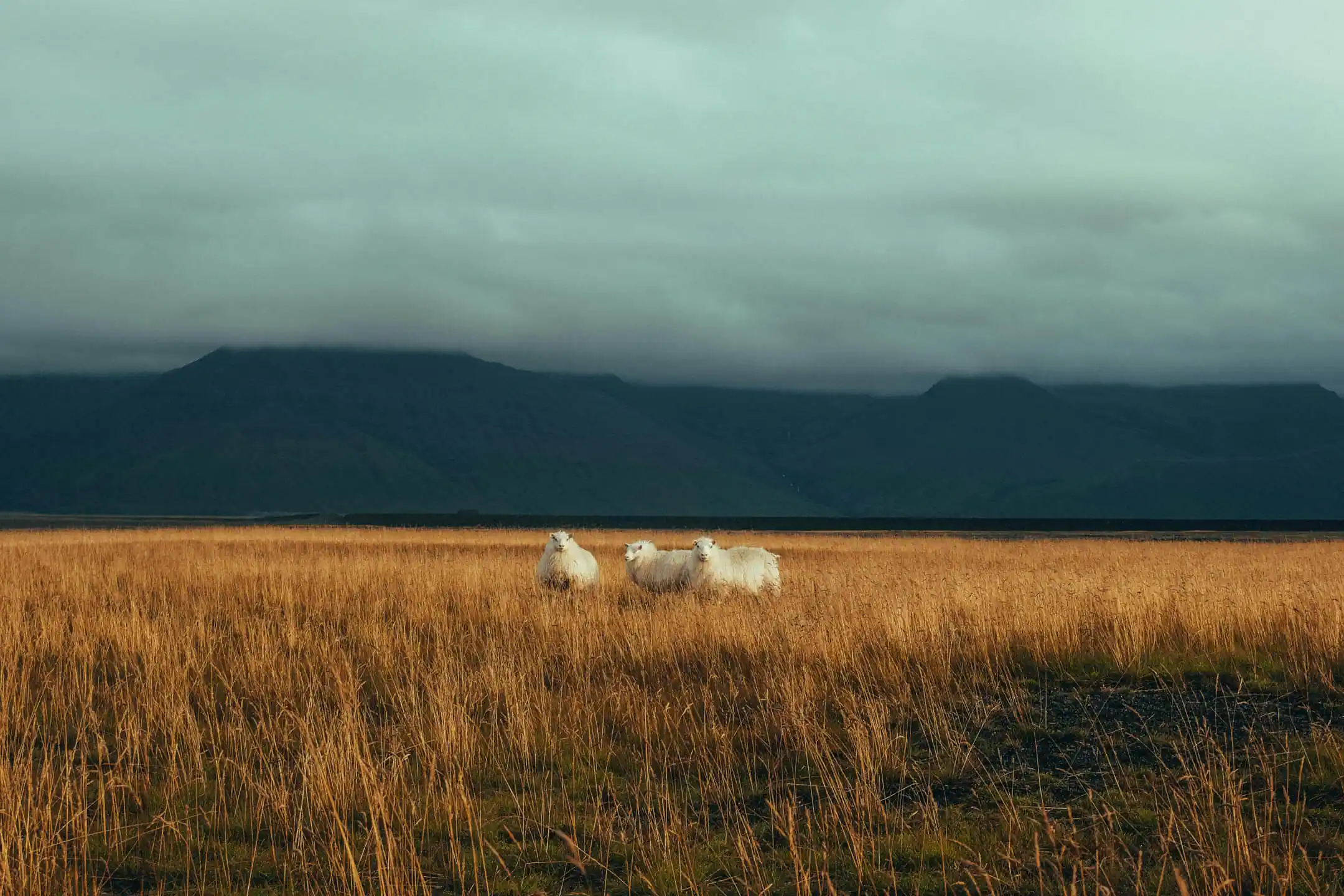
- Color variety: You will see white, black, brown and spotted sheep across the countryside, sometimes all in a single flock.
Sheep Farming Traditions In Iceland
Sheep farming has shaped rural culture, work patterns and social life for centuries.
Many traditions still follow the old seasonal rhythm of moving sheep in Iceland between highlands and lowlands.
- Summer grazing: In late spring or early summer farmers guide their sheep to mountain pastures and highland plains. The animals then spread out and graze freely.
- Autumn roundup – Réttir: In September and early October communities come together for réttir, the sheep roundup. Farmers, friends and volunteers ride horses or walk into the hills to gather flocks and sort them by owner in stone pens.
- Community role: Réttir is part hard work and part celebration, with music, food and socialising once the animals are safely back in the lowlands.
- Winter care: Through winter sheep stay in sheltered fields and barns closer to the farms, where they receive stored hay and extra care during storms.
Where You Will See Sheep In Iceland
If you travel by car or campervan, you will notice sheep in Iceland almost everywhere outside the capital area.
Knowing where to look makes it even easier.
- Roadside fields: Fenced pastures along the Ring Road and smaller side roads often hold small groups of grazing sheep.
- Coastal valleys: Fertile lowlands in the south and west support many family farms and flocks.
- Highland slopes: In summer you may see small dots of white and brown scattered high above you where flocks roam on their own.
- Near farm stays: Guesthouses and farm hotels usually keep sheep close by, which makes them easy to watch or photograph at a relaxed pace.
Always drive carefully whenever you see fields or hillsides with animals.
Sheep sometimes slip through fences and wander across the road without warning.
Products Made From Icelandic Sheep
The wool and meat from sheep in Iceland support many well known local products that you will see in shops and menus.
- Lopapeysa sweaters: Traditional knitted sweaters with circular yokes, made from untreated Icelandic wool. They are warm, light and naturally water resistant.
- Icelandic lamb: Grass fed lamb is considered one of the country’s finest foods, often grilled, roasted or used in hearty stews.
- Wool goods: Blankets, hats, scarves and mittens fill small craft shops and design stores. Many are made in rural areas close to the farms.
- Lanolin skincare: Natural oils from sheep wool are used in creams and balms that protect skin from cold and wind.
Fun Facts About Sheep In Iceland
- Sheep currently outnumber people by roughly 1.3 to 1, a ratio that surprises many visitors.
- Most Icelandic sheep are tagged and recorded so farmers know exactly which animals belong to which farm.
- Some sheep wander so far during summer that farmers do not see them again until the autumn roundup.
- Sheep appear in Icelandic literature, children’s stories and on older coins, highlighting their importance in daily life.
- The sight of small lambs jumping in spring fields is considered one of the signs that winter is finally over.
How To Respect Sheep While You Travel
Sheep farming is a livelihood, so treating animals and farmland with respect is important.
Simple habits help protect both sheep in Iceland and your own safety.
- Drive slowly near animals: If you see sheep close to the road, reduce your speed and be ready to stop. Sheep often choose to run across the road at the last second.
- Do not chase or feed sheep: Sudden movements or attempts to get very close can stress animals and annoy farmers.
- Ask before entering fields: Many good photo spots sit on private land. Always ask permission if you need to cross fences or gates.
- Leave gates as you find them: If a gate is closed, close it again after you pass through. If it is open, leave it open so animals can move where the farmer expects.
Ways To Experience Sheep Culture First Hand
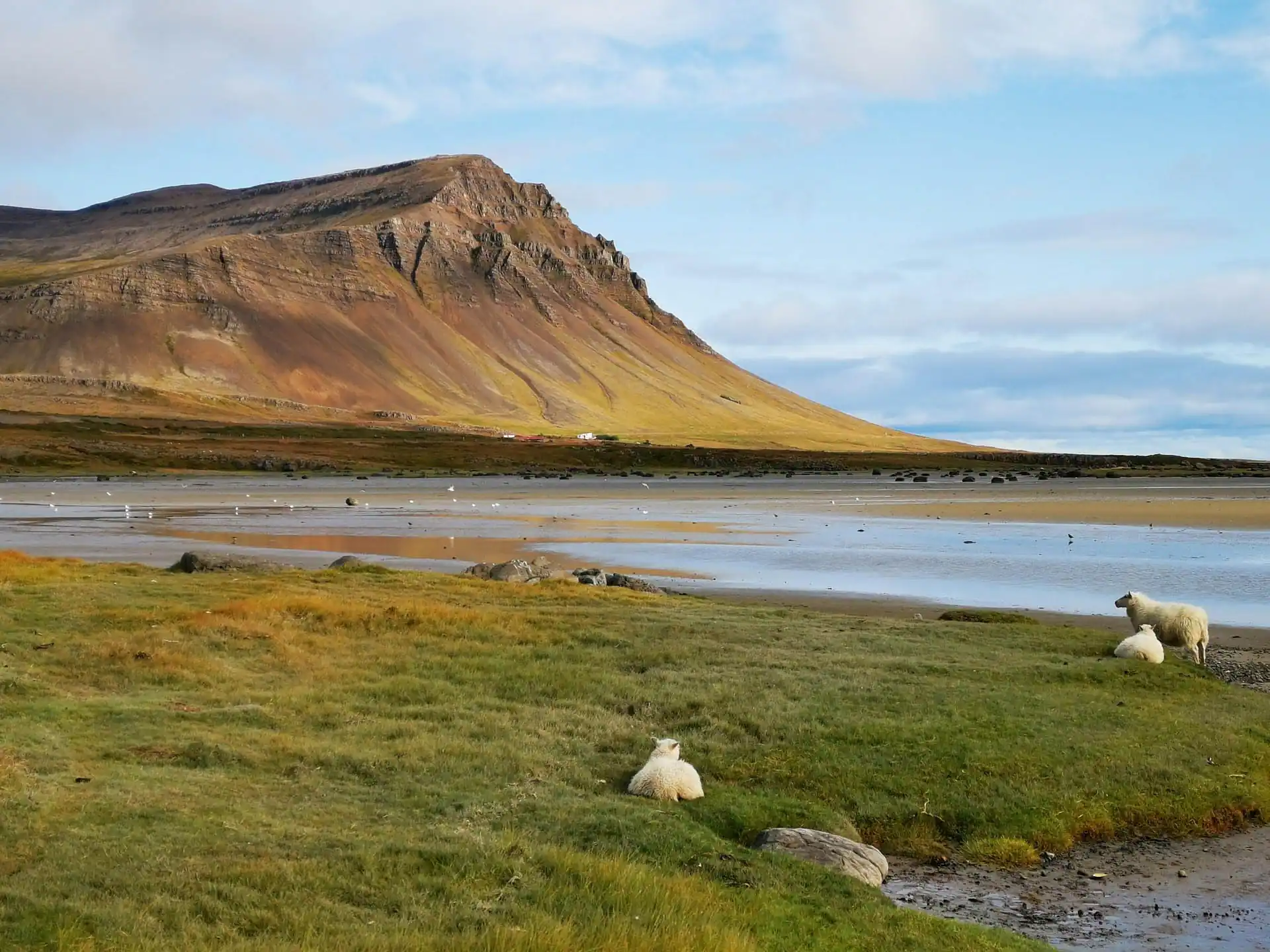
If you want to go beyond simply watching sheep in Iceland from your campervan window, there are several ways to learn more.
- Visit during réttir: Travelling in September or early October gives you a chance to see or even join a traditional roundup. Ask local tourist offices or farm stays for dates.
- Stay on a farm: Many guesthouses on working farms let guests see daily sheep care, learn about wool production and sometimes help with simple chores.
- Buy directly from makers: Small studios and markets around the country sell sweaters, blankets and crafts made from local wool, often with the name of the farm on the label.
- Try local lamb dishes: Restaurants and countryside cafes often highlight Icelandic lamb on the menu, from simple lamb soup to slow cooked roasts.
Sheep As A Symbol Of Iceland
More than just livestock, sheep in Iceland represent qualities that many people associate with the country itself.
They are tough, independent and closely tied to the land.
Generations of families survived long winters and poor harvests thanks to these animals.
As you drive through wide valleys or cross lonely highland stretches, the sight of small flocks reminds you that life has adapted here for more than a millennium.
Sheep quietly tell the story of how people and animals shaped Iceland together.
Final Thoughts: Sharing The Road With Iceland’s Woolly Residents
When you explore Iceland by road or campervan, you share the landscape with hundreds of thousands of animals.
Taking a moment to notice the sheep in Iceland - how they move, graze and shelter from the wind - adds another layer to your trip.
Next time you stop at a viewpoint, look beyond the lava and glaciers to the hillsides dotted with woolly shapes.
Those sheep are part of what makes Iceland feel both wild and lived in, ancient and very much alive.