


Northern Lights in Iceland: When, Where and How to See Them
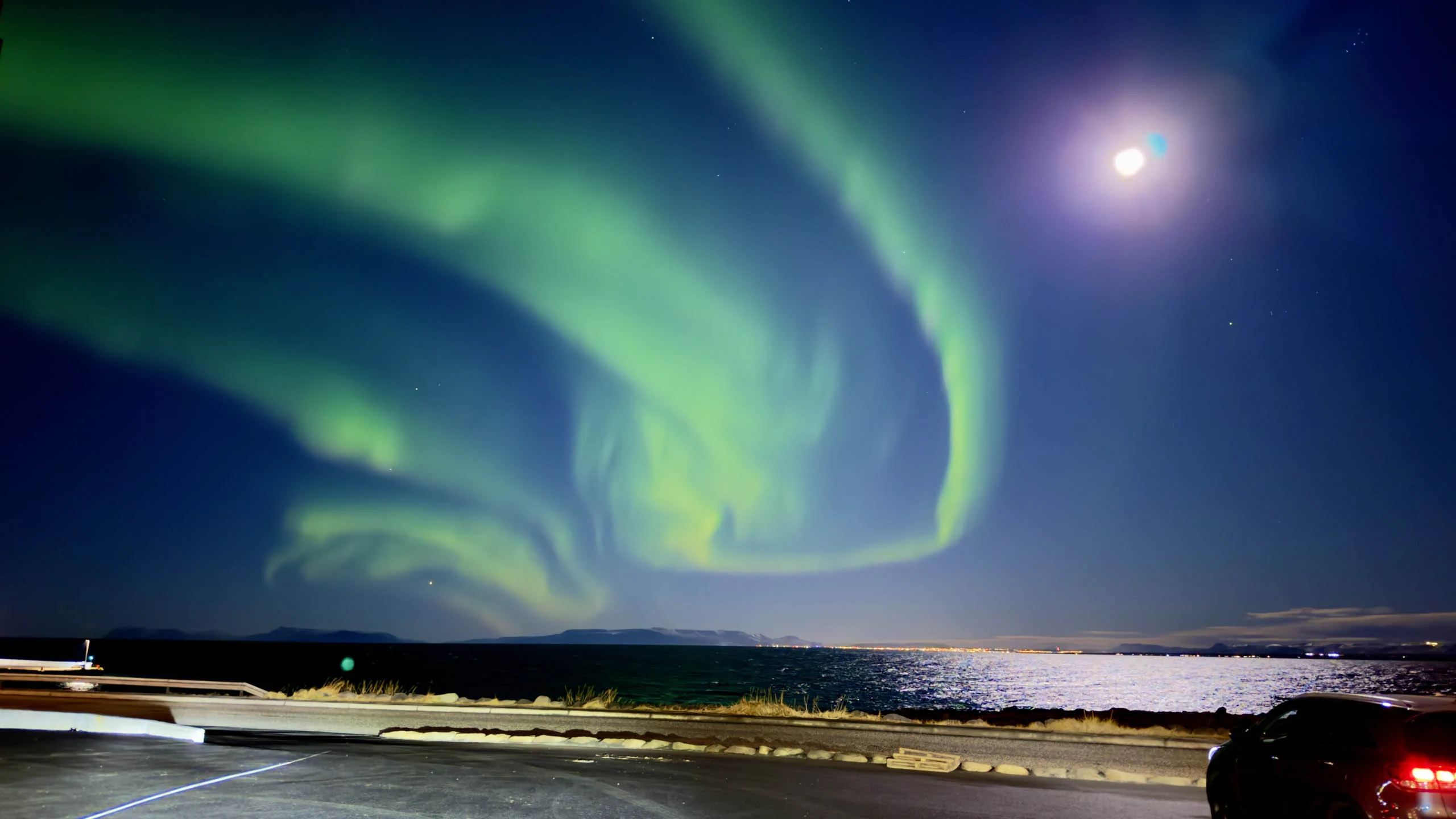
The Northern Lights in Iceland are one of the main reasons many people visit the country. Green, pink and purple lights can move and shimmer across the night sky, turning an ordinary evening into something unforgettable. However, the aurora is a natural phenomenon, so there is no switch to turn it on. A little planning and realistic expectations make a big difference to your chances of seeing it.
Internal links: If you want to hunt the Northern Lights in Iceland with maximum freedom, it is worth considering a campervan. You can compare suitable vehicles on our Iceland campervan and RV rentals page and then combine this article with our 10 day Iceland Ring Road itinerary.
Outbound links: Before going out at night, always check conditions on Vedur.is aurora and cloud forecasts, general weather on Vedur.is, safety advice on SafeTravel Iceland and travel information on Visit Iceland.
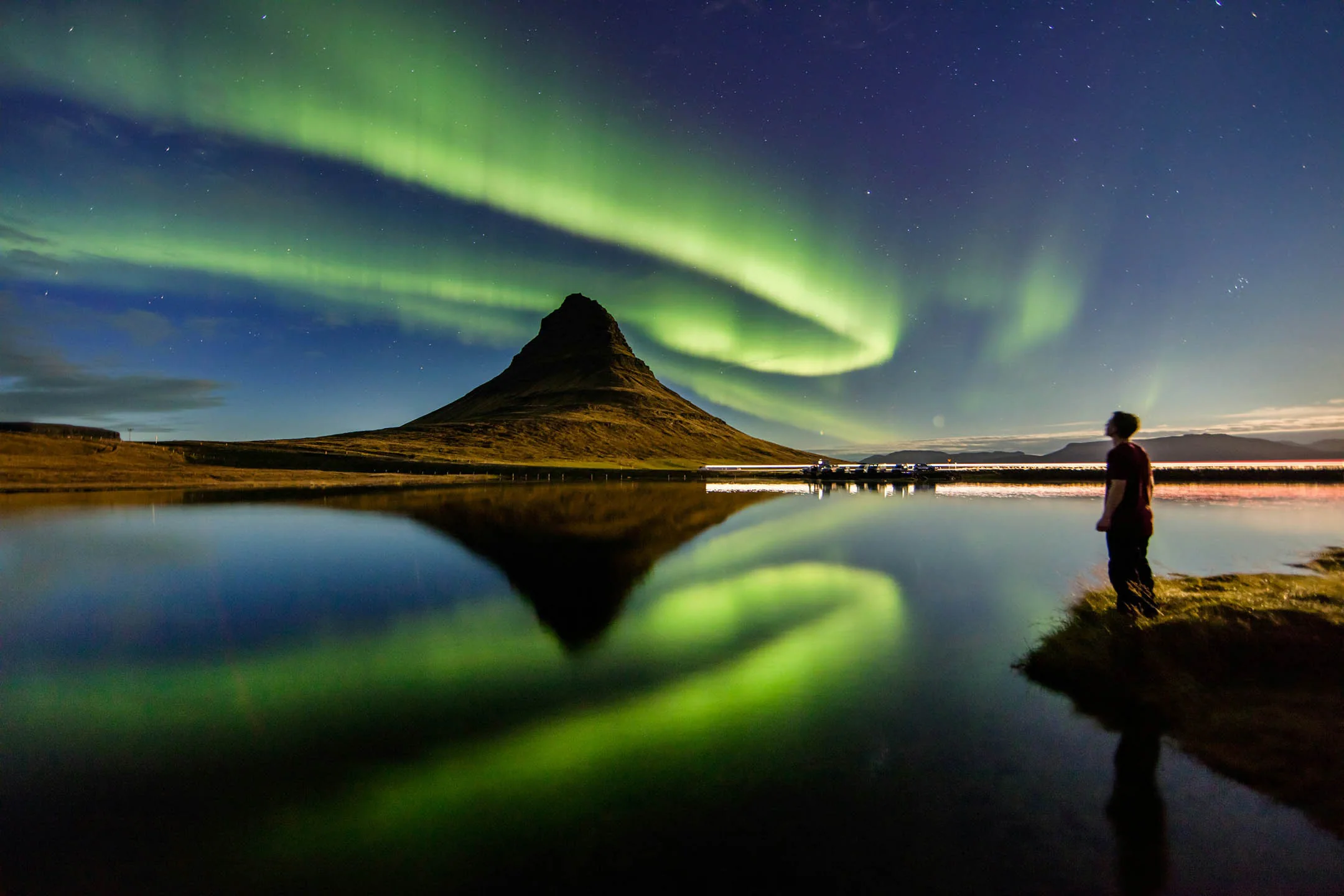
When Can You See The Northern Lights In Iceland
To see the Northern Lights in Iceland you need two simple ingredients: darkness and clear skies. That means there are long periods when it is simply not possible to see them, no matter how strong the solar activity is.
- Autumn and winter season: The main viewing season runs from late August to mid April, when nights are dark enough.
- Not visible in summer: From roughly late May to early August Iceland experiences the midnight sun. It never gets properly dark, so you cannot see the Northern Lights in Iceland during this period, even if the aurora is active above the clouds.
- No fixed best month: There is no guaranteed month. Any dark, clear night between late August and mid April can bring a display.
- Night hours: The most common viewing window is between 22:00 and 02:00, though the lights can appear earlier or later.
Where To Watch The Northern Lights In Iceland
You can see the aurora from almost anywhere in the country when conditions are right. The key is to reduce light pollution and find open views of the sky.
- Outside towns and cities: Drive a short distance out of Reykjavik or Akureyri, turn off onto a quiet side road or viewpoint and let your eyes adjust to the dark.
- Countryside campsites: Rural campsites are ideal for Northern Lights in Iceland. You can step out of your campervan, look up and head back inside to warm up between viewing sessions.
- Coastal areas and open plains: Beaches, fjords and flat valleys provide wide horizons and fewer obstructions.
- Urban locations: It is possible to see faint aurora from Reykjavik on strong nights, especially from parks or waterfront areas, but city lights make the display less vivid.
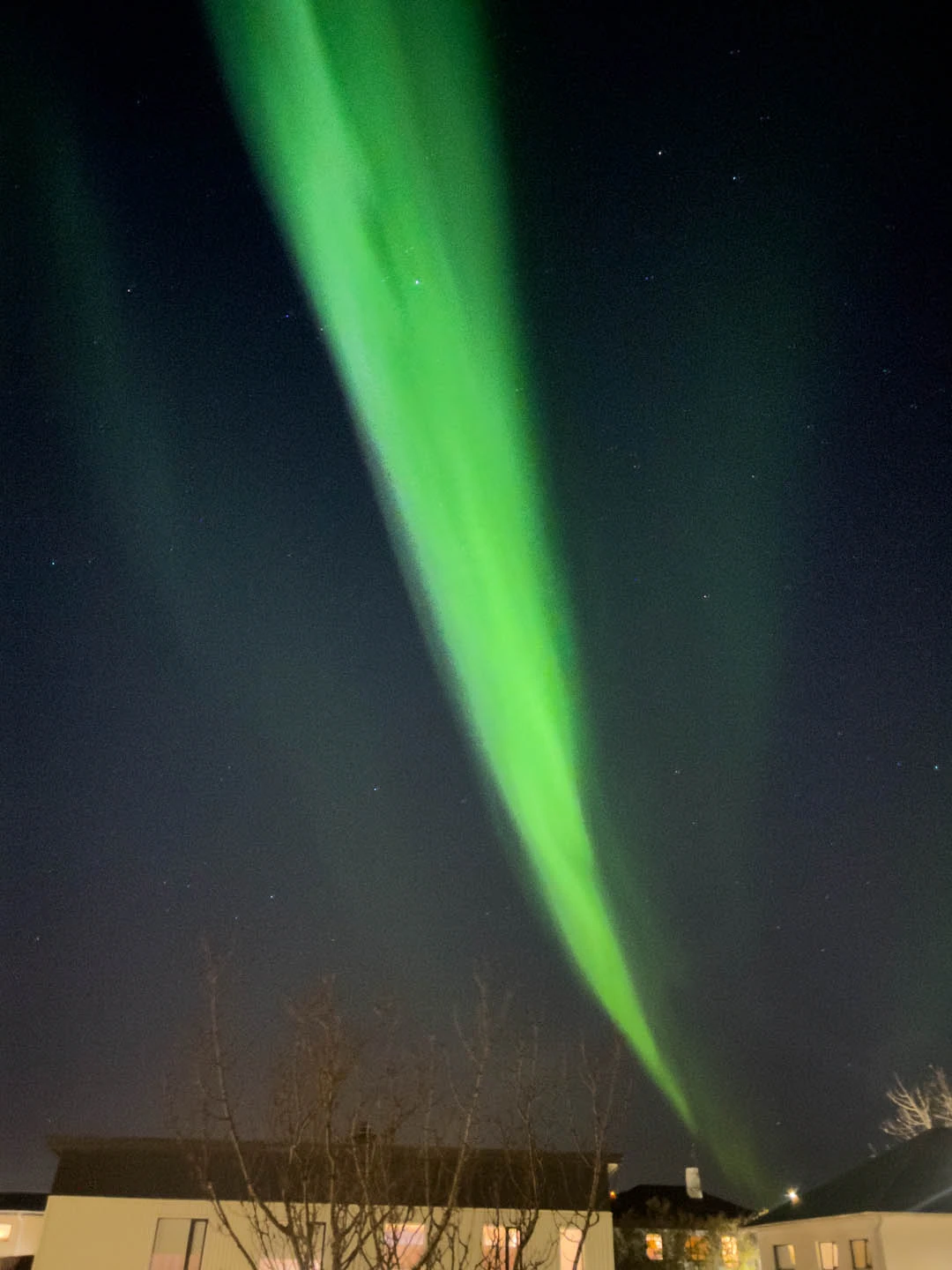
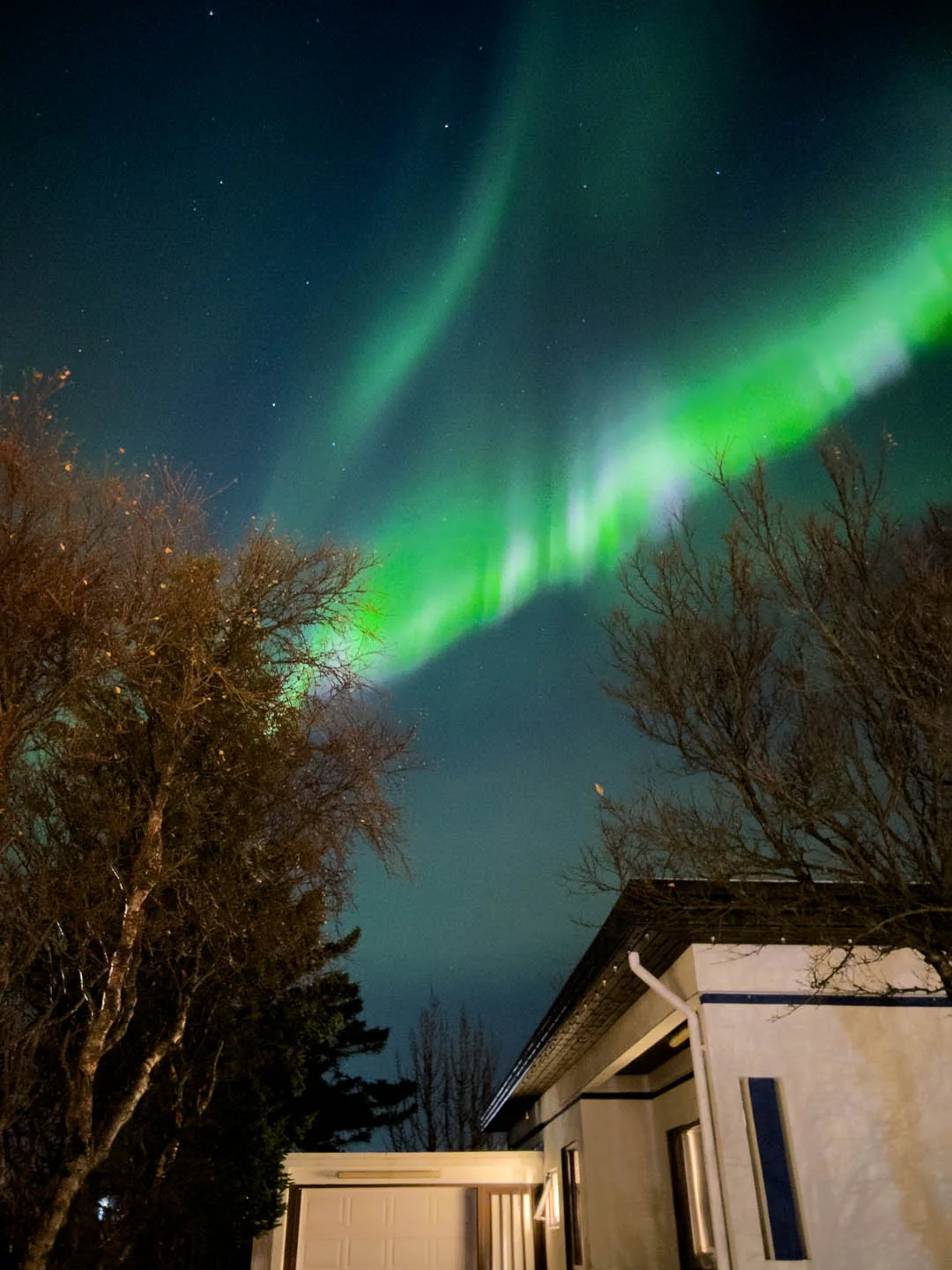
How To Increase Your Chances Of Seeing The Northern Lights
There is always an element of luck when hunting the Northern Lights in Iceland. However, a few practical steps can improve your odds.
Check Aurora And Cloud Forecasts
- Use the aurora forecast on Vedur.is to see the expected strength of the Northern Lights on a scale, often from 0 to 9.
- Check cloud cover maps on the same site. A strong aurora behind thick cloud will still be invisible from the ground.
Avoid Light Pollution
- Drive away from bright streetlights and large buildings.
- Turn off interior lights in your car or campervan and use red light on headlamps where possible so your eyes stay adjusted to the dark.
Be Patient And Dress Warmly
- Plan to stay outside or close to the door for at least one to two hours. The Northern Lights in Iceland often appear in short bursts rather than a constant show.
- Wear several layers, including a windproof outer layer, hat, gloves and insulated footwear. Standing still makes you feel the cold more quickly.
Consider A Guided Tour
- Guided Northern Lights tours use local knowledge of weather and roads to choose good viewing locations on the night.
- This can be a safe option in winter if you are not used to driving on snow or ice.
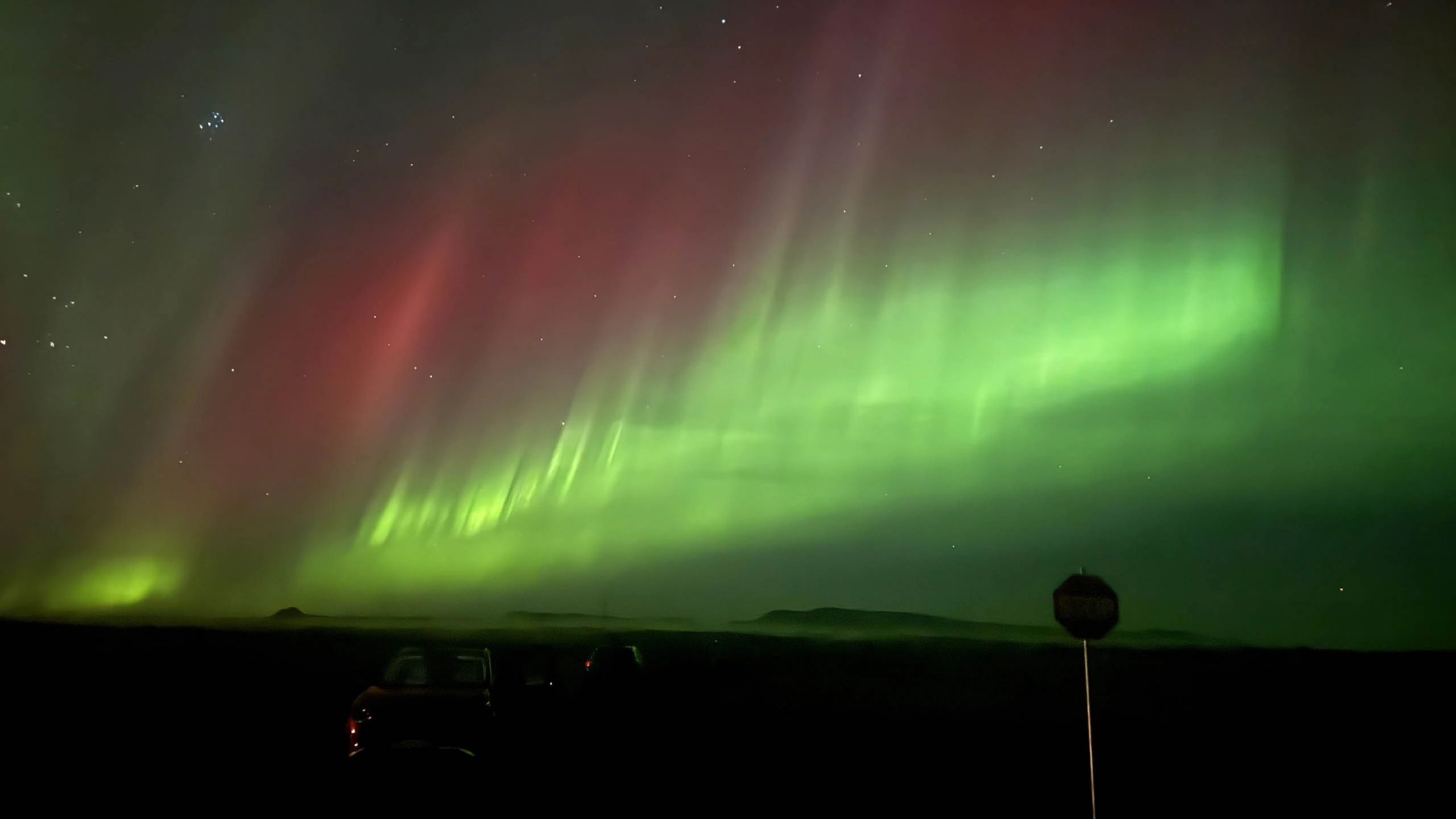
Mythical Stories Of The Northern Lights
The Northern Lights in Iceland appear in many old tales and beliefs. Traditional stories add extra layers of meaning to what you see in the sky.
- Some people once believed the lights were signs of battles between heavenly forces, with colors representing the conflict.
- Other stories link the aurora to the Valkyries or spirits guiding fallen warriors, with the shimmering lights seen as reflections from their shields.
- A common superstition warns against whistling or waving at the lights, in case they come closer and carry you away.
Today these ideas are shared more as folklore than literal belief, but they help connect modern aurora hunters with Icelandic culture and history.
Tips For Photographing The Northern Lights In Iceland
Taking good photos of the Northern Lights in Iceland requires some basic camera knowledge, but you do not need to be a professional. Practising a simple setup in daylight helps a lot.
- Use the right camera: A DSLR or mirrorless camera with manual settings works best.
- Tripod: A stable tripod is essential because you will use long exposure times.
- Aperture: Set a wide aperture such as f/2.8 or as low as your lens allows.
- ISO: Start between ISO 800 and 3200 and adjust based on how bright the aurora is and how much noise your camera produces.
- Shutter speed: Try exposures between 5 and 20 seconds. Shorter times keep fast moving lights sharper.
- Focus: Switch to manual focus and focus on a distant bright object or set focus close to infinity.
- Batteries: Bring spares and keep them warm in an inside pocket. Cold temperatures drain batteries faster.
Northern Lights In Iceland: Common Questions
Can You See The Northern Lights Every Night In Winter
No. Even in the middle of winter there are many nights when the aurora is too weak, or clouds block the sky. Some visitors see strong displays on their first night, while others need several attempts.
Do You Need Special Clothes To Watch The Northern Lights
You do not need technical expedition gear, but you do need warm layers. A thermal base layer, mid layer, insulated jacket, hat, scarf, gloves and good boots will make your Northern Lights watching in Iceland much more comfortable.
Can You See The Northern Lights In Reykjavik
Yes, you can sometimes see them from Reykjavik on strong aurora nights, especially from darker parks or the waterfront. However, light pollution reduces contrast, so displays look brighter in rural areas outside the city.
Is It Dangerous To Chase The Northern Lights
Watching from a safe roadside viewpoint or campsite is not dangerous. The risk comes from driving tired, using icy roads at night or walking into unsafe terrain. Always choose safe parking spots, avoid unmarked tracks and respect winter road warnings.
Do You Have To Join A Tour To See Them
No. Many people watch the Northern Lights in Iceland independently, especially if they have a campervan or rental car. Tours are useful if you prefer not to drive or want guides who read the weather and aurora forecasts for you.
Final Thoughts On The Northern Lights In Iceland
The Northern Lights in Iceland are never guaranteed, yet that uncertainty is part of what makes them special. You might wait on a cold hillside and see nothing, or you might look up for a moment and find the whole sky moving in green light. With realistic expectations, careful planning and flexible travel plans, you give yourself a real chance to witness one of nature’s most memorable shows.
If you want to build a trip around aurora hunting, combining a reliable campervan from North Star campervan rentals with dark rural campsites lets you step outside whenever the forecasts look promising. Plan for dark months, accept that summer is too bright for aurora viewing, watch the sky often and let patience and curiosity guide your Northern Lights journey in Iceland.