


Game of Thrones filming locations in Iceland: 2025 Travel Guide
Many of the most unforgettable scenes from the series were filmed at real Game of Thrones filming locations in Iceland. If you want to stand where Jon Snow, Arya Stark and the Wildlings once walked, this guide will show you exactly where to go, how to reach each site and what to expect when you get there.
Iceland was chosen because its landscapes already look like fantasy. Glaciers, black sand beaches and jagged lava fields needed almost no visual effects. With a rental car or campervan, you can follow the trail of the production and explore the real North of Westeros at your own pace.
Internal link: Plan your self drive itinerary with our Iceland campervan rentals.
Outbound links: Read more about official locations on Visit Reykjavik and explore practical travel information on Visit Iceland.
Table of Contents
- Why Iceland Was Chosen
- Top Game of Thrones filming locations in Iceland
- Filming Challenges
- How To Visit The Locations
- Fun Production Facts
- FAQ about Game of Thrones filming locations in Iceland
- Final Thoughts
Why Iceland Was Chosen as a Game of Thrones Filming Location
The producers needed landscapes that felt ancient, wild and unforgiving. They chose Iceland because almost every region offers a different kind of dramatic backdrop that fits the world beyond the Wall and the North of Westeros.
- Glaciers and snowfields created convincing scenes north of the Wall
- Lava fields and jagged rocks looked otherworldly without set building
- Black sand beaches added a dark, stormy atmosphere to coastal scenes
- Waterfalls, cliffs and canyons gave the show real scale and depth
In many cases, the crew only had to add actors and costumes. The land did the rest.
Top Game of Thrones filming locations in Iceland
Many key Game of Thrones filming locations in Iceland are easy to visit on a Ring Road or campervan trip. Below are some of the most recognisable sites and how they appeared on screen.
Þingvellir National Park
Scenes at the Bloody Gate and several moments from Arya’s journey with the Hound were filmed in Þingvellir. The park sits in a rift between tectonic plates, which creates deep cracks, cliffs and waterfalls that match the rugged feel of the Vale and the North.
Kirkjufell Mountain (Arrowhead Mountain)
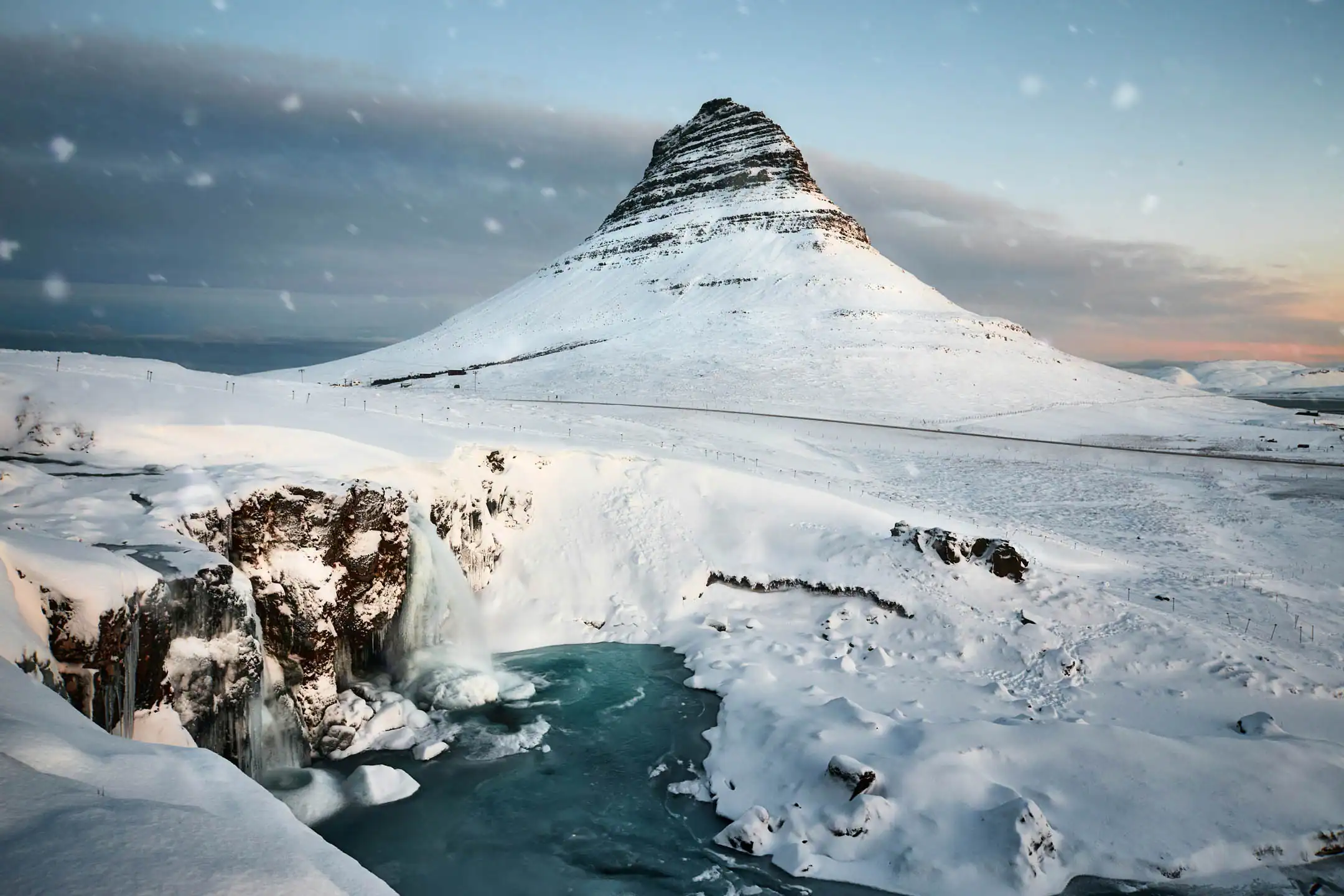
Kirkjufell on the Snæfellsnes Peninsula appears as the distinctive Arrowhead Mountain in visions and key scenes featuring Jon Snow and the Night King. The combination of the pointed peak and nearby Kirkjufellsfoss waterfall makes it one of the most photographed spots in the country.
Lake Mývatn And Dimmuborgir Lava Fields
The strange lava formations north of Lake Mývatn were used as the Wildling camp and the jagged landscapes beyond the Wall. Walking through Dimmuborgir, you will recognise arches and rock towers that appeared in scenes with Mance Rayder and his followers.
Grjótagjá Cave
This small geothermal cave near Lake Mývatn became one of the most memorable Game of Thrones filming locations in Iceland thanks to a famous scene between Jon Snow and Ygritte. The cave is privately owned and the water is now too hot and unstable for safe bathing, so visits should be short, careful and respectful of local signs and fences.
Vatnajökull Glacier Areas
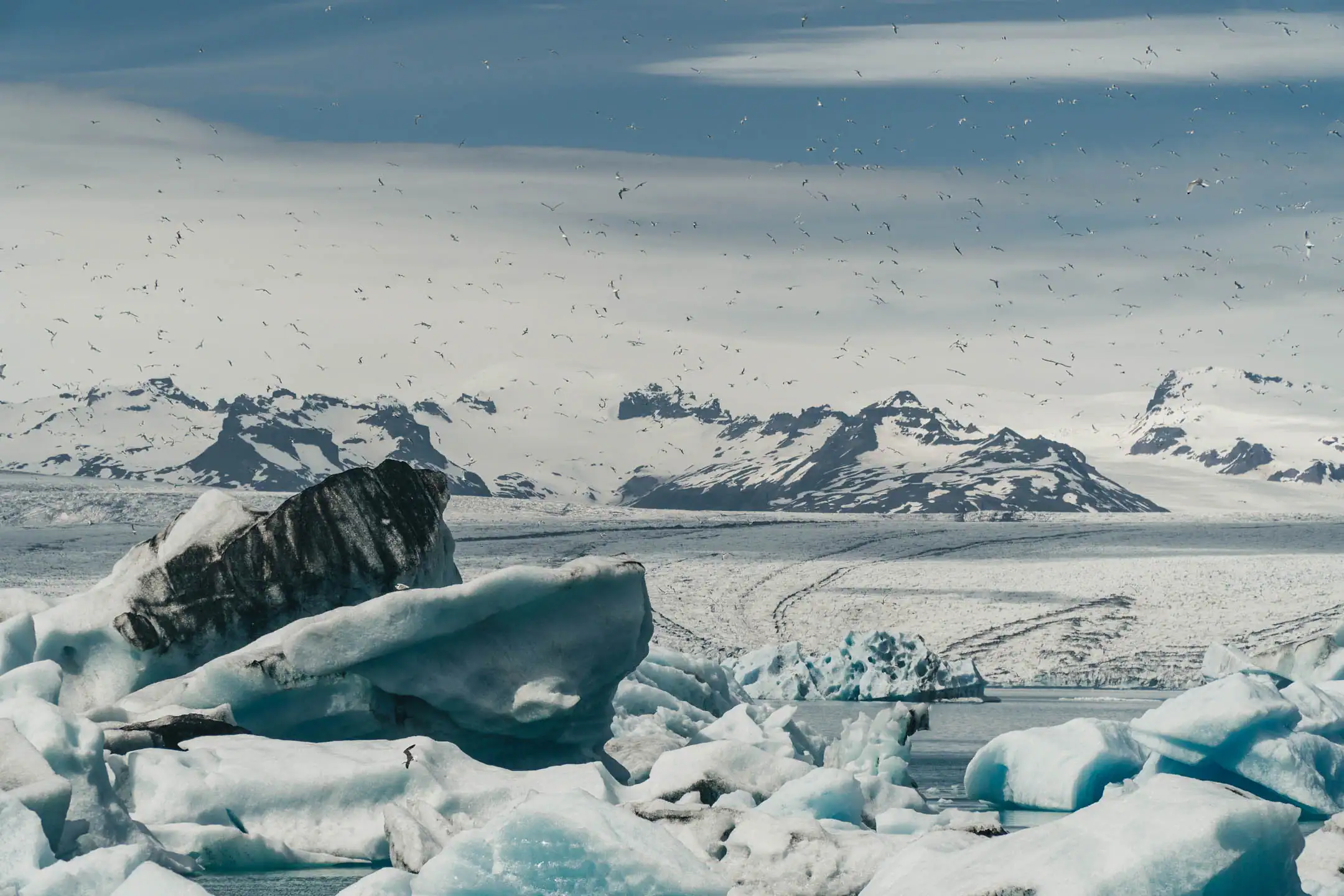
Parts of Vatnajökull and nearby glacier outlets provided sweeping views of the lands north of the Wall. Ice fields and crevasses created real backdrops for harsh winter journeys and battle formations, with minimal digital alteration needed in post production.
Skógafoss And Þórufoss Waterfalls
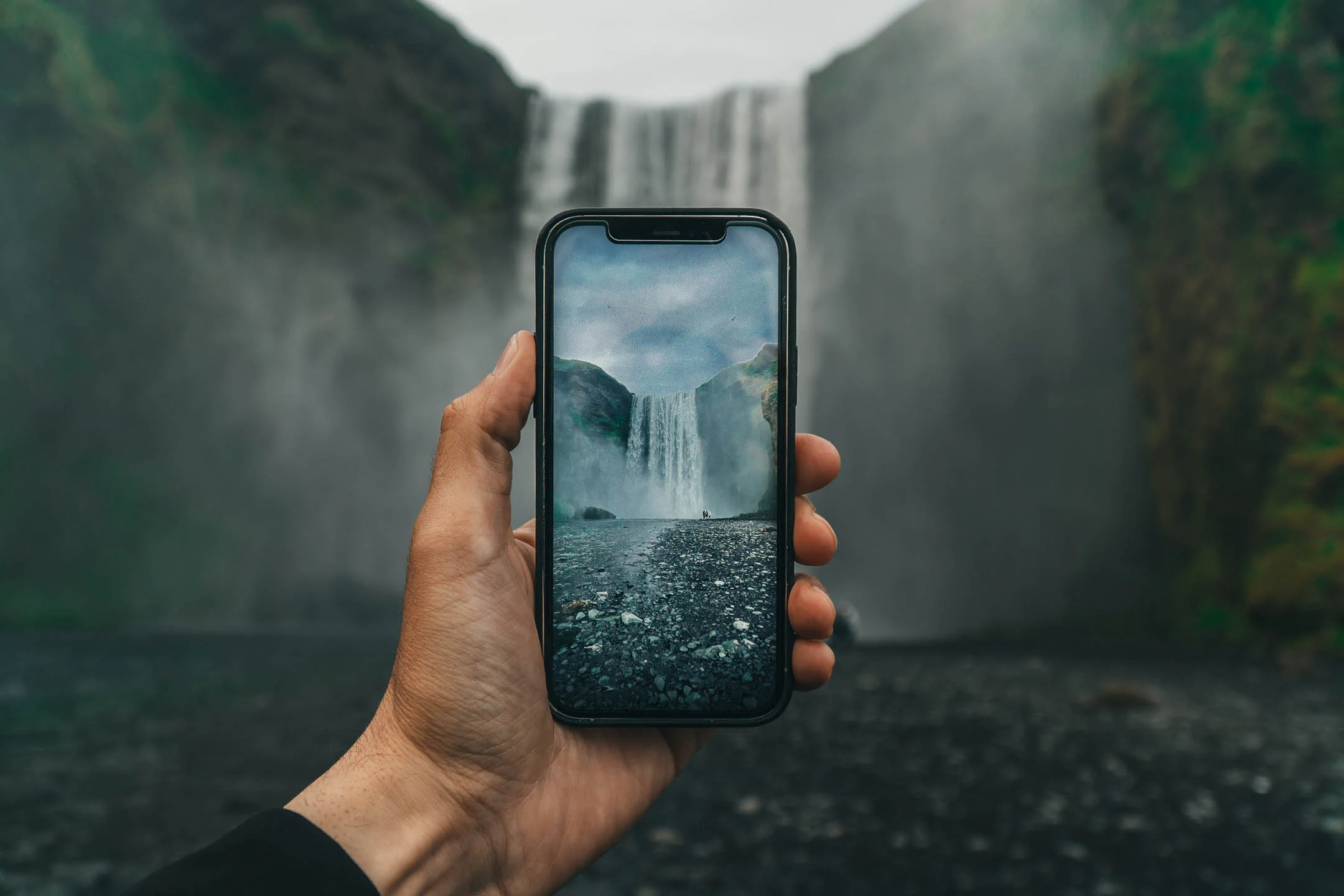
Þórufoss near Lake Þingvallavatn was used in the scene where Drogon attacks a goat herd. Skógafoss, one of Iceland’s most famous waterfalls, appears in several establishing shots as characters travel through the North. Both are easily added to a south coast itinerary.
Reynisfjara Black Sand Beach (Eastwatch Area)
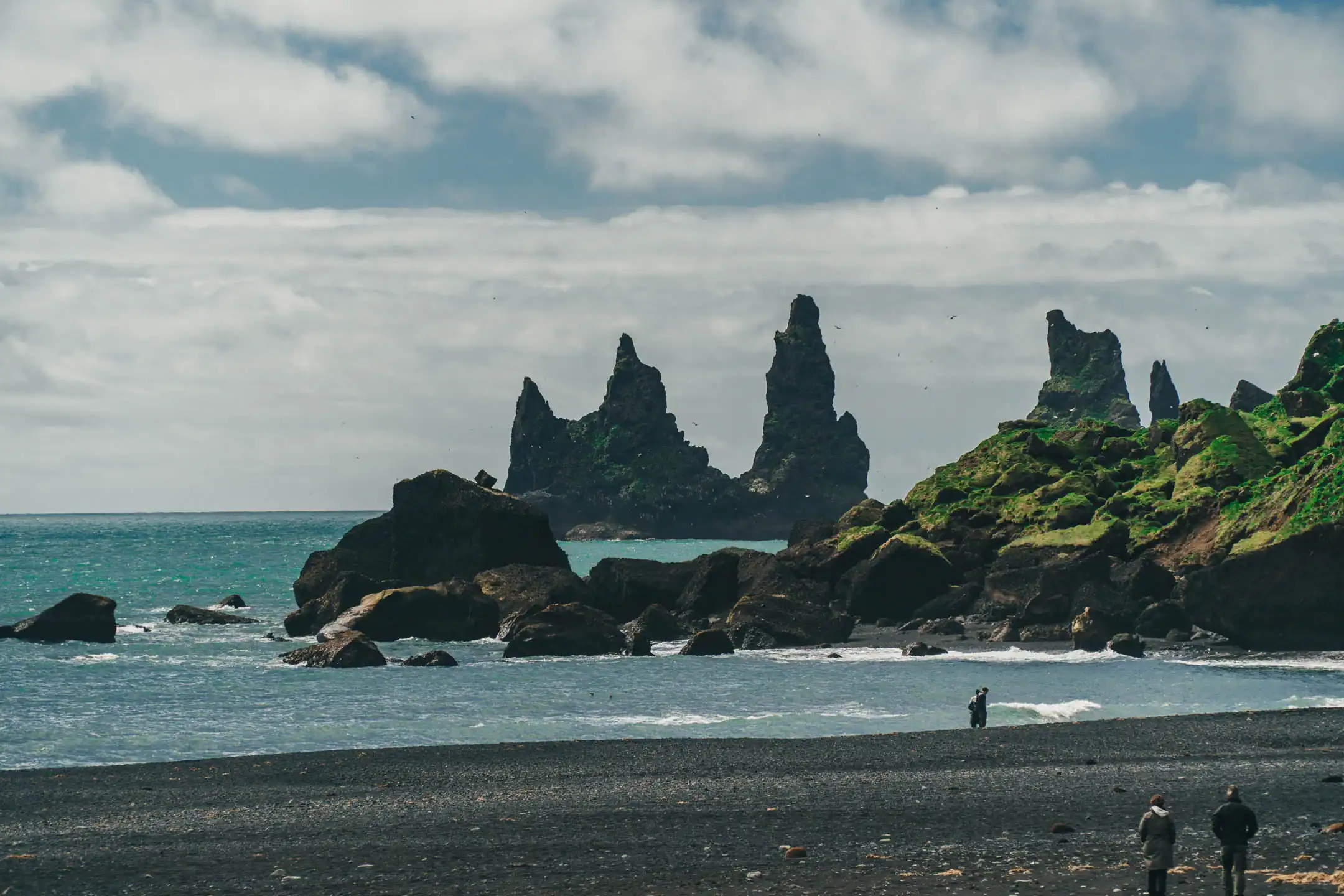
The black sands and basalt columns of Reynisfjara beach formed part of the coastal setting for Eastwatch by the Sea. Even without the show, this area deserves a visit for its cliffs and constant Atlantic swell, but strong sneaker waves mean you should always follow safety signs and stay well back from the waterline.
Challenges Of Filming In Iceland
Shooting at Game of Thrones filming locations in Iceland was as demanding as some of the storylines. Cast and crew worked in conditions that can be challenging even for experienced hikers.
- Severe cold: Winter temperatures often fell well below freezing, especially with windchill
- Limited daylight: In mid winter, crews sometimes had only a few usable hours of light
- Remote access: Equipment and costumes had to be moved over snow, ice and rough tracks
- Storms and wind: Weather could shut down filming days at very short notice
Despite this, the production kept returning because the landscape looked so authentic on screen.
How To Visit Game of Thrones Locations In Iceland
Most major Game of Thrones filming locations in Iceland can be visited with a rental car or campervan using the Ring Road and well known side routes. A few sites, such as remote glacier areas, require guided tours for safety.
- Check road and weather conditions on road.is and vedur.is before driving
- Dress in layers, including windproof and waterproof outerwear
- Stay on marked paths to protect fragile ground and avoid hazards near cliffs and waves
- Bring a camera with spare batteries and memory cards, as you will be shooting in cold conditions
Traveling by campervan lets you time your visits for sunrise, sunset or quieter hours when most tour buses have left.
Fun Facts About Game of Thrones In Iceland
- Early seasons used artificial snow in other countries, but once the team filmed in Iceland they relied heavily on its real winter landscapes.
- Kirkjufell appears in more than one season as visions and key northern locations.
- Many wide shots north of the Wall use real Icelandic mountain ridges and glaciers with only minor digital work.
FAQ About Game of Thrones Filming Locations In Iceland
Where are the main Game of Thrones filming locations in Iceland?
The main Game of Thrones filming locations in Iceland include Þingvellir National Park, Kirkjufell, Lake Mývatn and Dimmuborgir, Grjótagjá cave, Vatnajökull glacier areas, Skógafoss, Þórufoss and Reynisfjara black sand beach.
Do I need a guided tour to see the filming locations in Iceland?
You can visit many Game of Thrones filming locations in Iceland on your own with a rental car or campervan, especially Kirkjufell, Þingvellir, Skógafoss and Reynisfjara. Glacier shots and some remote winter sites are best visited with a guided tour for safety.
What is the best time of year to visit these filming locations?
The most convenient time to visit Game of Thrones filming locations in Iceland is from late May to September, when roads are clearer and days are long. For true winter scenery, visit between November and March, but be prepared for snow, ice and shorter daylight hours.
Can I visit Game of Thrones filming locations in Iceland in winter?
Yes, many locations remain accessible in winter, but driving can be challenging and some remote sites may close or require guided tours. Always check road conditions, follow weather forecasts and never underestimate wind, ice or storms.
Final Thoughts
Visiting the real Game of Thrones filming locations in Iceland turns familiar scenes into physical places you can walk through. You are not just looking at sets, but at real cliffs, caves, glaciers and beaches that carry their own stories. Whether you follow a detailed filming route or simply add a few key sites to a Ring Road itinerary, Iceland lets you step into Westeros while still feeling the raw power of the island itself.
A well planned road trip connects these locations into one journey. You might start at Þingvellir, loop around waterfalls and glaciers in the south, then finish with Arrowhead Mountain on the Snæfellsnes Peninsula. Along the way, you will see why the production chose Iceland whenever the story needed the North to feel real.
Ready to trace the path of the Night’s Watch and the Wildlings yourself? Book your campervan and turn your favorite episodes into a route across some of the most dramatic landscapes on Earth.