


Puffins in Iceland: Where to See Them and Why Everyone Loves Them
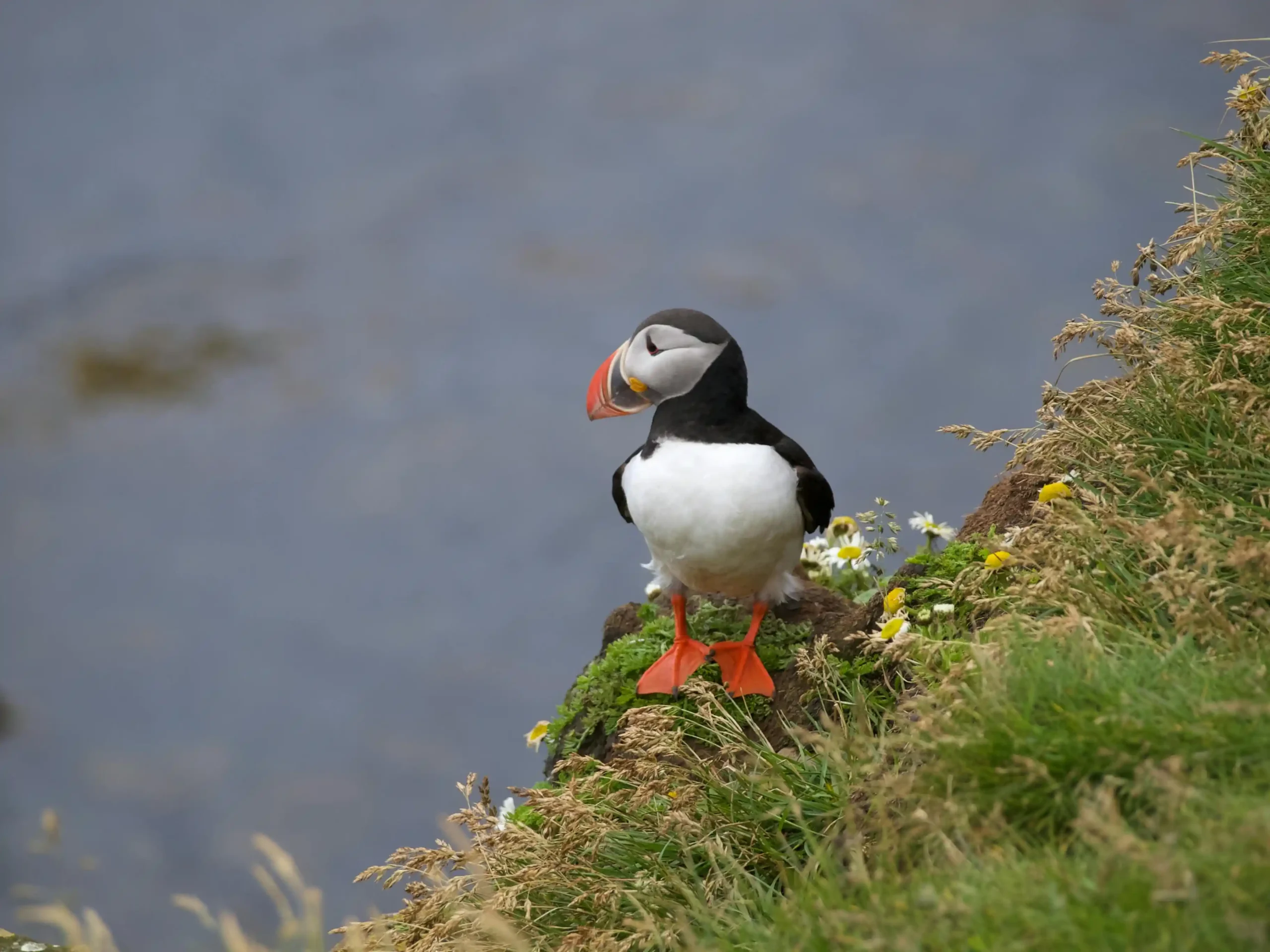
If there is one animal that steals the show in Iceland, it is puffins. These small seabirds look like something out of a cartoon, with bright orange beaks, short wings, and a walk that makes people smile instantly. Seeing them in the wild is one of the highlights of any trip to Iceland, especially during summer.
Iceland is home to one of the largest Atlantic puffin populations in the world, which makes it one of the best places to spot them up close. Whether you are traveling by campervan, rental car, or tour, your chances are excellent if you visit at the right time of year.
Why These Seabirds Love Iceland
They come to Iceland for safety and space. The island’s sea cliffs, offshore islands, and limited land predators create excellent nesting conditions. During summer, they dig burrows into grassy cliff tops where they raise their chicks.
The biggest colonies are found along the south coast, the Westman Islands, and parts of the west and north. For many travelers, Iceland is the first and only place they ever see Atlantic puffins in the wild.
For wildlife info and conservation updates, you can check the Icelandic Institute of Natural History.
When Is the Best Time to See Puffins in Iceland
They are seasonal visitors. You can usually see them in Iceland from late April to early September.
The best months are:
- May
- June
- July
- Early August
During nesting season, adults often spend the day fishing at sea and return to land later. Late afternoon and evening are usually best for sightings, especially in summer when daylight lasts long.
Once September arrives, most birds leave Iceland and spend winter out at sea.
Best Places to See Puffins in Iceland
Dyrhólaey
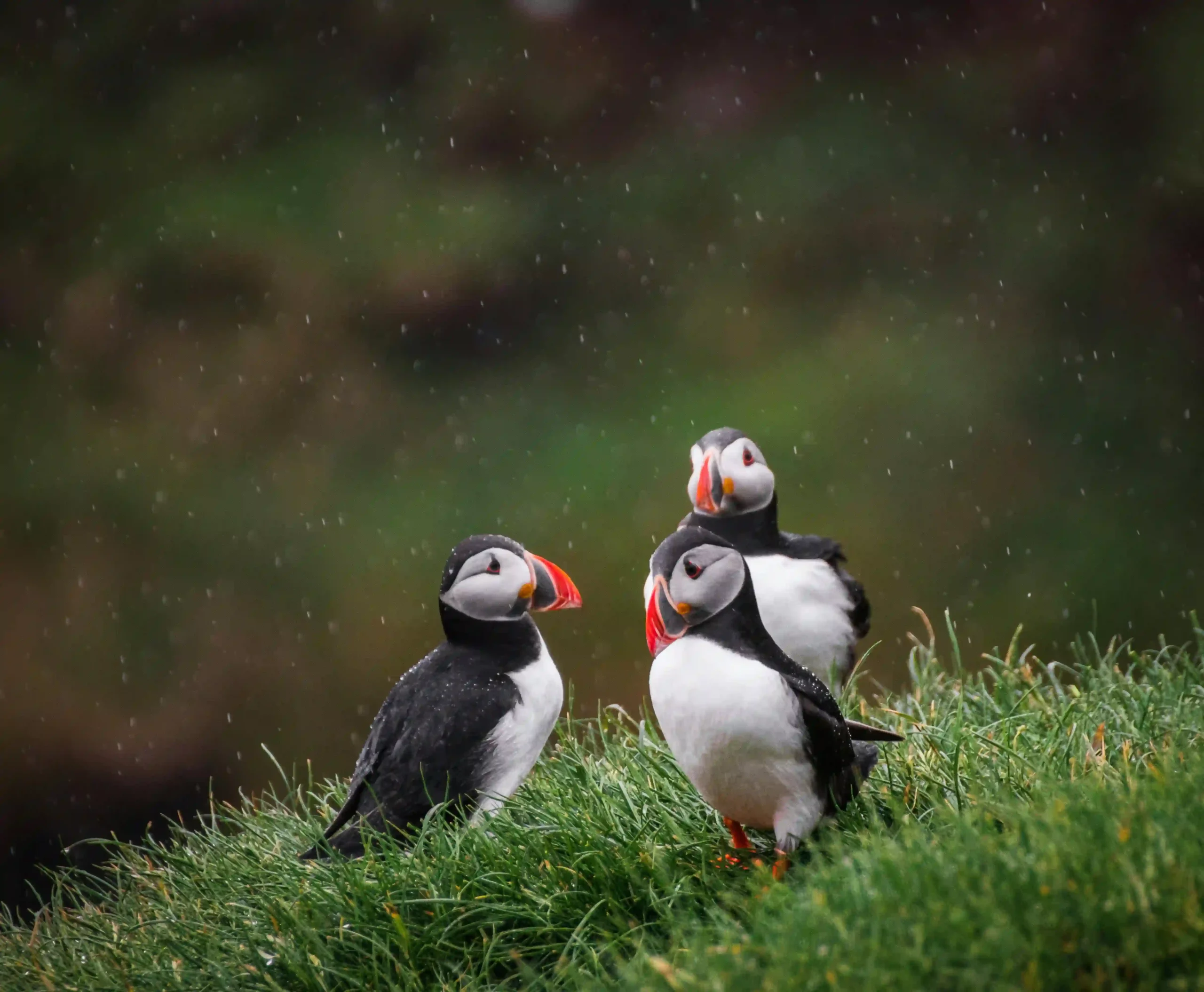
Dyrhólaey on the south coast is one of the easiest places to spot nesting birds without taking a boat tour. In summer, they gather along the cliffs near walking paths. Always follow signs and stay behind safety ropes.
Seasonal access and area notices are published by the Environment Agency of Iceland.
Westman Islands
The Westman Islands are often considered the puffin capital of Iceland. The island of Heimaey hosts a huge colony every summer, and boat trips and cliff walks offer excellent chances to see them.
Getting there is easy with the Herjólfur Ferry (check schedules before you go).
Látrabjarg Cliffs
Látrabjarg in the Westfjords is famous for massive bird cliffs and surprisingly calm birds that often stand close to the edge. It is a dream location for photography, but cliff safety matters here because wind can be strong.
Borgarfjörður Eystri
Borgarfjörður Eystri in east Iceland has viewing platforms designed to help visitors watch nesting colonies without disturbing them. It is one of the most responsible and accessible viewing areas in the country.
How to Watch Puffins Responsibly
They may look relaxed, but they are wild animals, and nesting season is sensitive. Responsible viewing protects the birds and helps keep access open for future travelers.
- Stay on marked paths and follow local signs
- Never touch, feed, or chase wildlife
- Keep a safe distance from cliff edges
- Avoid drones near nesting colonies
- Keep noise low, especially near burrows
For travel safety alerts and guidance, check SafeTravel Iceland.
Puffins and Campervan Travel in Iceland
Campervan travel makes it easier to catch the best viewing times because you can stay flexible and reach more remote areas. Many colonies are outside major towns, and tours do not always match the quietest hours.
With a campervan, you can:
- Visit multiple locations during your trip
- Arrive for calmer evening viewing
- Stay flexible if weather changes
- Build wildlife stops into a Ring Road itinerary
If you are planning a road trip, these guides may also help:
Fun Facts You Will Want to Share
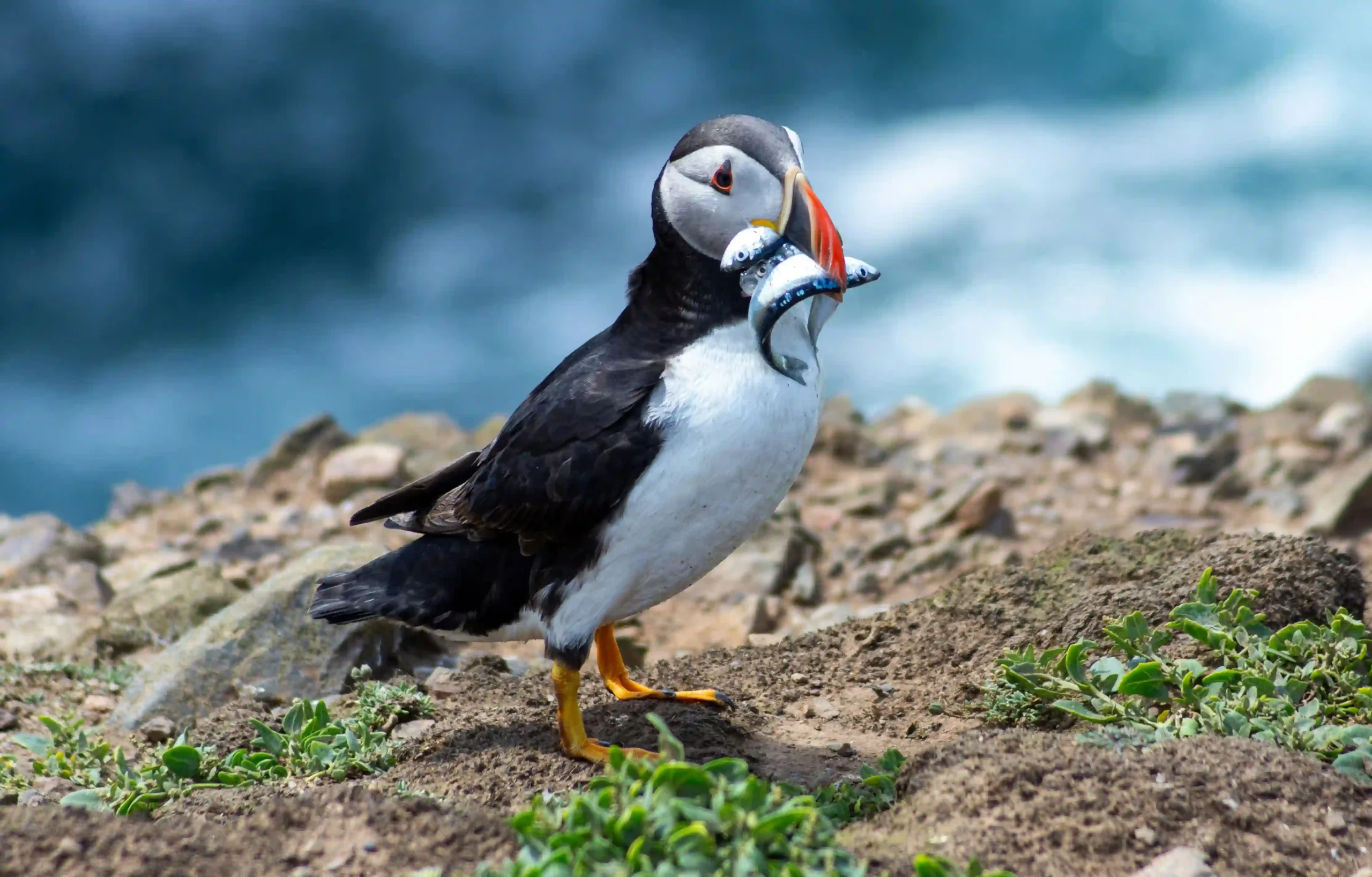
- They can carry multiple fish in their beaks at once
- They spend most of their lives at sea and come to land mainly to breed
- Many return to the same nesting area year after year
- The bright beak color is strongest during breeding season and fades in winter
Puffins and Food in Iceland: A Personal Note
You may come across information saying these birds are eaten in Iceland. While this has been part of old local traditions in a few coastal areas, it is not something we personally support.
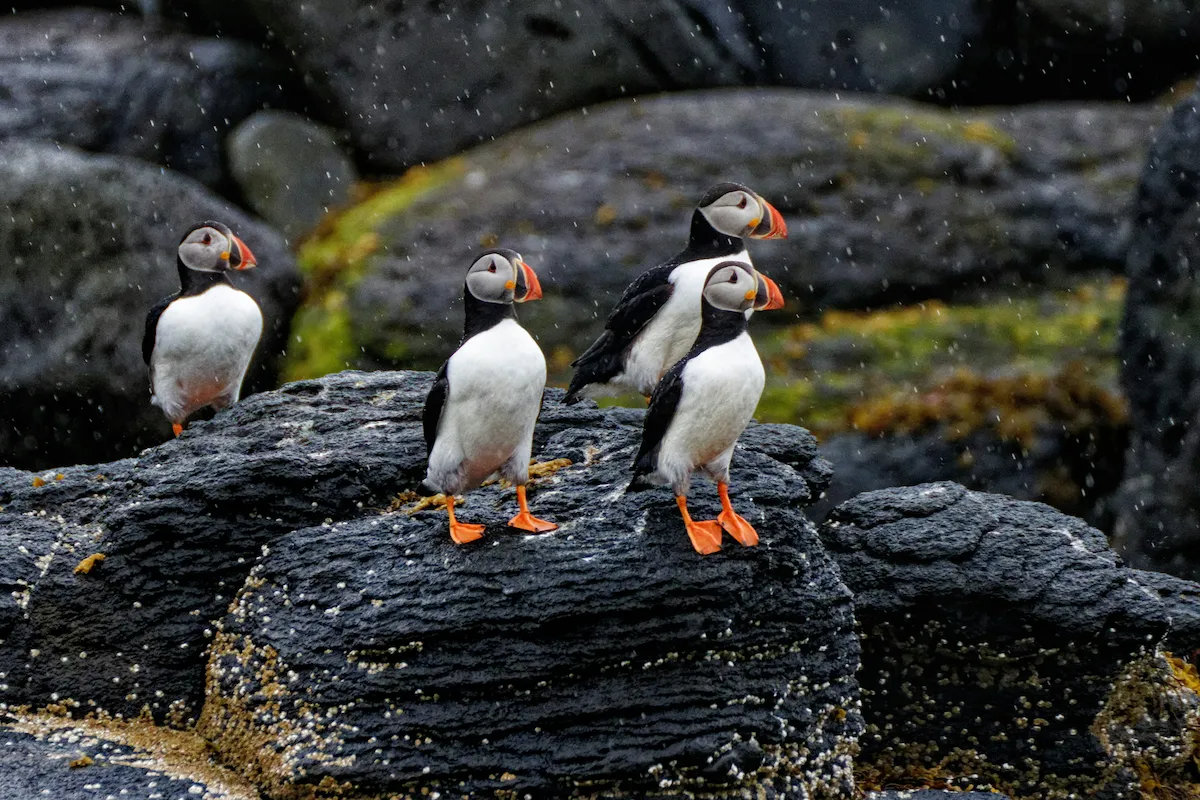
They are one of the most iconic and lovable birds in Iceland. Watching them fly, nest on cliffs, and raise their chicks is a highlight for many travelers, including us. For that reason, we believe they are best enjoyed alive and thriving in the wild, not on a plate.
Today, many visitors and many Icelanders prefer protecting nesting colonies as wildlife. Responsible tourism and conservation matter far more than outdated food traditions.
Why Seeing Puffins in Iceland Is So Special
There are many places in the world where these seabirds live, but very few where they are so easy to see. Iceland offers a rare chance to observe them in their natural environment while supporting responsible wildlife watching.
If you are visiting Iceland in summer, add a stop for puffin watching to your plan. For many travelers, it becomes one of the most memorable parts of the trip.
Respect the cliffs, stay on paths, and enjoy the magic of Iceland’s most famous seabirds.