


Vatnajökull National Park in Iceland: A Guide for Independent Travelers
Vatnajokull National Park in Iceland is one of the most remarkable natural areas in the country and one of the largest protected landscapes in Europe. For travelers exploring Iceland independently, the park offers an unmatched combination of glaciers, volcanoes, waterfalls, and vast wilderness areas that can be reached without relying on organized tours.
Covering roughly 13% of Iceland’s landmass, Vatnajokull National Park Iceland stretches across the southeast, east, and northeast of the country.
This guide explains what makes Vatnajökull National Park unique, how to visit it independently, what you can realistically see without a tour, and what to consider for safety and seasonal access.
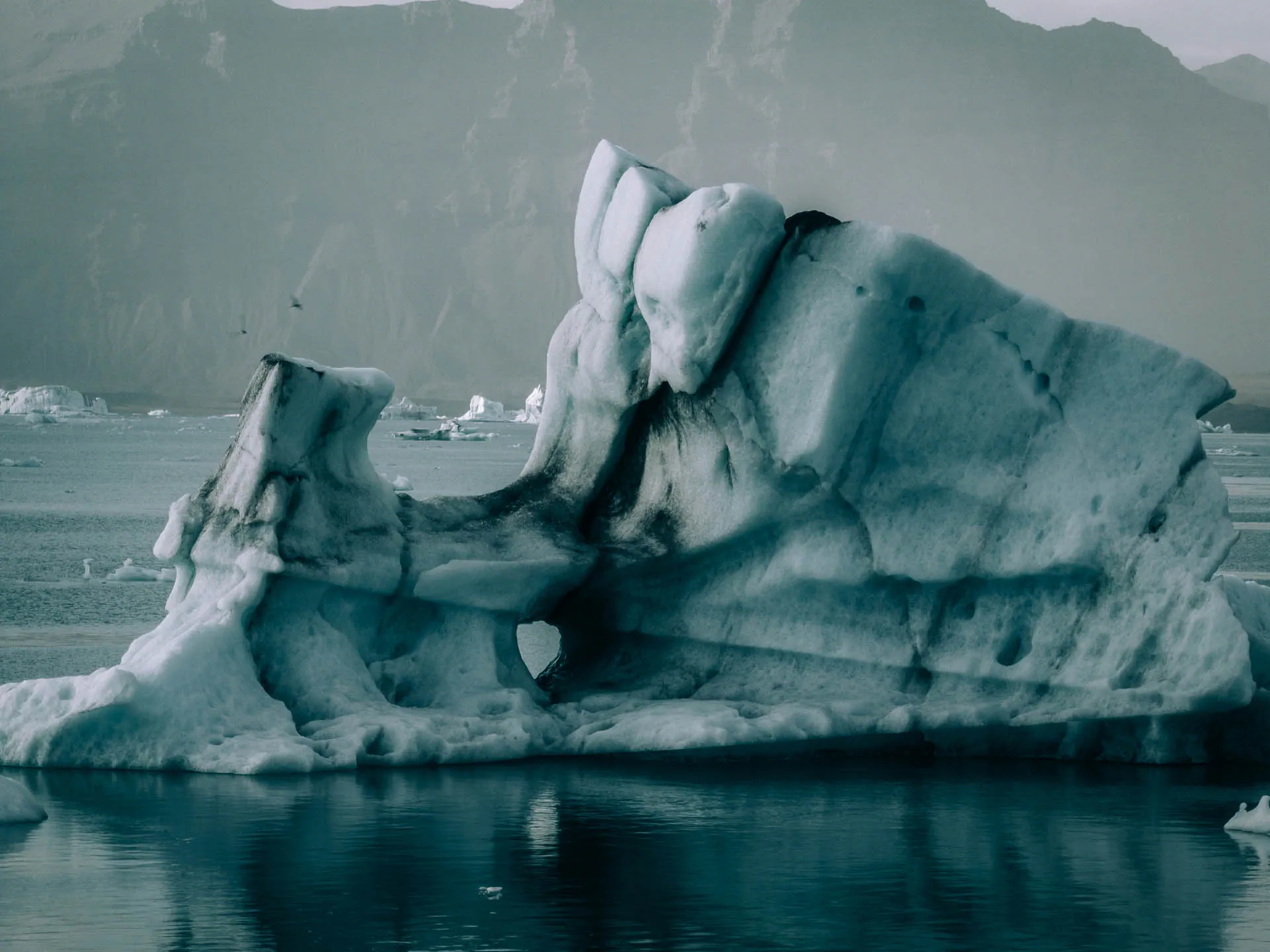
What Makes Vatnajokull National Park in Iceland Unique
Vatnajökull National Park is defined by contrast. Massive glaciers sit above active volcanic systems, while deep canyons, braided rivers, and moss-covered lava fields stretch between them. The park takes its name from Vatnajökull Glacier, the largest glacier in Europe by volume.
The park was officially established in 2008 and later expanded to include areas such as Skaftafell and Jökulsárgljúfur. In 2019, it was recognized as a UNESCO World Heritage Site for its exceptional geological value and its role in showing how glaciers and volcanoes interact.
Unlike smaller national parks, Vatnajökull is not a single destination. It is a collection of regions, each with its own landscapes, access points, and seasonal limitations.
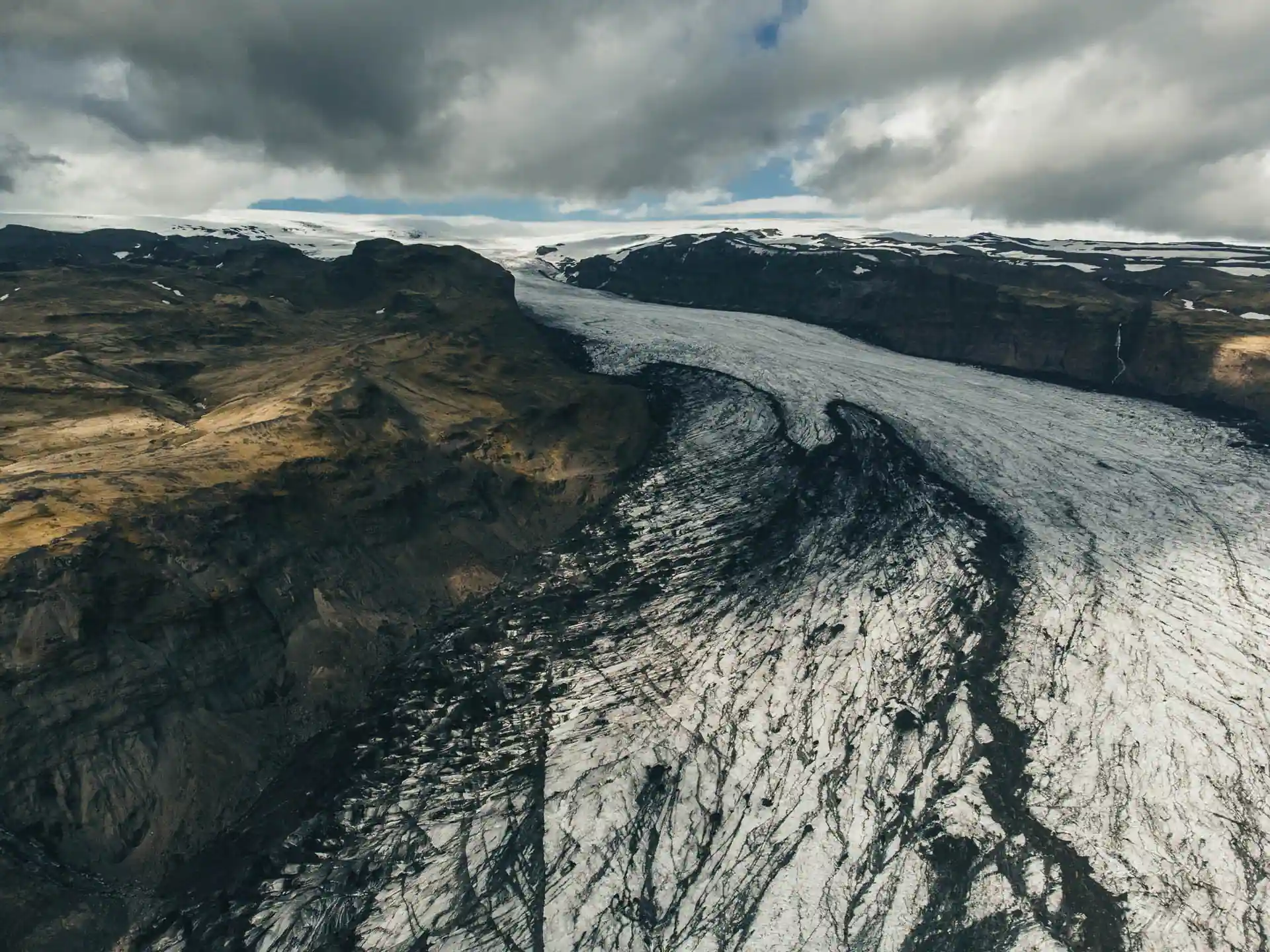
Regions of Vatnajokull National Park You Can Explore Independently
Yes. Large parts of Vatnajökull National Park are accessible to independent travelers.
You can visit the park without a tour if your goal is to see glacier tongues from viewpoints, hike marked trails in accessible areas, visit waterfalls and lagoons, and explore visitor centers and surrounding regions.
However, some activities always require a licensed guide, including glacier hiking, ice cave exploration, and travel onto glaciers or into crevasse zones. Independent travel works best when you combine self-drive sightseeing with a realistic understanding of which experiences require professional supervision.
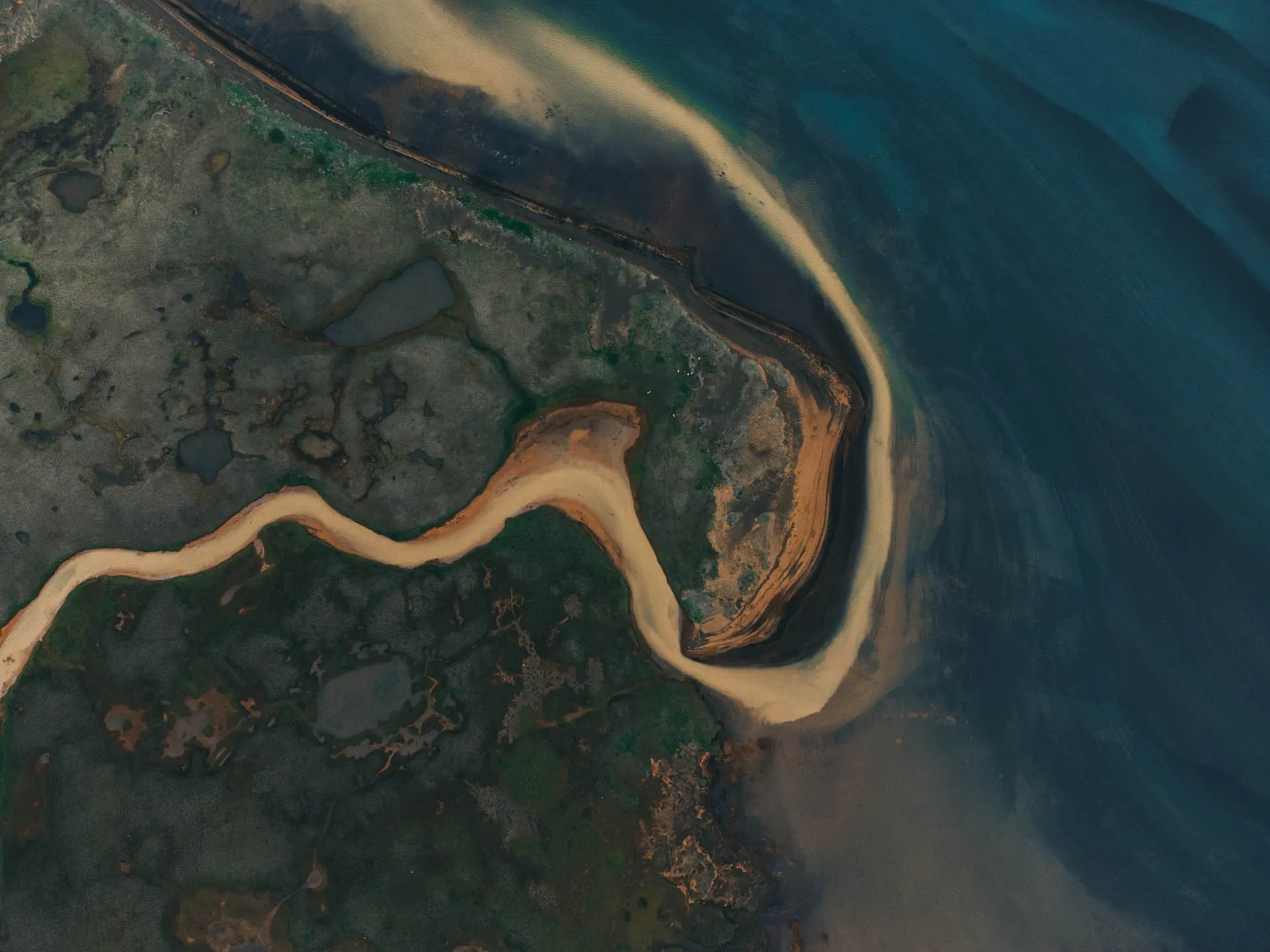
How to Get to Vatnajökull National Park by Car
Driving is the most practical way to reach Vatnajökull National Park. Most independent travelers approach the park via Iceland’s Ring Road, which passes along its southern and southeastern edges.
From Reykjavík, the drive to the Skaftafell area typically takes about 4 to 5 hours without long stops. The route is simple and scenic, with many places worth stopping along the way.
Always check road and weather updates before driving, especially outside summer. You can monitor official road conditions here:
road.is.
Regions of Vatnajökull National Park You Can Explore Independently
Skaftafell Area
Skaftafell is the most accessible and visitor-friendly part of the park. It offers clearly marked hiking trails, viewpoints over glacier tongues, and access to famous attractions such as Svartifoss waterfall.
Glacier Lagoons and Coastal Areas
The southeastern edge of the park includes glacier lagoons where icebergs drift toward the ocean. These areas are easy to reach from the Ring Road and require no special equipment. Walking paths and viewing platforms make them suitable for most travelers.
Northern and Interior Regions
The northern and central parts of the park are more remote. Many interior roads are only accessible in summer and may require a high-clearance or 4x4 vehicle. These areas reward experienced travelers seeking solitude, but they demand careful planning and respect for conditions.
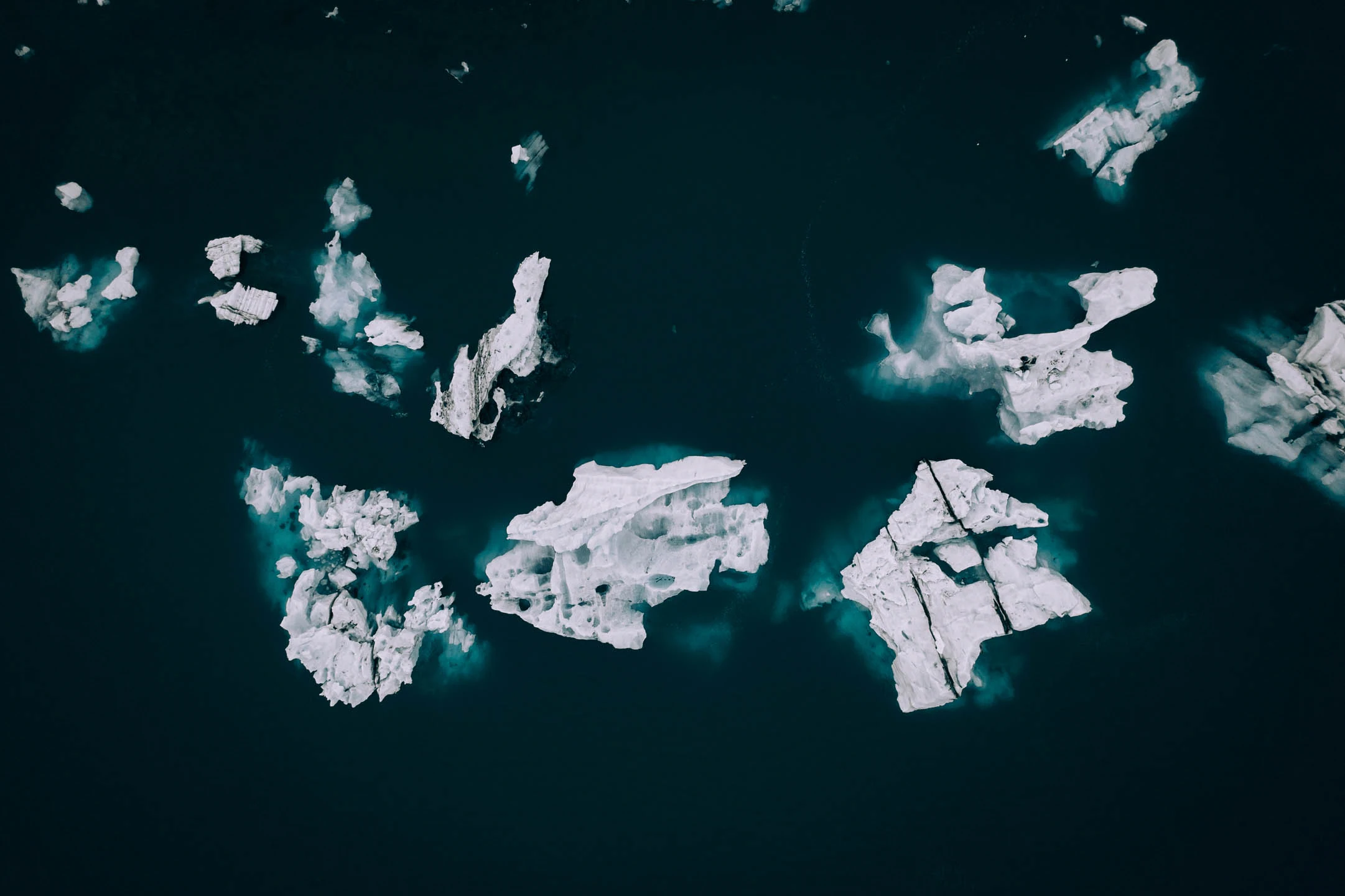
Best Time of Year to Visit Vatnajökull National Park
Summer
Summer offers the easiest access, longer daylight, and open routes. Hiking conditions are best, and visitor services operate at full capacity.
Shoulder Seasons
Late spring and early autumn provide fewer crowds and changing landscapes. Snow may still limit access to some areas, but popular southern locations remain reachable.
Winter
Winter transforms the park into a dramatic frozen landscape. Independent sightseeing remains possible near the Ring Road, but interior access is restricted. Ice caves and glacier walks require certified guides.
Safety Considerations for Independent Travelers
Vatnajökull National Park is wild and powerful. Safety awareness matters even in accessible areas.
- Never walk onto a glacier without a guide
- Respect trail closures and warning signs
- Stay well back from glacier edges and ice formations
- Avoid river crossings unless clearly marked and safe
- Monitor weather forecasts daily
For official safety updates while traveling, check:
safetravel.is.
Camping and Overnight Stays Near the Park
Overnight stays in and around Vatnajökull National Park are regulated. Wild camping with vehicles is not permitted, so independent travelers should use designated campgrounds or approved accommodations near park access points.
Campgrounds near Skaftafell and along the Ring Road typically provide toilets, showers, drinking water, and easy access to nearby trails.
If you are planning a campervan trip, read our guide on
campervan sleeping rules in Iceland
before you travel.
Why Vatnajökull National Park Belongs on Every Iceland Itinerary
Vatnajökull National Park represents Iceland at its most raw and dynamic. Few places in the world allow travelers to experience glaciers, volcanoes, and active geological processes in such close proximity.
For independent travelers, the park offers freedom to explore at your own pace, easy access to iconic landscapes, and opportunities for both short visits and multi-day exploration. With proper planning and respect for conditions, it becomes one of the most memorable highlights of any Iceland journey.
Plan Your Visit as an Independent Traveler
Independent travel in Vatnajökull National Park rewards preparation. Understanding access points, seasonal limitations, and safety rules allows you to experience the park confidently without rushing or unnecessary risk.
If you are building a Ring Road itinerary, you may also find these guides useful:
For travelers who want to explore Iceland with maximum flexibility, you can view vehicle options here:
North Star Rental campervan fleet.