


Iceland Currency to USD: Simple Guide for US Travelers
Understanding Iceland currency to USD helps you plan your trip with confidence. Prices in Iceland use large numbers, card payments dominate daily life, and travelers rarely need cash. This guide shows you how to convert Icelandic Krona to US dollars, understand real costs, and manage your travel budget wisely.
What currency is used in Iceland?
Iceland uses the Icelandic Krona (ISK). Stores, restaurants, and services list all prices in ISK, which makes understanding currency is essential for travelers.
The country uses coins in 1, 5, 10, 50, and 100 ISK values, while banknotes cover higher amounts. Most visitors rely entirely on cards instead of cash.
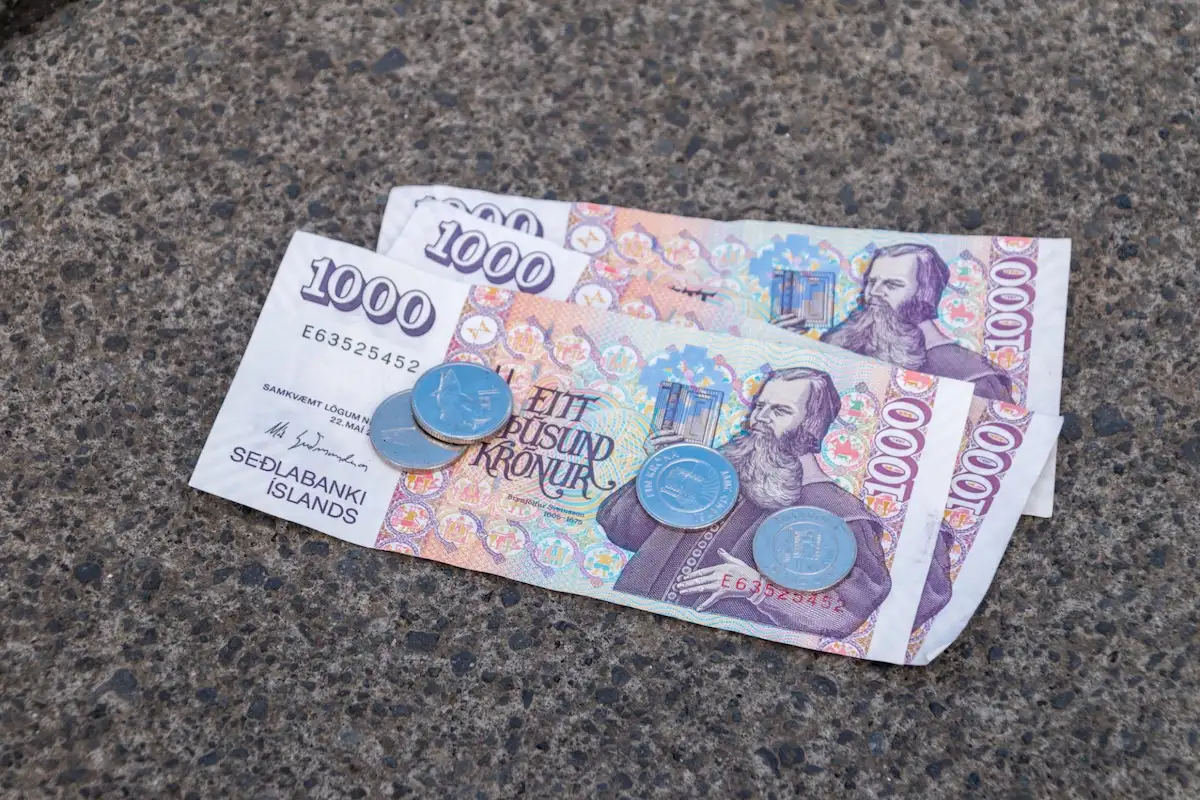
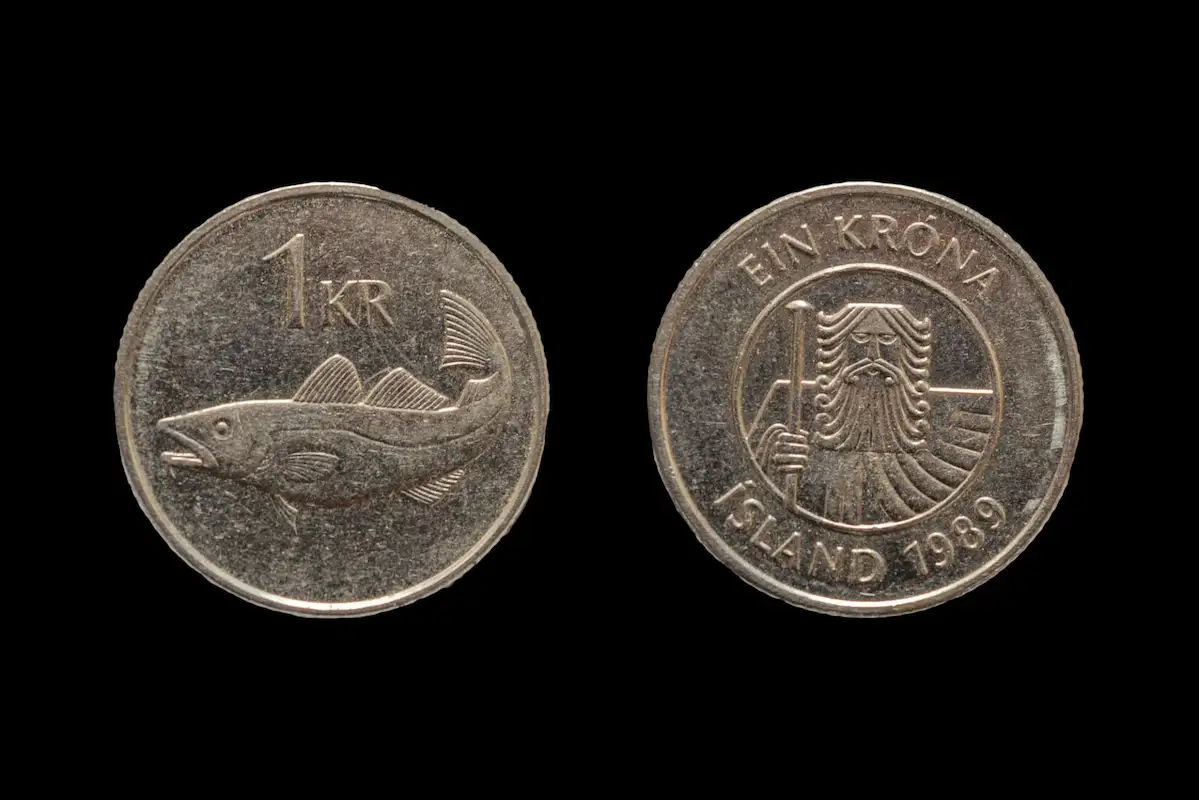
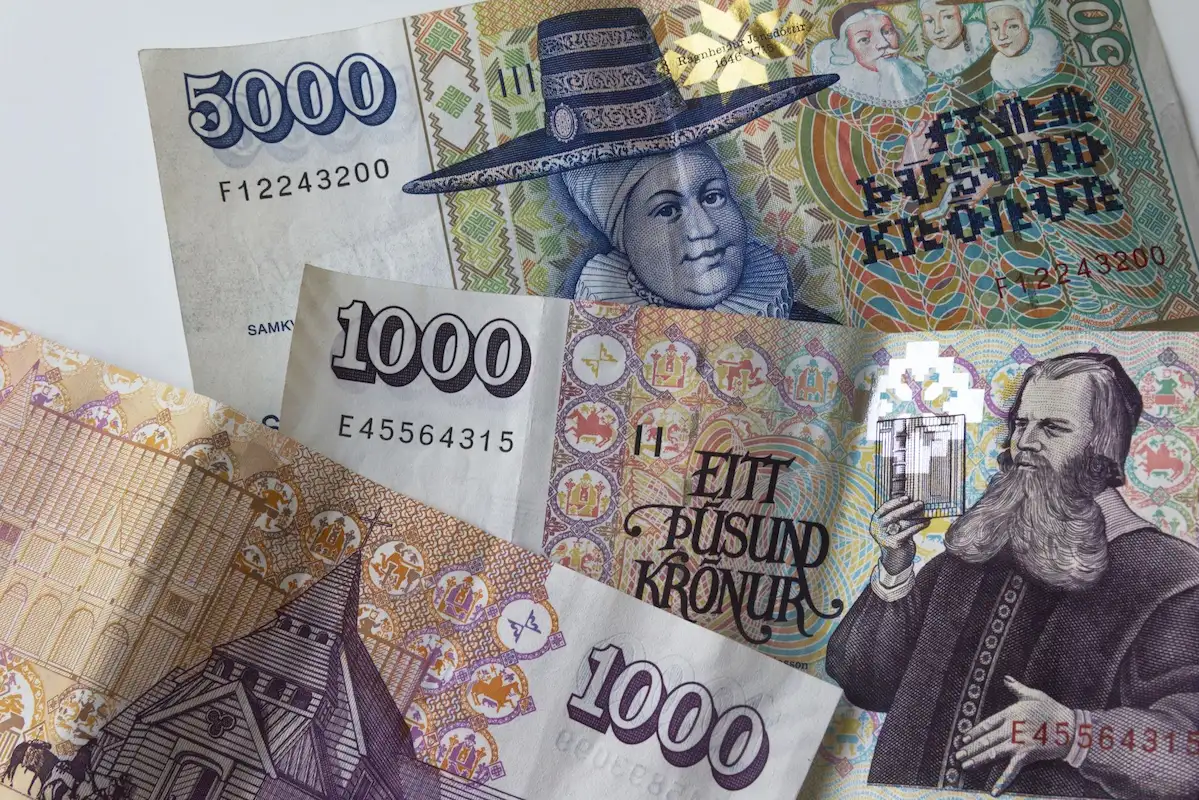
How to convert Iceland currency to USD
The exchange rate between Icelandic Krona and US dollars changes daily, so you should always check a live currency converter before traveling.
To estimate Iceland currency to USD quickly, remove one zero from the ISK amount and divide the result by roughly 1.4. This method gives you a fast and practical dollar estimate.
For accurate live rates, use an official Icelandic bank such as
Landsbankinn currency converter.
Common prices in Iceland converted to USD
Looking at everyday costs converted from Iceland currency to USD makes travel planning much easier.
| Item | Price in ISK | Approx. USD |
|---|---|---|
| Coffee | 500 ISK | $3.50 |
| Hot dog | 550 ISK | $4.00 |
| Beer at a bar | 1,500 ISK | $11.00 |
| Meal at a restaurant | 3,500 ISK | $25.00 |
| Tank of fuel | 8,000–10,000 ISK | $60–70 |
| Campsite per night | 1,500–2,000 ISK | $11–14 |
Is USD accepted in Iceland?
Businesses in Iceland rarely accept US dollars. Travelers should not rely on USD for payments.
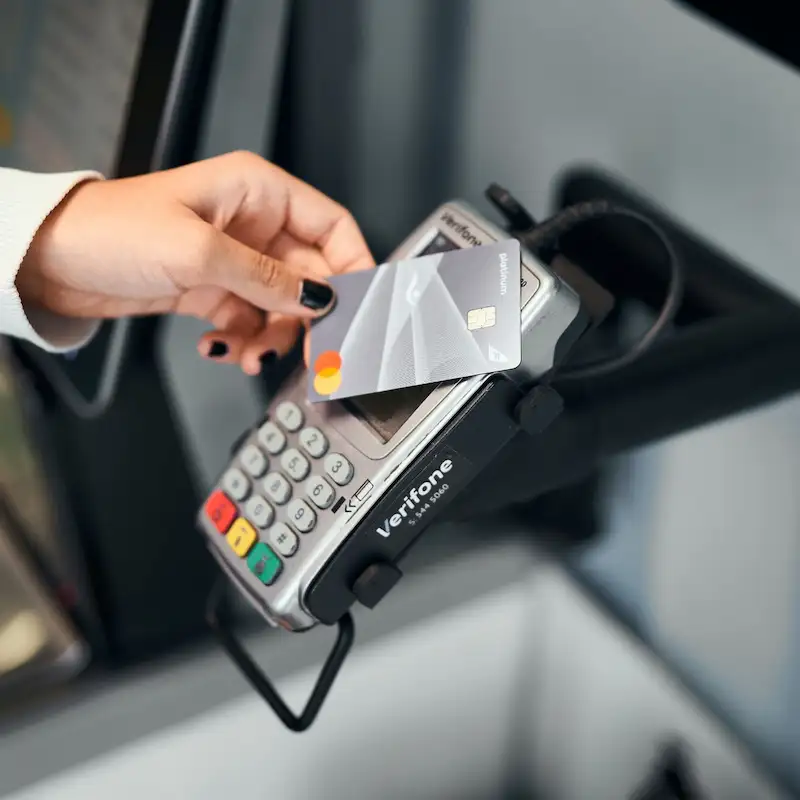
Shops, restaurants, and service providers across the country prefer credit and debit cards, even in remote locations.
Cards vs cash in Iceland
Iceland operates as an almost cashless society. Travelers use cards for nearly all payments, while cash plays a very limited role.
- Visa and Mastercard work almost everywhere
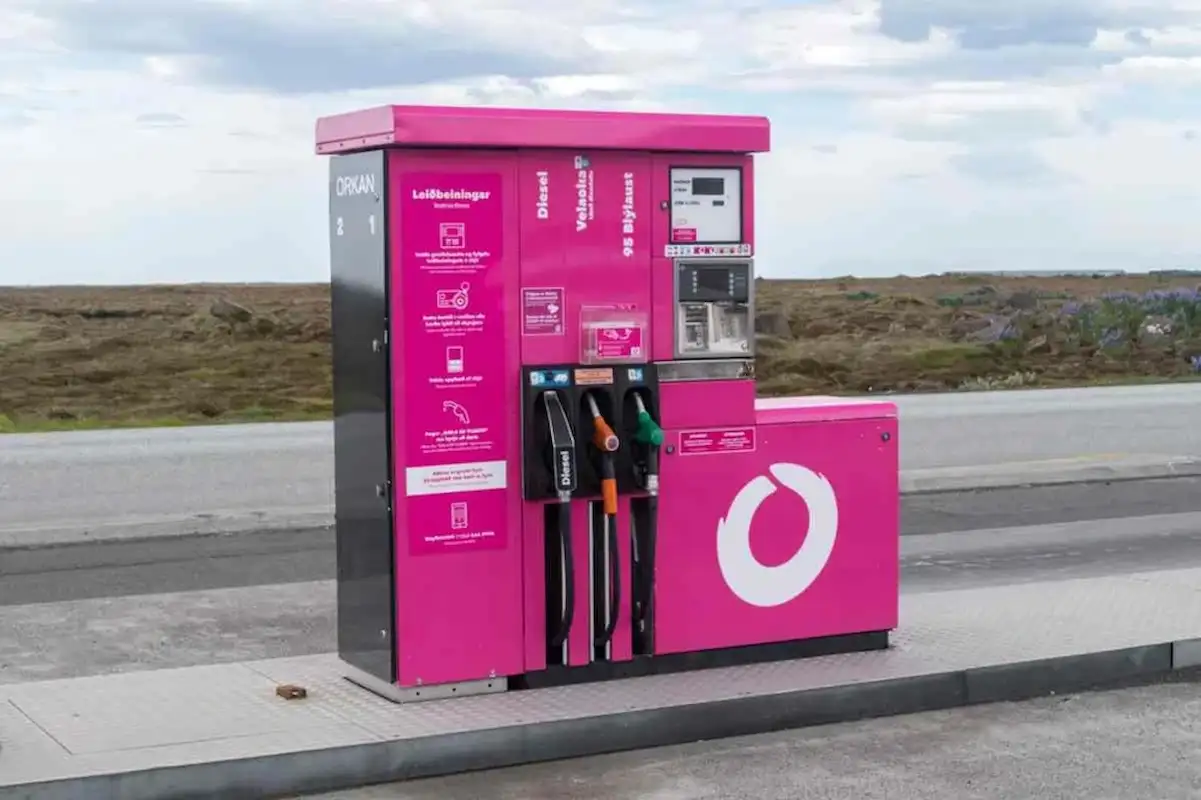
- Fuel stations require a card with a PIN
- Most businesses do not accept American Express
Unmanned fuel stations require a card with a PIN, which is especially important for campervan travelers.

Is Iceland expensive for US travelers?
When travelers convert prices using Iceland currency to USD, they often find Iceland expensive. High import costs, taxes, and wages all contribute to higher prices.
Smart planning allows visitors to manage daily expenses more effectively.
How currency affects campervan travel costs
Being familiar with currency helps campervan travelers control fuel, campsite, grocery, and activity costs.
Fuel and accommodation create the biggest expenses on the road. Knowing approximate USD values helps travelers avoid budget surprises.
You can plan your road trip more efficiently by reading our
Iceland campervan rental guide.
Tips to save money in Iceland
- Drink tap water instead of buying bottled water
- Buy alcohol at the airport duty free store
- Shop at grocery stores rather than eating out
- Travel outside the peak summer season
- Track daily spending in USD
Quick summary for US travelers
- Iceland uses the Icelandic Krona, not USD
- Cards work almost everywhere
- Cash rarely plays a role in daily payments
- Fuel and food create the biggest expenses
- Understanding Iceland currency to USD helps control your budget
You can find more planning advice in our
Iceland travel tips.
FAQ
What is the best way to convert Iceland currency to USD?
Use a live currency converter from your bank or an official Icelandic bank website.
Should I bring cash to Iceland?
Bring only a small amount if you want. Cards work almost everywhere.
Is Iceland more expensive than the US?
Yes. Food, fuel, and alcohol usually cost more, but planning ahead helps control expenses.