


Why Reynisfjara Is Changing in 2026: Beach Closures, Erosion, and Safety
Reynisfjara Black Sand Beach remains one of Iceland’s most iconic locations, but in 2026 the Reynisfjara beach closure affects how close visitors can safely access parts of the shoreline. Many travelers arrive expecting older photos, only to find the sea closer, less walkable sand, and clearly marked safety zones.
This guide explains why the Reynisfjara beach closure exists, what changed compared to previous years, and how to visit safely while still enjoying this powerful coastline.
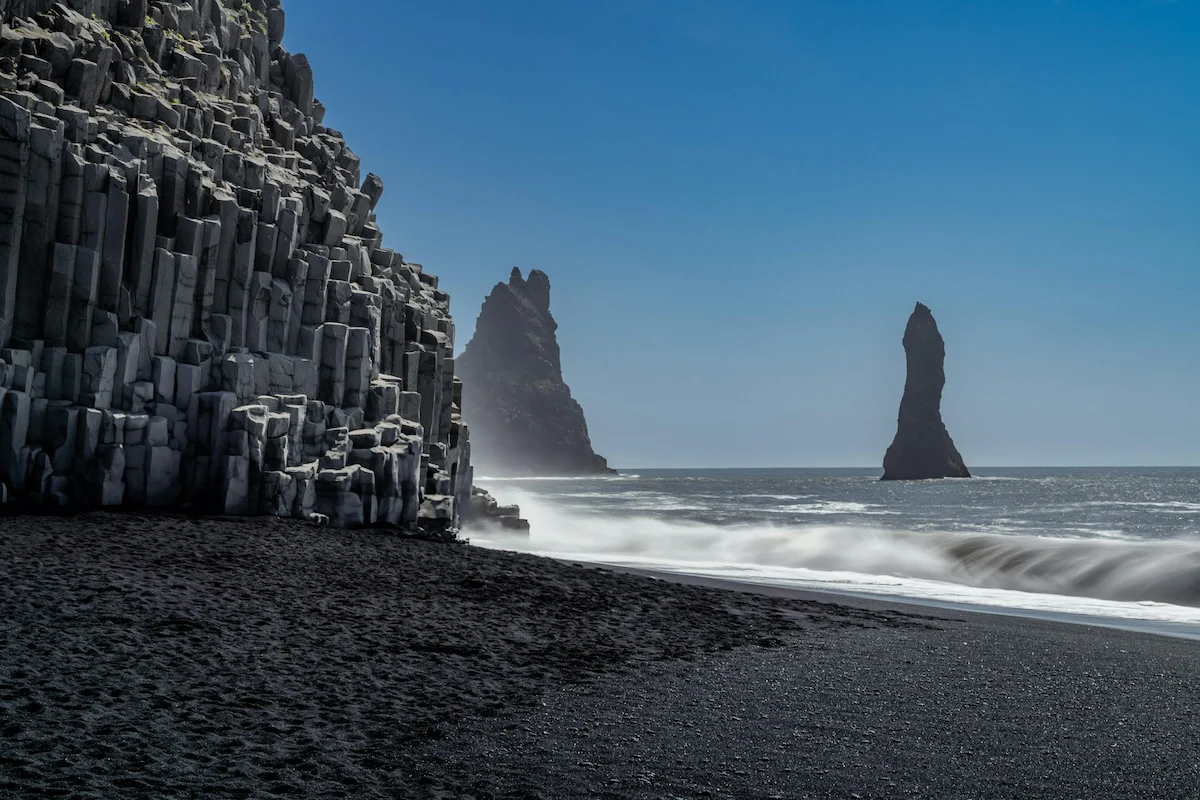
Is Reynisfjara Beach Closed in 2026?
Reynisfjara is not permanently closed, but access is actively managed through safety zones. Depending on surf, tide, and wind, certain areas can be restricted or fully off-limits, especially near the basalt columns and Hálsanefshellir cave.
- Green zone: Open access with strict distance rules.
- Yellow zone: Partial restriction, no entry into marked areas.
- Red zone: Full restriction beyond warning points.
Always check conditions shortly before visiting:
Before vs Now: How the Reynisfjara Beach Closure Changed Access
Before
In older photos and travel guides, Reynisfjara appears wide and easily walkable. Visitors could approach closer to the basalt columns, and the shoreline felt more predictable.
Now in 2026
Today, stronger wave action, seasonal storms, and long-term coastal erosion have reshaped the beach. As a result, the Reynisfjara beach closure is enforced more frequently to protect visitors from dangerous conditions.
- Less walkable sand during normal tide cycles
- Waterline closer to cliffs and rock formations
- More frequent safety restrictions
- Older itineraries may no longer be accurate
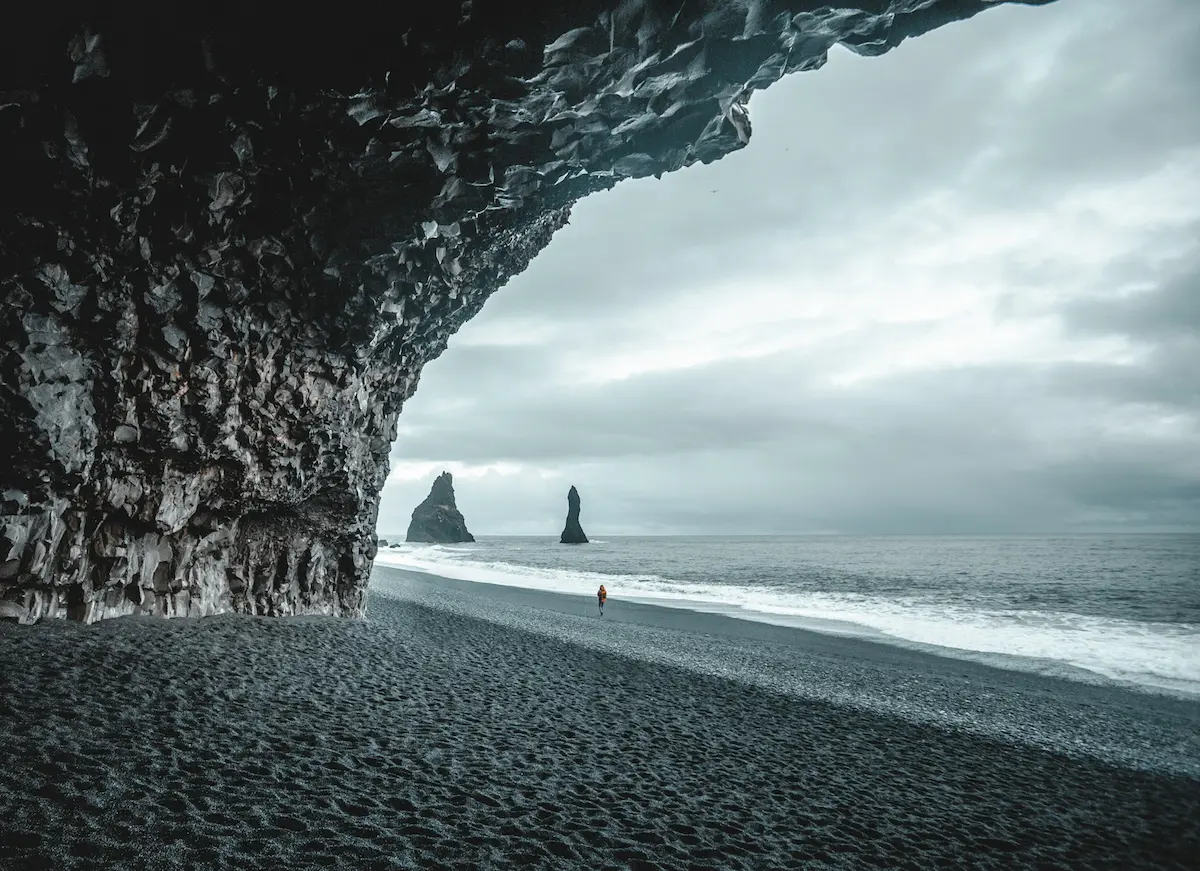
Why the Sea Has Taken Part of the Beach
Reynisfjara is a high-energy coastline. Black sand constantly shifts due to storms, tides, wind, and powerful Atlantic waves. Beaches here are not fixed landscapes.
After heavy winter storms or strong wave systems, sand can be removed quickly. Sometimes it slowly returns. Sometimes it does not. This natural process explains why many visitors notice visible changes over time.
Safety at Reynisfjara: The Real Risk Is Nature
Important Safety Notice
Reynisfjara is known for unpredictable sneaker waves that can surge far up the beach without warning. These waves are the main reason for the Reynisfjara beach closure zones.
- Stay far from the waterline
- Never turn your back on the ocean
- Do not climb wet rocks or enter caves
- Follow all warning signs and lights
Emergency number in Iceland: 112
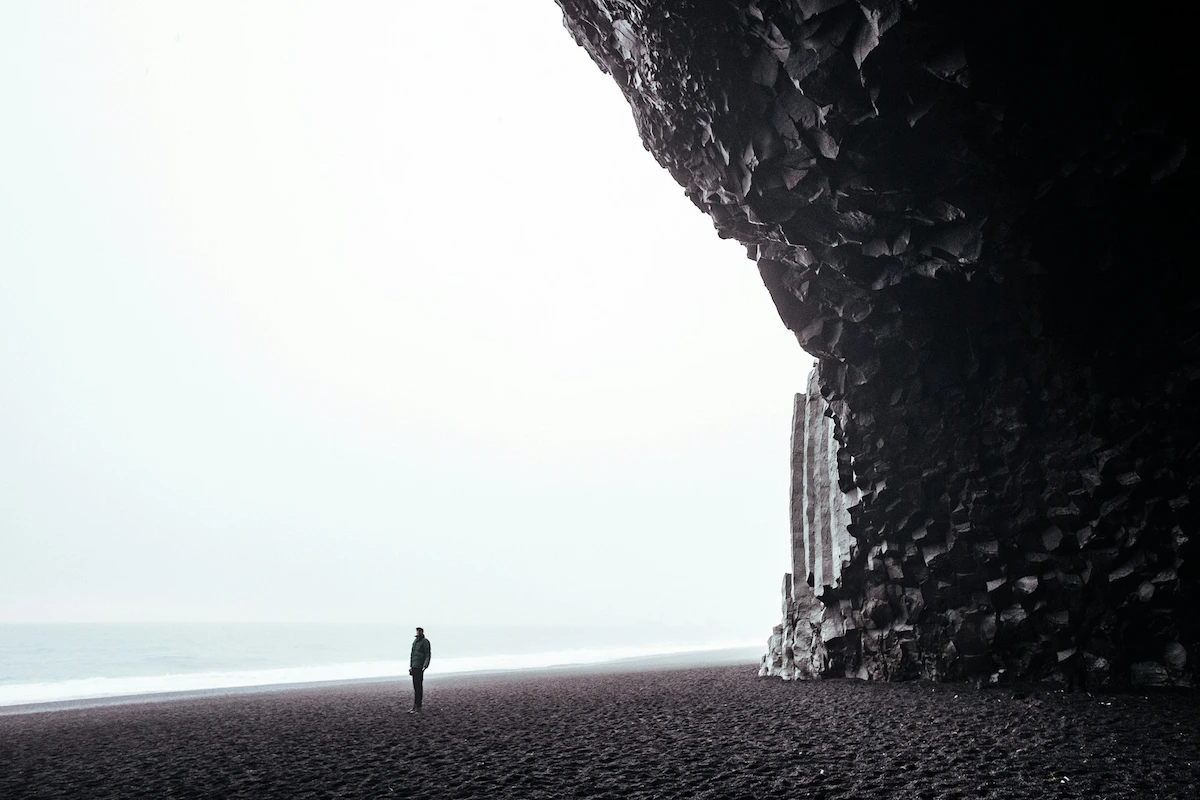
How to Visit Reynisfjara Safely in 2026
- Check safety status before arrival
- Respect all restricted zones
- Keep extra distance when visiting with children
- Plan flexible timing in case conditions change
- Never chase photos near the waterline
Campervan Travel Tip for the South Coast
If you are visiting by campervan, plan Reynisfjara as a flexible stop rather than a fixed schedule. Wind and wave conditions can change quickly.
Travelers using campervan hire in Iceland benefit from flexibility, allowing them to return later if conditions improve.
Summary: Reynisfjara Beach Closure and What It Means for Visitors
The Reynisfjara beach closure exists to protect visitors from powerful waves and changing coastal conditions. While access is more controlled than in the past, Reynisfjara remains an unforgettable destination when visited responsibly.
Respect the ocean, follow safety guidance, and plan your visit with flexibility to experience Reynisfjara at its best.
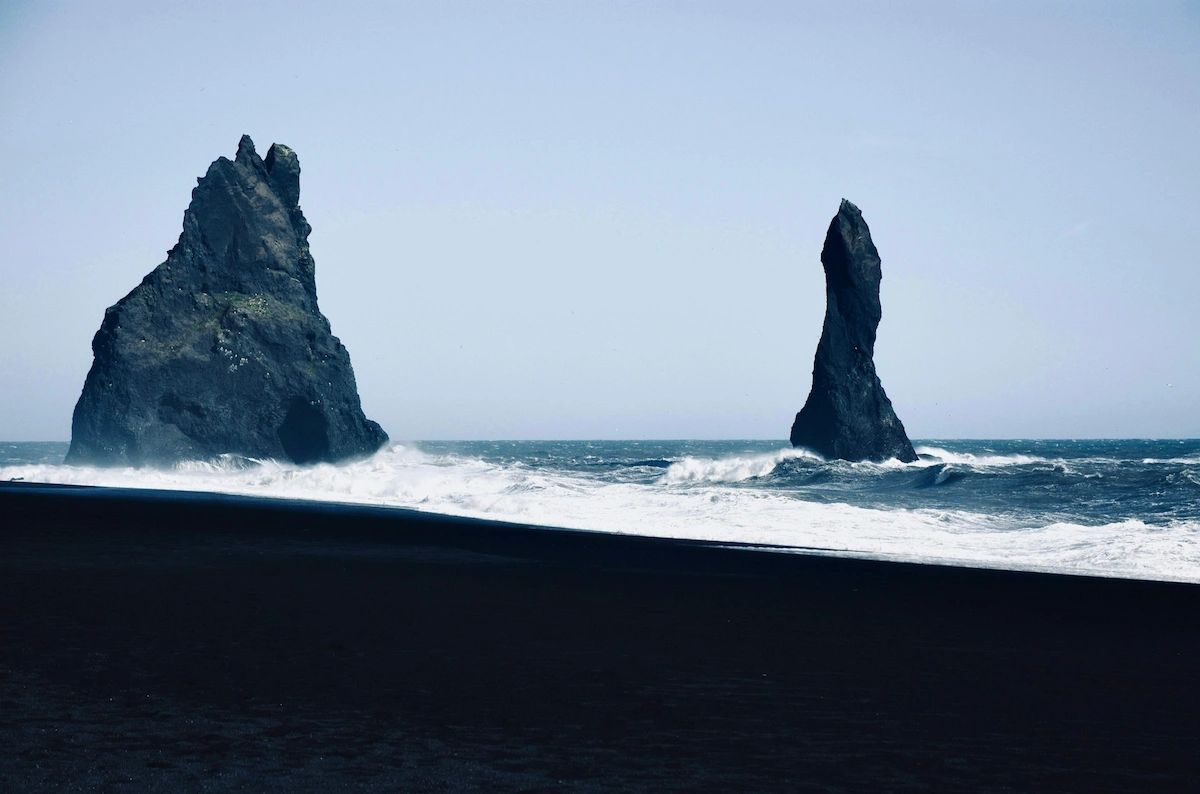
FAQ: Reynisfjara Beach Closure
Is Reynisfjara completely closed in 2026?
No. Access depends on safety zones, weather, and surf conditions.
Why can I not walk close to the basalt columns anymore?
Due to erosion, stronger waves, and safety concerns, access is restricted more often than in previous years.
What is the biggest danger at Reynisfjara?
Sneaker waves that surge unexpectedly far up the beach.
Explore the South Coast With Confidence
North Star Rental offers campervans designed for Icelandic conditions and local guidance for safer travel.